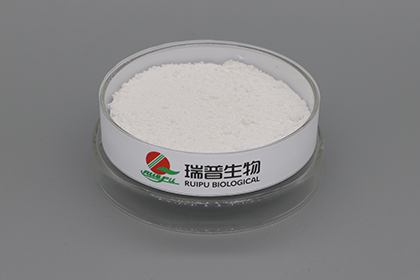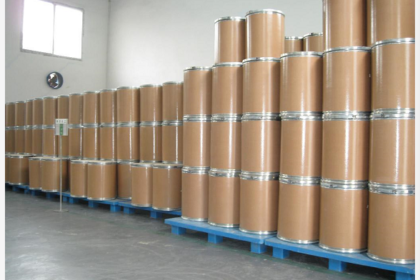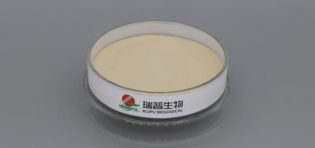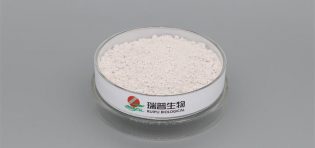
In the rapidly evolving landscape of nutritional fortification, iron remains one of the most critical minerals for global health initiatives and commercial product development. For manufacturers formulating with various nutrient raw materials, selecting the right iron source is a foundational decision that impacts both product efficacy and consumer acceptance. Ferric Sodium Edetate has emerged as a highly preferred option across the industry due to its excellent bioavailability and relatively low interference with the sensory profile of food and drinks. When product developers integrate this compound into their daily operations, they often appreciate its stability in complex matrices compared to traditional iron salts. However, as the demand for sophisticated functional foods grows, simply adding this ingredient to a mixing vat is no longer sufficient to ensure a successful commercial launch. Understanding the nuanced behavior of this specific iron chelate is essential for any modern food scientist or production manager aiming to create superior fortified products.
Despite its widespread popularity, formulators who handle this ingredient on a daily basis frequently encounter hidden technical hurdles that can compromise the final product. One of the most common issues arises when blending Ferric Sodium Edetate with other sensitive functional ingredients, particularly in liquid systems where pH fluctuations can destabilize the chelate complex. For instance, in the development of fortified clear beverages, a slight drop in pH or the presence of competing polyvalent cations can lead to unexpected cloudiness or even precipitation, severely impacting the visual appeal of the drink. Furthermore, when working with complex health supplement raw materials, interactions with high doses of calcium or certain plant-based polyphenols might inadvertently reduce the intended nutritional profile or alter the dissolution rate. Another frequent challenge involves the subtle metallic off-taste that can sometimes emerge in low-pH beverage ingredients if the concentration exceeds the optimal threshold or if the masking agents are not properly balanced. These formulation roadblocks often lead to costly reformulation cycles, delayed time-to-market, and inconsistent batch quality if the underlying chemical interactions are not thoroughly understood and managed by the production team.
To effectively navigate these formulation challenges, manufacturers must adopt a more strategic and scientifically grounded approach when developing their application solutions. First and foremost, controlling the pH environment is highly critical when working with this iron source in liquid formats. Formulators should utilize appropriate food-grade buffering systems to maintain the pH carefully within the optimal stability range, typically between 3.5 and 5.5 for most beverage applications, which prevents the dissociation of the iron complex. Secondly, the sequence of ingredient addition during the manufacturing process plays a massive role in preventing unwanted chemical interactions. It is highly recommended to pre-disperse the iron compound in a small portion of deionized water or a neutral liquid base before introducing it to the main mixing tank containing calcium-rich or polyphenol-heavy components. Additionally, incorporating natural flavor-masking technologies, such as specific citrus extracts or vanilla-based oleoresins, can effectively neutralize any residual metallic notes without compromising the clean-label status of the product. By implementing these targeted technical adjustments, production teams can ensure that the iron remains highly bioavailable and organoleptically invisible to the end consumer.
| Iron Source | Bioavailability | Sensory Impact | Optimal pH Range | Best Application |
|---|---|---|---|---|
| Ferric Sodium EDTA | High | Low | 3.5 - 5.5 | Clear Beverages |
| Ferrous Sulfate | High | High | 4.0 - 6.0 | Cereals and Bars |
| Ferrous Fumarate | Moderate | Moderate | 5.0 - 7.0 | Tablets and Powders |
| Ferrous Gluconate | Moderate | Low | 4.5 - 6.5 | Liquid Supplements |
| Carbonyl Iron | Low | Very Low | N/A | Solid Foods |
Implementing these refined technical strategies delivers immense tangible value to both the manufacturer and the end consumer. For brands focusing on premium beverage ingredients, achieving a crystal-clear, stable, and great-tasting iron-fortified drink opens up lucrative market segments that were previously inaccessible due to the sensory limitations of older iron salts. In the realm of dietary supplements, ensuring the chemical stability of the iron chelate alongside other active health supplement raw materials helps ensure that the product delivers consistent nutritional value throughout its expected shelf life. This reliability not only reduces the risk of costly product recalls or consumer complaints but also significantly strengthens brand trust and loyalty. Ultimately, mastering the application of this advanced nutrient allows companies to differentiate their portfolios, meet stringent regulatory standards for fortification, and provide consumers with highly effective, enjoyable, and convenient ways to support their daily nutritional needs.
In conclusion, while Ferric Sodium Edetate offers remarkable advantages for nutritional fortification, its successful integration requires careful attention to detail and a deep understanding of food chemistry. Manufacturers who pay close attention to pH management, ingredient sequencing, and sensory masking will consistently outperform those who treat it as a simple drop-in additive. As the global market continues to demand more sophisticated and highly bioavailable functional foods, staying ahead of these technical nuances will be the key to long-term success. By continuously refining their formulation practices, industry professionals can effectively unlock the potential of this exceptional nutrient and drive the next wave of innovation in fortified foods and beverages.
Frequently Asked Questions (FAQ)
Why is Ferric Sodium Edetate preferred over other iron sources in beverage formulations?
Formulators love it because it does not cause the usual metallic off-taste that ruins the flavor profile of clear drinks and functional beverages.
It also remains highly stable across a wide pH range, typically between 3.5 and 5.5, which prevents unwanted precipitation and keeps your liquid products looking crystal clear.
How should I mix Ferric Sodium Edetate with calcium-rich supplement raw materials?
You should never dump the iron compound directly into a vat that already contains high concentrations of calcium or competing polyvalent cations.
The best practice is to pre-disperse the iron in a small batch of deionized water first, and then slowly introduce it to the main mixture to avoid any chemical clashes that could reduce bioavailability.
What are the main stability challenges when using this nutrient raw material daily?
The biggest hurdle usually involves sudden pH fluctuations in your liquid matrix, which can break down the chelate complex and cause unexpected cloudiness in the final product.
To prevent this issue, you need to implement reliable food-grade buffering systems that keep the chemical environment stable throughout the entire shelf life of your fortified food or drink.