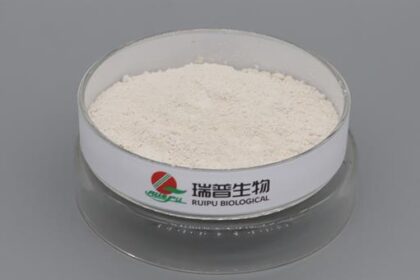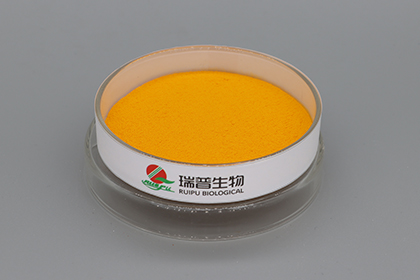
The global market for functional beverages and dietary supplements is experiencing a significant surge in demand for daily wellness and nutritional support products. As a result, zinc has become a highly sought-after mineral in modern product development. Among the various forms available, Zinc Gluconate is frequently selected by formulators because of its favorable nutritional profile and general tolerability. However, integrating this specific mineral into complex liquid matrices is far from straightforward. When our research and development team set out to create a new line of clear, functional drinks and liquid shots, we quickly realized that working with this ingredient required a much deeper technical understanding than initially anticipated.
Over the course of two intensive months, our lab went through six completely different prototype formulas, and frankly, we ruined each of them before finding the right path. The first two attempts were clear beverage prototypes where the zinc caused immediate and severe precipitation, turning a visually appealing drink into a cloudy, unappetizing mess within forty-eight hours. The next two formulas were liquid supplement shots designed for daily wellness routines. While they remained physically stable, the sensory profile was a disaster; the metallic aftertaste was so overpowering that it heavily masked the carefully crafted fruit flavors. The final two failed attempts involved combining the zinc with other functional ingredients, specifically vitamin C and certain botanical extracts. This combination triggered an unexpected oxidation reaction, resulting in a drastic color shift from a vibrant orange to a dull, unappealing brown. These failures highlighted the harsh reality that simply adding high-quality supplement raw materials to a base liquid does not guarantee a successful commercial product.
To overcome these formulation hurdles, we had to fundamentally rethink our approach to ingredient interactions and matrix chemistry. For the precipitation issue in clear beverages, we discovered that strictly controlling the pH level between 3.5 and 4.0, combined with the introduction of a specific low-ester pectin system, effectively kept the zinc ions suspended without altering the drink's clarity. To tackle the metallic aftertaste in our liquid shots, we moved away from traditional high-intensity sweeteners and instead utilized a specialized citrus-based flavor masking technology that binds to the metallic receptors on the palate, effectively neutralizing the harsh notes. Finally, to prevent the oxidation and color degradation when blending with sensitive compounds, we implemented a microencapsulation technique for the zinc and adjusted the blending sequence, ensuring that the mineral was introduced only after the antioxidant network of the beverage was fully established. These targeted application solutions transformed our failed prototypes into robust, market-ready formulations.
| Formula Attempt | Product Type | Primary Issue | Technical Solution |
|---|---|---|---|
| Formula 1 | Clear Beverage | Severe Precipitation | pH control (3.5-4.0) and low-ester pectin |
| Formula 2 | Clear Beverage | Cloudy Appearance | Optimized acid blend and stabilizing agents |
| Formula 3 | Liquid Shot | Metallic Aftertaste | Citrus-based flavor masking technology |
| Formula 4 | Liquid Shot | Poor Sensory Profile | Adjusted sweetener and masking extract ratio |
| Formula 5 | Multi-Ingredient Blend | Oxidation and Color Shift | Microencapsulation of Zinc Gluconate |
| Formula 6 | Multi-Ingredient Blend | Vitamin C Degradation | Modified blending sequence and antioxidant network |
The insights gained from this rigorous two-month testing phase offer immense practical value for our B2B partners in the food, beverage, and supplement sectors. By understanding the precise behavioral characteristics of these nutrient raw materials, manufacturers can significantly reduce their own research and development timelines and avoid costly scale-up failures. When formulators utilize our optimized beverage ingredients and technical guidelines, they can achieve a final product that boasts reliable physical stability, a clean and enjoyable sensory profile, and a visually appealing appearance. This level of quality control ensures that the end consumer receives a premium product that meets their wellness expectations without compromising on taste or convenience, ultimately driving brand loyalty and repeat purchases.
Formulating with complex minerals is a challenging endeavor that demands patience, scientific rigor, and a willingness to learn from failure. Our journey of ruining six Zinc Gluconate formulas ultimately equipped us with the precise technical knowledge required to deliver high-quality functional ingredients to the market. As a dedicated manufacturer, we do not just supply raw powders; we provide comprehensive, science-backed application solutions that empower our clients to innovate confidently. We remain committed to advancing formulation technologies and supporting the industry in creating the next generation of effective, great-tasting nutritional products.
Frequently Asked Questions
Why is Zinc Gluconate so difficult to use in liquid beverages?
It really comes down to how the mineral interacts with water and other ingredients at a molecular level. When you drop Zinc Gluconate into a complex liquid matrix, the zinc ions love to bind with proteins or certain acids, which quickly leads to cloudy precipitation or a really harsh metallic aftertaste that ruins the flavor profile.
We found that simply adjusting the sweetness or adding more flavoring does not fix the underlying chemical instability. You actually have to control the pH levels precisely and use specific stabilizing agents to keep the mineral completely dissolved and sensory-neutral over the entire shelf life of the product.
How did you manage to get rid of that terrible metallic aftertaste in your liquid shots?
Masking metallic notes is one of the biggest headaches in supplement formulation, and traditional high-intensity sweeteners usually just make the drink taste weirdly bitter. Instead of fighting the zinc directly, we switched to a specialized citrus-based flavor masking technology that actually targets the metallic receptors on the human palate.
This approach tricks your tastebuds so you only experience the bright fruit notes we designed for the beverage. It took a lot of trial and error to get the exact ratio right, but once we dialed in the citrus extract, the harsh mineral taste completely disappeared without needing to overload the drink with extra sugar.
What causes the color shifting and oxidation when mixing zinc with vitamin C?
That brownish color shift happens because free zinc ions can act as a pro-oxidant when they are floating around in the same liquid environment as sensitive antioxidants like ascorbic acid. The two ingredients basically start a chain reaction that degrades the vitamin and turns your beautifully vibrant drink into a dull, unappetizing brown mess within just a few days.
To stop this from happening, we had to completely change our blending sequence and introduce a microencapsulation technique for the zinc. By coating the mineral and adding it only after the antioxidant network was fully established in the liquid, we successfully protected both the color and the nutritional integrity of the final formula.
Can I just use these same stabilization tricks for my own clear functional drinks?
While the core principles of pH control and specialized pectin systems are definitely a great starting point, every single beverage matrix has its own unique chemical fingerprint. What worked perfectly for our clear fruit-based prototypes might cause unexpected gelling or separation if your drink relies on a completely different acid blend or protein base.
We highly recommend running small-scale stability tests at varying temperatures before you commit to a massive production run. Partnering with an experienced ingredient supplier who understands these specific nutrient raw materials can save you from wasting months of research and development on formulas that ultimately fail on the shelf.