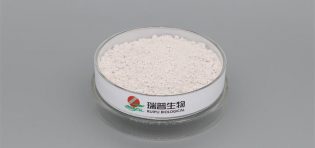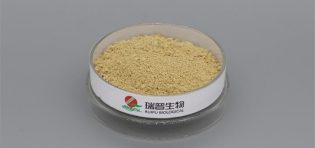
This exact assumption led to a highly frustrating two-month period in our pilot lab, where we systematically ruined six consecutive batches of a zinc-fortified functional drink. The core issue was not the quality of the zinc itself, but rather its unpredictable behavior when combined with other complex beverage ingredients. In the first two batches, we experienced severe precipitation within forty-eight hours of bottling, resulting in an unappealing gritty texture and a visible white layer at the bottom of the containers. Batches three and four suffered from drastic pH shifts over time, which not only degraded the added water-soluble vitamins but also introduced a harsh, metallic off-taste that completely compromised the intended flavor profile. The final two failed attempts involved unwanted interactions with specific functional ingredients, particularly certain plant-based proteins and organic fruit acids, which caused the liquid to separate into distinct, unstable layers. These repeated failures highlighted a critical gap in our understanding of mineral chemistry in aqueous environments and the necessity for stricter process controls.
To resolve these formulation nightmares, we had to completely overhaul our approach and develop a more rigorous methodology for handling sensitive supplement raw materials. First, we addressed the precipitation issue by implementing a precise pH buffering system using a combination of citric acid and sodium citrate. We discovered through extensive titration testing that maintaining the liquid matrix at a strictly controlled pH of around 4.5 to 5.0 kept the zinc fully soluble without compromising the stability of the other active components. Second, we completely changed our ingredient addition sequence and thermal protocols. Instead of adding all the dry powders into the mixing tank at once, we pre-hydrated the Zinc Lactate in a small portion of warm, deionized water at exactly forty degrees Celsius before slowly introducing it to the main vat under high-shear agitation. Finally, to prevent the protein separation we saw in the later batches, we introduced a specialized pectin-based hydrocolloid stabilizer that effectively shielded the zinc ions from interacting with the negatively charged amino acids in the plant proteins, ensuring a homogenous suspension.
Implementing these targeted application solutions transformed our failed prototypes into a highly stable, commercially viable product ready for large-scale manufacturing. For B2B clients in the beverage and food sectors, this refined process translates to significantly reduced production risks, fewer line stoppages, and a much longer shelf life for the final goods. When formulating with sensitive functional ingredients, having a proven, step-by-step integration protocol ensures that the nutritional profile remains intact and visually appealing from the manufacturing floor to the retail shelf. For instance, when one of our beverage partners scaled this exact formula to a ten-thousand-liter production run, the modified addition sequence and buffering system prevented the localized high-concentration zones that typically cause micro-precipitation in large vats. Furthermore, eliminating the metallic aftertaste and preventing visual separation greatly enhances the sensory experience, which is a crucial factor for consumer retention and repeat purchases in the highly competitive nutritional market.
| Batch Number | Timeframe | Primary Issue | Observed Symptoms | Root Cause |
|---|---|---|---|---|
| Batches 1-2 | Weeks 1-2 | Severe Precipitation | Gritty texture, white layer | Incompatible mixing sequence |
| Batches 3-4 | Weeks 3-5 | Drastic pH Shifts | Vitamin degradation, metallic taste | Lack of pH buffering system |
| Batches 5-6 | Weeks 6-8 | Liquid Separation | Distinct unstable layers | Interaction with plant proteins |
The journey of ruining six batches of Zinc Lactate was an expensive and time-consuming lesson, but it ultimately provided invaluable insights into the complexities of modern mineral fortification. It reinforced the reality that working with high-quality nutritional raw materials requires more than just selecting the right spec sheet; it demands a deep understanding of chemical interactions, precise process engineering, and rigorous pilot testing. By sharing these practical application solutions and detailed formulation adjustments, we hope to help other manufacturers avoid these common, costly pitfalls. Ultimately, mastering the technical nuances of beverage ingredients and supplement formulations is what empowers brands to deliver consistent, high-quality products that meet both rigorous manufacturing standards and evolving consumer expectations.
Frequently Asked Questions
Why did the Zinc Lactate batches fail if the raw material quality was good?
The failures were not caused by the quality of the zinc itself, but rather by its unpredictable chemical behavior when mixed with other complex beverage ingredients.

When introduced to the liquid matrix without proper buffering or sequencing, the zinc ions reacted negatively and led to severe precipitation within just forty-eight hours of bottling.
What specific visual and textural issues appeared in the ruined batches?
The first couple of batches developed a very noticeable white layer at the bottom of the containers shortly after bottling, which completely ruined the smooth mouthfeel expected from a functional drink.
In addition to the gritty texture, the liquid suffered from drastic pH shifts over time that degraded the added vitamins and introduced a harsh metallic off-taste.
How can manufacturers prevent Zinc Lactate from precipitating in liquid formulations?
The most effective strategy is to implement a precise pH buffering system using a combination of citric acid and sodium citrate to keep the liquid matrix strictly controlled at a pH between 4.5 and 5.0.
It is also crucial to change the ingredient addition sequence by pre-hydrating the zinc in warm deionized water before adding it to the main mixing tank to prevent localized high-concentration zones.