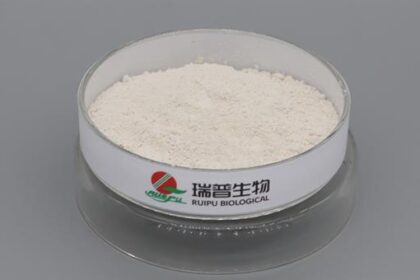
The demand for iron-fortified products is rising rapidly across the functional food and beverage sector, driven by growing consumer awareness of daily nutritional gaps. As formulators, we frequently turn to Ammonia Ferric Citrate because it offers excellent water solubility and high bioavailability compared to other traditional iron salts. When our R&D team set out to develop a new line of clear, fruit-flavored functional drinks, we selected this specific iron source as our primary functional ingredient to meet our nutritional targets. We initially assumed that its high solubility would make the formulation process relatively straightforward and trouble-free. However, working with complex nutrient raw materials often involves unexpected chemical interactions that only reveal themselves during rigorous scale-up and stability testing phases.
Over the course of two grueling months, I personally oversaw the failure of six distinct pilot batches, each presenting a unique formulation nightmare. The issues were multifaceted and deeply frustrating for our entire development team. In the first two batches, we encountered severe metallic off-notes that completely overpowered the delicate fruit profile, making the drink entirely unpalatable. Batches three and four suffered from rapid color degradation, turning from a vibrant citrus yellow to an unappetizing murky brown within just forty-eight hours due to the oxidation of natural polyphenols. The final two failed attempts involved unexpected precipitation and cloudiness when the beverage was subjected to mild heat during standard pasteurization processes. These consecutive failures highlighted a critical challenge when using Ammonia Ferric Citrate in liquid systems: free iron ions are highly reactive and can easily catalyze the degradation of sensitive vitamins and flavor compounds, leading to severe sensory and visual defects.
To resolve these persistent issues, we had to completely rethink our formulation strategy and develop much more robust application solutions tailored to this specific mineral. First, we addressed the metallic taste and oxidation by introducing a carefully calibrated blend of natural chelating agents and specific masking flavors. By utilizing natural citrus extracts and vanilla notes to bind and mask the free iron ions, we prevented them from interacting with the flavor aldehydes, thereby preserving a clean taste profile without compromising the bioavailability of the supplement raw materials. Second, we strictly controlled the pH of the beverage matrix, keeping it slightly acidic but heavily buffered with citrate salts to prevent the iron from hydrolyzing and precipitating out of the solution during thermal processing. Finally, we completely overhauled our manufacturing sequence. Instead of adding the iron salt at the beginning of the mixing process, we introduced it at the very end, right before bottling, to minimize its exposure to oxygen, light, and heat.
| Batch Phase | Primary Issue | Root Cause | Applied Solution |
|---|---|---|---|
| Batches 1-2 | Metallic Off-taste | Free iron ions reacting with flavor aldehydes | Natural chelating agents and masking flavors |
| Batches 3-4 | Color Degradation | Oxidation of natural polyphenols by iron | Strict pH control and citrate salt buffering |
| Batches 5-6 | Precipitation | Iron hydrolysis during thermal pasteurization | Adjusted buffering and optimized heating profile |
| Final Prototype | Oxygen Sensitivity | Prolonged exposure to oxygen and light | Late-stage addition right before bottling |
This rigorous trial-and-error process ultimately yielded a highly stable, great-tasting beverage prototype that successfully passed all accelerated shelf-life tests. For B2B clients looking to integrate iron into their product lines, these hard-learned lessons are incredibly valuable. Whether you are developing liquid beverage ingredients or dry powder supplement raw materials, understanding the highly reactive nature of iron is absolutely crucial for long-term product stability. By implementing proper pH buffering, strategic chelation, and optimized processing sequences, manufacturers can successfully incorporate Ammonia Ferric Citrate without sacrificing product quality or consumer appeal. This comprehensive approach ensures that the final product consistently delivers the intended nutritional profile while maintaining the premium sensory attributes that modern consumers expect from high-end functional foods.
Formulating with reactive minerals is rarely as simple as reading a supplier spec sheet and mixing powders in a vat. My two-month struggle and six ruined batches serve as a clear testament to the intricate food science required to stabilize functional ingredients in complex, multi-component food matrices. Partnering with an experienced supplier who deeply understands these formulation hurdles can significantly reduce your R&D timeline and prevent costly manufacturing errors. By leveraging proven technical knowledge and tailored application solutions, brands can confidently bring iron-fortified innovations to market, ensuring both nutritional integrity and exceptional consumer acceptance in a highly competitive landscape.
Frequently Asked Questions (FAQ)
Why did your R&D team choose Ammonia Ferric Citrate for the new fruit-flavored drinks?
We picked it mainly because it dissolves incredibly well in water and offers much higher bioavailability than older, traditional iron salts. When you are trying to make a clear, fruit-flavored functional beverage, you really need an ingredient that will not just sink to the bottom of the bottle or leave a gritty texture.

It also tends to be a bit gentler on the stomach compared to some harsher alternatives, which is a huge plus for daily nutritional supplements. Even though it gave us a massive headache during the initial formulation stages, its superior absorption rate makes it totally worth the extra R&D effort in the long run.
What exactly went wrong during those two months of ruined batches?
The biggest nightmare was definitely the metallic off-taste that completely destroyed our delicate fruit flavor profiles in the first couple of attempts. Free iron ions are highly reactive, and they basically catalyzed the degradation of our natural flavor compounds, leaving the drink tasting like liquid pennies.
We also ran into severe visual defects, like the vibrant citrus color turning into a murky brown within 48 to 72 hours due to polyphenol oxidation. On top of that, the final batches suffered from unexpected precipitation when we tried to pasteurize the liquid, which completely ruined the clarity we were aiming for.
How did you finally manage to fix the terrible metallic taste and color degradation?
We had to bring in a carefully calibrated blend of natural chelating agents and specific masking flavors to lock down those reactive free iron ions. By using natural citrus extracts and subtle vanilla notes, we successfully prevented the iron from interacting with our flavor aldehydes without sacrificing the actual bioavailability of the mineral.
To stop the color from turning brown, we strictly controlled the pH of the entire beverage matrix and kept it heavily buffered with citrate salts. This crucial step prevented the iron from hydrolyzing and oxidizing the sensitive plant compounds, keeping the drink looking bright and fresh throughout its entire shelf life.
What is your biggest piece of advice for other beverage formulators working with this ingredient?
My biggest takeaway is to completely rethink your manufacturing sequence and never add the iron salt at the very beginning of the mixing process. We found that introducing it at the absolute last step right before bottling drastically minimizes its exposure to oxygen, light, and heat, which are the main culprits behind degradation.
You should also partner closely with an experienced raw material supplier who actually understands these complex liquid formulation hurdles. Having access to proven technical knowledge and tailored application solutions will save your team months of frustrating trial and error and prevent incredibly costly pilot batch failures.