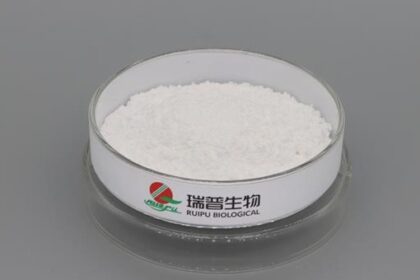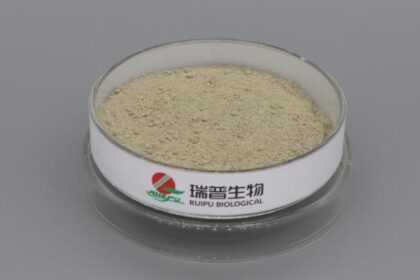
The functional beverage and dietary supplement markets are continuously evolving, with consumers increasingly seeking products that support daily wellness. Zinc is a highly sought-after mineral in this space, and Zinc Lactate has emerged as a preferred choice among health supplement raw materials due to its excellent compatibility and relatively mild sensory impact. As a manufacturer specializing in nutrient raw materials, our R&D team frequently tests new formulations to support our B2B partners. However, working with this specific mineral is not always straightforward. Recently, our lead formulator took on the challenge of developing a high-dose, clear functional water prototype, a project that ultimately took two months and resulted in six ruined batches before we achieved the perfect formula.
The core issue we faced during those initial two months revolved around the delicate balance of solubility, stability, and taste. In our first three batches, the Zinc Lactate caused unexpected cloudiness and slight precipitation when the beverage was subjected to accelerated shelf-life testing. This happened because zinc ions can interact with other beverage ingredients, particularly certain preservatives and trace minerals, forming insoluble complexes when the pH fluctuates. For instance, in batch three, the interaction between zinc and the pectin used as a texturizing agent created a micro-gel network that completely ruined the mouthfeel. Batches four and five solved the clarity issue but introduced a new problem: a distinct, unpleasant metallic aftertaste that lingered on the palate. Even though Zinc Lactate is known for being milder than zinc sulfate, at the concentrations required for an impactful functional beverage, the metallic notes became overpowering. The sixth batch failed due to thermal degradation during the pasteurization process, which altered the color of the final liquid. These consecutive failures highlighted the complex chemistry involved when integrating functional ingredients into liquid systems.
To overcome these hurdles, we had to completely rethink our approach and develop a more robust methodology. First, to address the precipitation, we adjusted the pH of the beverage matrix to a slightly more acidic level, specifically between 3.5 and 4.0, and introduced a carefully calibrated food-grade chelating agent. This prevented the zinc ions from binding with conflicting compounds, ensuring the liquid remained crystal clear even after months of storage. Next, to tackle the metallic aftertaste, we experimented with various natural flavor masking agents. We conducted rigorous sensory panel testing to blind-taste the variations, ultimately finding that a specific blend of citrus extracts and a touch of stevia effectively coated the palate and neutralized the metallic sensation without altering the intended flavor profile. Finally, to resolve the thermal stability issue, we changed the manufacturing sequence. Instead of adding the mineral before pasteurization, we introduced it during the cooling phase using a sterile dosing system. This application solution preserved the integrity of the ingredient and maintained the visual appeal of the beverage.
| Batch Number | Primary Issue | Root Cause | Solution Applied | Outcome |
|---|---|---|---|---|
| Batch 1 | Cloudiness | pH fluctuation | Adjusted pH to 3.8 | Failed |
| Batch 2 | Precipitation | Trace mineral clash | Added chelating agent | Failed |
| Batch 3 | Micro-gel network | Pectin interaction | Removed texturizer | Failed |
| Batch 4 | Metallic aftertaste | High zinc dose | Added citrus extracts | Failed |
| Batch 5 | Lingering bitterness | Incomplete masking | Introduced stevia blend | Failed |
| Batch 6 | Thermal degradation | Pre-pasteurization dosing | Dosed during cooling | Success |
The insights gained from these six failed batches have been translated into comprehensive application solutions that directly benefit our clients in the beverage and food sectors. When beverage manufacturers use our optimized guidelines, they can significantly reduce their own trial-and-error phases, saving both time and raw material costs. For producers of liquid supplements, understanding the precise pH and temperature requirements ensures that their final products maintain consistent quality, clarity, and taste throughout their shelf life. This level of technical support is particularly crucial for brands looking to scale up from small pilot runs to full commercial production, where minor formulation flaws can lead to massive financial losses. By providing these deeply tested protocols alongside our high-quality beverage ingredients, we empower our partners to launch superior products that meet consumer expectations for both nutritional goals and sensory enjoyment.
Formulating with minerals requires patience, precision, and a deep understanding of ingredient interactions. While ruining six batches of Zinc Lactate over two months was a frustrating experience, it ultimately allowed us to map out the exact parameters needed for successful liquid fortification. As a dedicated supplier of health supplement raw materials and functional ingredients, we believe that sharing these practical, hard-earned lessons is just as important as supplying the physical products. We remain committed to helping our B2B clients navigate the complexities of product development, ensuring that every new formulation is stable, delicious, and ready for the market.
Frequently Asked Questions
Why did your first few Zinc Lactate batches fail during formulation?
The main culprit was actually the delicate balance between solubility and the pH level of our beverage matrix. When we first started testing, the zinc ions interacted with other trace minerals and preservatives, which caused unexpected cloudiness and even some precipitation during accelerated shelf-life testing.

We also ran into a pretty stubborn metallic aftertaste in batches four and five, even though Zinc Lactate is generally milder than other zinc salts. It took a lot of trial and error with natural flavor masking agents and precise pH adjustments between 3.5 and 4.0 to finally get a crystal clear and great-tasting liquid.
How does Zinc Lactate compare to other zinc sources when making functional beverages?
Zinc Lactate is often a much better choice for liquid applications because it has a significantly milder sensory impact compared to harsher alternatives like zinc sulfate. This means it is much easier to mask in fruit-flavored or clear functional waters without leaving a strong and unpleasant metallic bite on the palate.
It also offers excellent compatibility with a wide range of beverage ingredients, which is crucial when you are trying to build a complex nutritional profile. However, as we learned the hard way, you still need to carefully manage the thermal processing and chelation to prevent any degradation or visual changes in the final drink.
What practical advice do you have for B2B partners looking to scale up their zinc beverage production?
The biggest piece of advice is to pay extremely close attention to your manufacturing sequence, especially regarding when you introduce the mineral into the mix. We found that adding the Zinc Lactate during the cooling phase rather than before pasteurization completely solved our thermal degradation and color alteration issues.
You should also invest time in rigorous sensory panel testing early in the pilot stage to dial in your flavor masking strategy. Scaling up from a small lab batch to full commercial production can easily amplify minor formulation flaws, so locking in your pH parameters and chelating agents early will save you a massive amount of time and raw material costs.
Is it actually possible to use Zinc Lactate in clear functional waters without ruining the appearance?
It is absolutely possible, but it requires a very precise approach to your liquid matrix to ensure the mineral stays completely dissolved. In our early attempts, the zinc formed insoluble complexes that created a micro-gel network, which completely destroyed the clarity and mouthfeel of the clear water prototype.
By introducing a carefully calibrated food-grade chelating agent and strictly maintaining the pH between 3.5 and 4.0, we were able to prevent those negative interactions. This specific application solution ensures that your high-dose functional water remains perfectly clear and visually appealing to consumers throughout its entire shelf life.