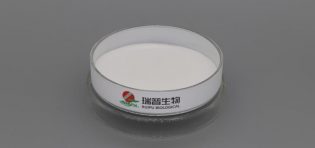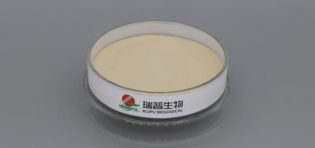
The functional food and beverage sector is experiencing a significant shift toward proactive health management, driving a surge in demand for effective fortification. Among the essential minerals, iron remains a critical focus for product developers. When sourcing nutrient raw materials, formulators frequently turn to Ferric Pyrophosphate due to its exceptional stability and high relative bioavailability. Unlike more reactive iron salts, this compound does not catalyze lipid oxidation, making it an ideal candidate for preserving the shelf life and sensory integrity of complex formulations. However, while its chemical stability is well-documented, many manufacturers struggle to fully leverage its potential in liquid formats, missing out on a crucial formulation advantage.
The primary hurdle when incorporating Ferric Pyrophosphate into beverage ingredients is its profound insolubility in water. In liquid applications, this physical characteristic inevitably leads to rapid sedimentation. When formulators attempt to fortify clear juices, plant-based milks, or liquid dietary supplements, the iron particles quickly sink to the bottom of the container. This not only creates an unappealing visual defect but also results in an inconsistent dosage for the end consumer and a gritty, unpleasant mouthfeel. Many research and development teams abandon this highly stable iron source in favor of water-soluble alternatives like ferrous sulfate, only to face new issues such as metallic off-tastes, vitamin degradation, and undesirable color changes in the final product.
The industry secret, or the trick that separates average formulations from premium ones, lies in a dual-action approach combining advanced micronization with a targeted hydrocolloid suspension matrix. First, the Ferric Pyrophosphate must be milled to a sub-micron particle size, typically below two micrometers. This drastic reduction in particle size significantly decreases the settling velocity according to the principles of fluid dynamics. However, micronization alone is insufficient for long-term shelf stability. The true application solution involves hydrating a specific blend of microcrystalline cellulose and xanthan gum to create a weak, thixotropic gel network within the liquid. This network is strong enough to suspend the dense, micronized iron particles indefinitely when the bottle is at rest, yet it instantly breaks down under the shear force of shaking or pouring, ensuring a smooth pour and a completely grit-free sensory experience.
| Iron Source | Relative Bioavailability | Oxidation Risk | Sensory Impact | Ideal Application |
|---|---|---|---|---|
| Ferric Pyrophosphate | High | Very Low | Neutral flavor, no color shift | Clear beverages, dairy alternatives |
| Ferrous Sulfate | High | High | Strong metallic aftertaste | Dark juices, dry powder blends |
| Ferrous Gluconate | Moderate | Moderate | Mild metallic notes | Syrups, fortified nectars |
| Ferrous Fumarate | High | Low | Slight chalky texture | Chewable tablets, gummies |
| Ferric Orthophosphate | Low | Very Low | Gritty mouthfeel | Breakfast cereals, baked goods |
| Electrolytic Iron | Low | Very Low | Insoluble, sandy texture | Flour, dry meal replacements |
Mastering this technique unlocks tremendous value for brands developing functional ingredients and supplement raw materials. By successfully suspending Ferric Pyrophosphate, manufacturers can produce iron-fortified beverages that maintain a pristine, light color and a completely neutral flavor profile. For instance, a sports nutrition brand recently utilized this exact suspension matrix to launch a clear, lemon-flavored hydration drink fortified with iron, achieving a transparent appearance without any metallic aftertaste. This approach allows business-to-business clients to confidently expand their product portfolios into clear liquids, gummies, and sensitive dairy alternatives, where traditional iron sources would cause catastrophic sensory failures. It provides a clean-label, highly marketable product that meets consumer expectations for both efficacy and taste without compromising the manufacturing process.
Navigating the complexities of mineral fortification requires more than just selecting the right compound; it demands a deep understanding of physical chemistry and formulation science. By moving beyond basic blending and adopting this advanced micronization and suspension strategy, product developers can overcome the historical limitations of insoluble minerals. As the market for specialized dietary products continues to grow, leveraging these sophisticated techniques will be essential for brands aiming to deliver superior, stable, and highly palatable nutritional products. Ultimately, understanding the nuanced behavior of these raw materials empowers manufacturers to innovate freely, creating next-generation beverages and supplements that stand out in a highly competitive global marketplace.
Frequently Asked Questions
Why do formulators prefer Ferric Pyrophosphate over other iron sources?
Formulators love this specific iron source because it offers exceptional stability without causing the usual formulation headaches. Unlike highly reactive iron salts, it does not catalyze lipid oxidation, which means your product will not develop a rancid smell or lose its nutritional value over time.

This chemical stability makes it incredibly useful for sensitive applications like plant-based milks and clear beverages. You get the high relative bioavailability your customers need without sacrificing the shelf life or the pristine flavor profile of your final product.
What is the main challenge when using this ingredient in liquid beverages?
The biggest hurdle you will face is its profound insolubility in water, which naturally leads to rapid sedimentation in liquid formats. When you try to mix it into clear juices or functional drinks, the dense particles tend to sink straight to the bottom of the bottle.
This settling creates an unappealing visual defect and results in an inconsistent dosage for the person drinking it. If you do not address this physical characteristic properly, the consumer might end up with a gritty mouthfeel and an uneven distribution of the essential mineral.
What is the secret trick to keeping it perfectly suspended in liquids?
The real game-changer involves a dual-action approach that combines advanced micronization with a targeted hydrocolloid suspension matrix. First, you need to mill the ingredient down to a sub-micron particle size, typically between one and two micrometers, to drastically decrease the settling velocity.
Then, you must hydrate a specific blend of microcrystalline cellulose and xanthan gum to create a weak, thixotropic gel network within the liquid base. This clever network holds the dense particles in place when the bottle sits on a shelf but instantly breaks down under the shear force of shaking, ensuring a perfectly smooth pour every single time.
How does this suspension technique impact the final sensory experience?
Mastering this technique completely transforms the sensory profile of your fortified beverages by eliminating the metallic aftertaste and gritty texture. Because the particles are so small and evenly distributed, they remain completely undetectable on the palate, allowing the natural flavors of your drink to shine through.
It also preserves the visual appeal of the product, allowing you to create light-colored or even transparent functional drinks that look incredibly premium. This means you can confidently expand your product line into sensitive categories like clear sports drinks without worrying about undesirable color changes or flavor degradation.