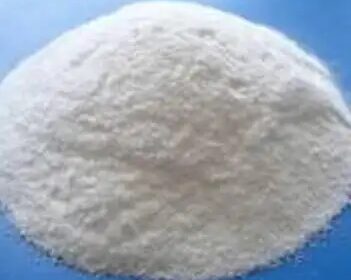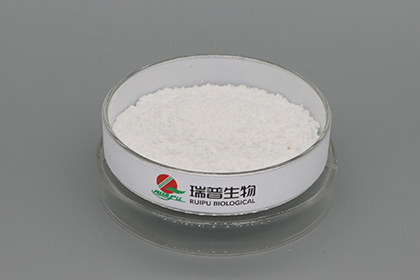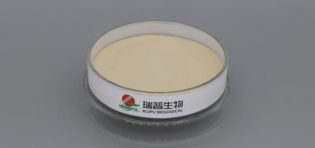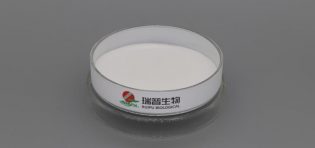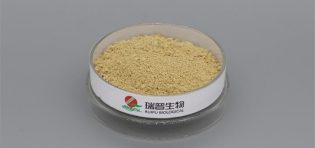
In the rapidly evolving landscape of nutritional manufacturing, the demand for high-quality mineral fortification continues to grow. Zinc is an essential mineral widely sought after by formulators, and Zinc Lactate has emerged as a preferred choice among various nutrient raw materials. Unlike inorganic zinc salts, it offers a gentler profile on the digestive system while maintaining reliable bioavailability. As consumers increasingly seek out fortified beverages and dietary supplements, B2B manufacturers are actively integrating this compound into their product lines to meet market expectations.
However, working with Zinc Lactate is not always straightforward. Formulators often encounter technical hurdles when incorporating it into complex matrices. Common issues include inconsistent solubility in cold liquids, a noticeable metallic aftertaste that can deter consumers, and potential stability degradation when exposed to fluctuating pH levels. These challenges are particularly pronounced when developing clear beverage ingredients or multi-component supplement raw materials, where sensory qualities and physical stability are paramount. Overcoming these formulation barriers requires a strategic approach rather than trial and error.
The first essential tip is to optimize solubility through precise pH management and temperature control. Zinc Lactate dissolves readily in warm water, but its solubility drops significantly in cold or highly acidic environments. When developing a fortified sports drink or a clear nutritional beverage, formulators should pre-dissolve the zinc in a warm aqueous phase before blending it with acidic components like citric acid or fruit juices. By maintaining the pH slightly above 4.0 during the initial mixing stage and gradually adjusting it downward, manufacturers can prevent precipitation. For instance, a beverage company recently improved their clear vitamin water by adopting this step-wise pH adjustment, resulting in a visually appealing product with no cloudy residue at the bottom of the bottle.
The second tip focuses on effectively masking the inherent metallic aftertaste to ensure a pleasant consumer experience. While Zinc Lactate is milder than zinc sulfate, it can still impart a subtle astringency, which is highly detectable in chewable tablets or functional gummies. To counteract this, formulators should utilize natural flavor modifiers and encapsulation techniques. Incorporating citrus flavors, such as lemon or orange, naturally complements and masks mineral notes due to their strong aromatic profiles. Additionally, using microencapsulated Zinc Lactate or blending it with natural sweeteners like stevia and monk fruit extract can significantly blunt the metallic edge. A practical scenario involves a health food brand developing a daily wellness gummy; by pairing the zinc with a robust mixed-berry flavor profile and a touch of malic acid, they successfully eliminated the metallic tang, leading to much higher consumer repeat purchase rates.
| Strategy Area | Key Challenge | Recommended Action | Target Application |
|---|---|---|---|
| Solubility | Precipitation in cold or acidic liquids | Pre-dissolve in warm water and adjust pH gradually | Clear fortified beverages |
| Taste Profile | Metallic or astringent aftertaste | Use citrus flavors and natural sweeteners for masking | Chewable tablets and gummies |
| Stability | Oxidation and nutrient degradation over time | Add mild antioxidants and avoid antagonistic minerals | Liquid multivitamin blends |
The third tip involves safeguarding long-term stability by carefully selecting complementary functional ingredients and avoiding antagonistic interactions. Zinc can interact with certain phytonutrients, high levels of calcium, or specific preservatives, leading to oxidation or nutrient degradation over time. When designing comprehensive application solutions for multivitamin liquids or powder blends, it is crucial to incorporate mild chelating agents or antioxidants, such as ascorbic acid or rosemary extract, to protect the mineral matrix. Furthermore, ensuring that the final product is packaged in UV-protective and moisture-resistant materials will extend its shelf life. For example, a manufacturer of liquid dietary supplements stabilized their zinc-fortified formula by adjusting the calcium-to-zinc ratio and adding a natural vitamin E derivative, which prevented the discoloration and nutrient loss they had previously experienced during warehouse storage.
Implementing these targeted strategies transforms Zinc Lactate from a challenging additive into a highly reliable component in your formulation toolkit. By mastering solubility, taste, and stability, manufacturers can create high-quality beverage ingredients and premium supplement raw materials that stand out on crowded retail shelves. These refined application solutions not only enhance the sensory and physical qualities of the final product but also build brand trust by delivering consistent nutritional value to the end consumer.
Ultimately, succeeding in the competitive health and wellness market requires more than just selecting the right nutrient raw materials; it demands the technical expertise to utilize them effectively. By applying these three practical tips, B2B formulators can confidently navigate the complexities of Zinc Lactate integration. This proactive approach ensures that your functional ingredients deliver both consistent product performance and a satisfying consumer experience, paving the way for sustained industry success.
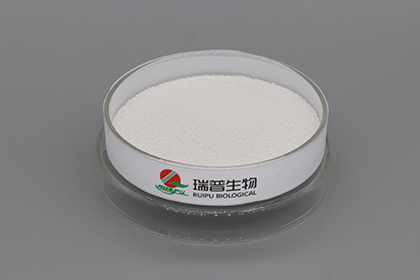
Frequently Asked Questions (FAQ)
Why should formulators choose Zinc Lactate over other zinc sources for their products?
Zinc Lactate is highly favored in the industry because it is much gentler on the digestive system compared to traditional inorganic zinc salts. This means consumers are less likely to experience the stomach discomfort that sometimes comes with standard mineral supplements.
On top of that, it maintains excellent bioavailability, ensuring that the body can effectively absorb and utilize the mineral. This makes it an ideal nutrient raw material for brands looking to create premium, consumer-friendly dietary supplements and fortified foods.
What are the main advantages of using Zinc Lactate in fortified beverage formulations?
When working with beverage ingredients, formulators often struggle with minerals that cause cloudiness or alter the taste of the final drink. Zinc Lactate offers a much smoother integration into liquid matrices, especially when the pH and temperature are carefully managed during the mixing process.
It also has a milder taste profile, which significantly reduces the metallic aftertaste that can ruin a refreshing drink. This allows beverage manufacturers to maintain the crisp, clean flavor profiles that modern consumers expect from their daily functional drinks.
Can B2B manufacturers use Zinc Lactate across different types of dietary supplement formats?
Yes, this versatile functional ingredient works exceptionally well across a wide variety of supplement formats, ranging from 50 to 500 milligram dosages in tablets and capsules. Its physical stability and mild nature make it a reliable choice for both standard daily multivitamins and specialized immune support products.
Manufacturers also frequently use it in chewable tablets and gummies, where taste masking is absolutely critical. Because it lacks the harsh astringency of other zinc compounds, it requires less aggressive flavoring to achieve a great tasting final product.
How can production teams effectively manage the solubility of Zinc Lactate during manufacturing?
The best approach is to pre-dissolve the Zinc Lactate in a warm aqueous phase before introducing any highly acidic ingredients into the mixture. This simple temperature and sequencing adjustment prevents the mineral from precipitating out of the solution later on.
Production teams should also monitor the pH levels closely, keeping the environment slightly above a pH of 4 during the initial blending stages. Taking these proactive steps ensures a perfectly clear and stable liquid product without any unwanted residue at the bottom of the bottle.