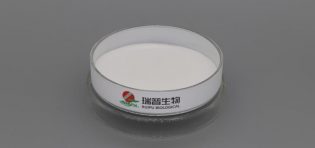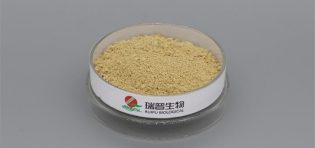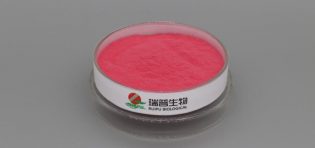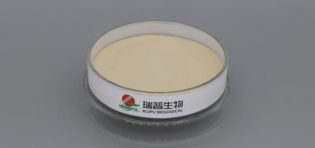
The functional beverage and dietary supplement markets are continuously evolving, with modern consumers increasingly seeking products that support overall wellness and daily vitality. As a result, zinc has become a highly sought-after functional ingredient across the global nutrition industry. Among the various zinc sources available to formulators, Zinc Lactate is frequently chosen due to its favorable bioavailability and general compatibility with human physiology. However, integrating this specific mineral into complex liquid systems is rarely a straightforward process. As a manufacturer specializing in nutrient raw materials, we often see our B2B clients struggle with the practical realities of product development, which inspired this deep dive into the formulation hurdles we recently faced in our own pilot lab.
Over the course of two months, our research and development team attempted to create a clear, fruit-flavored functional beverage using Zinc Lactate, only to fail six consecutive times during pilot trials. The first major issue we encountered was unexpected precipitation. When combined with certain beverage ingredients, particularly those containing high levels of plant-based polyphenols or specific organic acids, the zinc ions reacted and formed visible particulates at the bottom of the bottle after just a few weeks. The second significant hurdle was the sensory profile. Even at moderate dosages, the zinc introduced a distinct metallic and astringent aftertaste that completely overpowered the delicate fruit flavorings we were trying to highlight. These repeated failures highlighted a critical gap between theoretical nutritional benefits and the practical stability required for commercial health supplement raw materials and liquid beverages.
To overcome these formulation roadblocks, we had to fundamentally rethink our approach and develop targeted application solutions based on rigorous food science principles. First, we addressed the precipitation issue by carefully adjusting the pH buffer system of the beverage base. We discovered through accelerated stability testing that maintaining the pH strictly between 3.5 and 4.0, while utilizing a specific ratio of citric acid and sodium citrate, kept the zinc ions stable in suspension without causing cloudiness. Next, we tackled the metallic aftertaste by introducing natural flavor-masking agents, specifically citrus extracts and a touch of stevia, which effectively bound to the taste receptors and neutralized the astringency. Furthermore, we optimized the blending sequence by pre-dissolving the Zinc Lactate in a warm water slurry before introducing it to the main mixing tank, ensuring complete hydration and preventing localized high-concentration spots that could trigger unwanted chemical reactions with other functional ingredients.
| Trial No. | Observed Defect | Base pH | Flavor Masking | Status |
|---|---|---|---|---|
| 1 | Visible Precipitation | 5.5 | None | Failed |
| 2 | Severe Metallic Taste | 4.5 | None | Failed |
| 3 | Sediment Formation | 3.2 | Citrus Extract | Failed |
| 4 | Astringent Aftertaste | 4.0 | Stevia Only | Failed |
| 5 | Ingredient Separation | 3.8 | Berry Flavor | Failed |
| 6 | Localized Clumping | 3.5 | Citrus and Stevia | Failed |
The insights gained from these six failed attempts have been translated into robust application solutions that directly benefit our partners in the beverage and food manufacturing sectors. By understanding the precise pH thresholds, masking techniques, and blending protocols required for Zinc Lactate, B2B clients can significantly reduce their own trial-and-error phases, saving both time and raw material costs. This technical knowledge ensures that the final products not only deliver the intended nutritional profile but also maintain a long shelf life and an enjoyable consumer experience. When formulators utilize high-quality nutrient raw materials paired with these proven stabilization techniques, they can confidently scale up production from the pilot lab to full commercial manufacturing without the risk of late-stage product recalls due to precipitation or taste degradation.
Developing stable and palatable functional products requires more than just selecting the right active compounds; it demands a deep understanding of ingredient interactions, processing conditions, and consumer sensory expectations. Our two-month journey of failing six Zinc Lactate formulations ultimately reinforced the importance of rigorous testing and adaptive problem-solving in the food science laboratory. As the demand for innovative beverage ingredients and health supplement raw materials continues to grow, sharing these practical formulation insights helps the entire industry elevate its product quality and safety standards. We remain committed to providing our B2B partners with not only premium functional ingredients but also the comprehensive technical support necessary to turn complex formulation challenges into successful, market-ready products.
Frequently Asked Questions
Why is Zinc Lactate so difficult to formulate in clear beverages?
Zinc Lactate tends to react with certain organic acids and plant polyphenols commonly found in fruit-flavored drinks. This reaction often leads to visible precipitation at the bottom of the bottle after a few weeks of storage.
Formulators must carefully control the pH buffer system to keep the zinc ions stable in suspension. Maintaining the pH strictly between 3.5 and 4.0 usually prevents cloudiness and keeps the beverage visually appealing.
How can I get rid of the metallic aftertaste when using zinc in liquid supplements?
The metallic and astringent aftertaste is a common sensory hurdle when adding zinc to functional beverages. This strong flavor profile can easily overpower delicate fruit flavorings and ruin the overall consumer experience.
We found that introducing natural flavor-masking agents like citrus extracts and a touch of stevia effectively neutralizes the astringency. These ingredients bind to the taste receptors and successfully hide the metallic notes without altering the nutritional profile.
What is the best mixing sequence for adding Zinc Lactate to a large production batch?
Dumping the raw powder directly into the main mixing tank often causes localized high-concentration spots. These spots can trigger unwanted chemical reactions with other functional ingredients and lead to inconsistent product quality.
The best practice is to pre-dissolve the Zinc Lactate in a warm water slurry before introducing it to the main batch. This ensures complete hydration and smooth integration, saving you from repeating the six failed trials we went through.
Does the bioavailability of Zinc Lactate change after it is processed in a beverage?
The favorable bioavailability of Zinc Lactate remains largely intact as long as the formulation avoids extreme heat and incompatible binding agents. Proper pH management during the blending process protects the mineral's structural integrity.
Consumers will still receive the intended daily vitality benefits when the beverage is formulated correctly. Our pilot lab tests confirmed that the optimized stabilization techniques do not compromise the physiological compatibility of the zinc source.