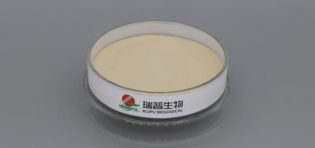
Despite its advantages, product developers frequently encounter technical hurdles when working with calcium salts in large-scale production. Issues such as incomplete dissolution, unwanted precipitation, and off-notes in the final flavor profile can severely impact the quality of the finished goods. When formulating with other functional ingredients, these challenges can become even more pronounced, leading to inconsistent batches or reduced shelf life. To help B2B manufacturers overcome these formulation bottlenecks, we have outlined three essential strategies to effectively utilize Calcium Lactate in your product development pipeline.
The first crucial tip is to carefully manage the solubility and dispersion of Calcium Lactate during the initial mixing phases. While this salt is more soluble than calcium carbonate, it still requires adequate hydration time and proper shear forces to fully integrate into aqueous systems. If added too quickly or without sufficient agitation, the particles can clump together, creating localized areas of high concentration that may later cause precipitation. To prevent this, formulators should pre-disperse the calcium powder in a portion of the water or blend it with other dry beverage ingredients before introducing it to the main mixing vessel, ensuring a smooth and uniform hydration process.
Consider the practical scenario of developing a clear, fortified sports drink where visual appeal is just as important as nutritional content. In this application, any undissolved particles will create a cloudy appearance or settle at the bottom of the bottle, which consumers often perceive as a defect. By employing a step-wise hydration method and slightly warming the water to around forty degrees Celsius during the initial mixing stage, manufacturers can achieve complete dissolution. This careful approach ensures the final beverage remains crystal clear while delivering the intended calcium dosage without compromising the aesthetic quality of the drink.
The second tip focuses on proactively managing the flavor profile, as calcium salts can sometimes impart a subtle chalky or bitter aftertaste if not properly balanced. Although Calcium Lactate is milder than many alternative calcium sources, its interaction with certain acids or sweeteners can unexpectedly alter the overall taste perception of the product. Formulators should conduct early-stage sensory evaluations and utilize natural flavor modifiers, such as citrus extracts or vanilla notes, which are particularly effective at masking mineral off-notes. When working with supplement raw materials for chewable tablets or gummies, blending the calcium with complementary fruit flavors and adjusting the acidulant ratios can completely neutralize any undesirable mineral taste.
A practical example of this flavor management can be seen in the development of a calcium-fortified fruit chew for children. If the formulation relies solely on a basic sweetener and a generic berry flavor, the underlying mineral taste of the calcium might become noticeable and reduce the product's appeal to young consumers. By introducing a touch of tartness through malic acid and enhancing the berry profile with natural citrus top notes, the formulator can effectively mask the calcium. This results in a highly palatable chewable supplement that children enjoy, proving that strategic flavor pairing is essential for successful mineral fortification.
| Formulation Challenge | Root Cause | Recommended Strategy | Practical Application |
|---|---|---|---|
| Incomplete Dissolution | Rapid addition without sufficient shear or hydration time | Pre-disperse in water or dry blend; use warm water (approx. 40°C) | Clear sports drinks requiring visual clarity |
| Mineral Off-Notes | Interaction between calcium ions and specific acids or sweeteners | Use natural flavor modifiers like citrus or adjust acidulant ratios | Children's fruit chews or gummy supplements |
| Unwanted Precipitation | Reactive calcium ions binding with proteins or phosphates | Control pH levels and add stabilizers or sequestering agents | High-protein plant-based nutritional shakes |
The third essential tip involves closely monitoring and balancing the pH levels throughout the formulation to prevent unwanted chemical reactions and precipitation. Calcium ions are highly reactive and can easily bind with phosphates, citrates, or certain proteins present in the recipe, leading to the formation of insoluble complexes that drop out of the solution over time. To maintain long-term stability, it is vital to select compatible stabilizers and carefully adjust the pH to a range where Calcium Lactate remains highly soluble and chemically inert. Developing comprehensive application solutions often requires the use of sequestering agents or specific hydrocolloids that keep the calcium ions suspended and prevent them from interacting with other reactive compounds in the matrix.
Imagine a scenario where a manufacturer is formulating a high-protein, plant-based nutritional shake fortified with calcium. Plant proteins are notoriously sensitive to calcium ions, which can cause the proteins to cross-link and form a gritty, gel-like texture if the pH is not strictly controlled. By adjusting the formulation's pH to a slightly acidic level and incorporating a tailored blend of gellan gum and citrates as stabilizing agents, the developer can prevent protein aggregation. This ensures the nutritional shake maintains a smooth, creamy mouthfeel and consistent viscosity throughout its entire shelf life, demonstrating the critical importance of pH and stabilizer management.
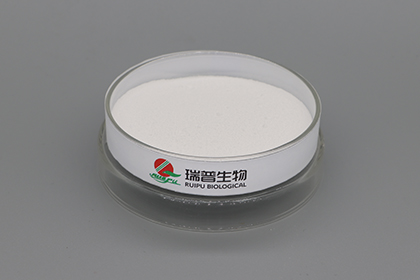
Mastering these formulation techniques provides immense application value for B2B clients looking to scale their production and capture market share. By ensuring optimal solubility, perfecting the flavor profile, and guaranteeing long-term physical stability, manufacturers can confidently launch products that meet rigorous quality standards. This technical proficiency not only reduces the risk of costly batch failures and product recalls but also enhances overall consumer satisfaction and brand loyalty. Ultimately, a deep understanding of how to manipulate and stabilize these ingredients allows companies to innovate faster and bring highly competitive, nutrient-dense products to the market.
In summary, while incorporating Calcium Lactate into complex food, beverage, and supplement matrices presents distinct technical challenges, these hurdles are entirely manageable with the right expertise. By focusing on proper hydration techniques, strategic flavor masking, and precise pH stabilization, product developers can fully unlock the potential of this versatile mineral. As the industry continues to evolve and consumer demand for functional nutrition grows, mastering these fundamental formulation principles will remain a key differentiator for manufacturers striving to deliver exceptional, high-quality products to the global market.
Frequently Asked Questions (FAQ)
Why does Calcium Lactate sometimes cause precipitation in my beverage formulations?
Precipitation usually happens when calcium ions react with other compounds like phosphates or proteins in your recipe. If the pH level is not properly balanced, these ions can form insoluble complexes that drop out of the solution over time.
To prevent this issue, you need to carefully adjust the pH and consider adding specific stabilizers or sequestering agents. These ingredients help keep the calcium suspended and stop it from interacting with other reactive components in your liquid matrix.
How can I mask the chalky or bitter aftertaste often associated with calcium fortification?
Even though Calcium Lactate has a milder flavor compared to other calcium salts, it can still introduce subtle off-notes when mixed with certain acids or sweeteners. The best approach is to conduct early sensory tests and use natural flavor modifiers to balance the taste.
Citrus extracts, vanilla notes, or a slight increase in tartness using malic acid work wonderfully to cover up any mineral tastes. This strategy is especially useful when you are developing chewable supplements or gummies where flavor is a major factor for consumer acceptance.
What is the best way to ensure Calcium Lactate dissolves completely during large-scale mixing?
Incomplete dissolution often occurs when the powder is added too quickly or without enough agitation in the mixing vessel. You should always pre-disperse the calcium with other dry ingredients or hydrate it in a small portion of water before adding it to the main batch.
Warming the hydration water to around forty degrees Celsius and applying proper shear forces will also speed up the process significantly. Taking these extra steps guarantees a smooth texture and prevents cloudy appearances or sediment at the bottom of your final product.