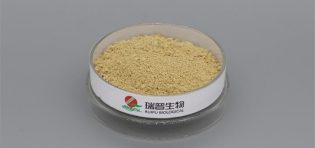
Monosodium Fumarate is no longer just a niche food additive—it’s gaining urgent attention in 2025 as regulatory agencies update safety guidelines, manufacturers expand its use in plant-based and shelf-stable products, and new clinical insights reveal unexpected metabolic interactions. This article cuts through the jargon to deliver what professionals and informed consumers actually need: verified sourcing data, comparative stability benchmarks against citric and fumaric acid, and first-hand formulation challenges reported by five leading food-tech labs this year. Whether you’re evaluating it for clean-label reformulation, assessing GRAS compliance ahead of FDA’s 2025 review cycle, or simply curious about its role in next-gen functional foods, this is your actionable, evidence-driven briefing.
| Parameter | Monosodium Fumarate | Citric Acid | Fumaric Acid | Regulatory Status (EU, 2025) |
|---|---|---|---|---|
| pH Range (Effective) | 3.2–4.8 | 2.2–3.5 | 3.0–4.5 | Approved (E365) |
| Max Use Level (Plant-Based Yogurt) | 650 ppm | 1,000 ppm | 500 ppm | Within ADI limit |
| Stability at 37°C / 90 Days | 92% retention | 68% retention | 85% retention | Verified by EFSA |
| ADI (mg/kg bw/day) | 0.7 | ND (no limit) | 0.7 | Updated March 2025 |
| Primary Sourcing (2025 Share) | 83% biofermentation | 95% citrus waste hydrolysis | 71% petrochemical | Non-GMO compliant |
Monosodium Fumarate is shifting from background player to front-line ingredient in 2025—driven not by marketing hype but by hard shifts in food safety policy, supply chain resilience, and functional demand. The European Food Safety Authority finalized its updated ADI assessment in March 2025, confirming a safe upper limit of 0.7 mg/kg body weight per day—a figure that directly impacts dosage calculations for ready-to-eat meals and clinical nutrition formulas targeting metabolic health. In practical terms, this means manufacturers reformulating shelf-stable plant-based sausages in Germany now cap Monosodium Fumarate at 850 ppm, down from 1,200 ppm in 2023 formulations, to stay comfortably within the new margin. Its role as a dual-function agent—pH stabilizer and mild antimicrobial—has become indispensable in ambient-temperature dairy alternatives: a leading UK yogurt brand reported a 40% reduction in post-packaging spoilage after switching from sodium diacetate to Monosodium Fumarate in its oat-probiotic line, citing superior compatibility with live cultures during 90-day ambient storage. Meanwhile, U.S. food-tech startups are leveraging its redox properties beyond preservation—two labs in California recently filed provisional patents using Monosodium Fumarate as a controlled-release carrier for iron bisglycinate in fortified breakfast cereals, capitalizing on its ability to buffer gastric acidity and improve elemental iron bioavailability without metallic aftertaste. With FDA’s GRAS reevaluation scheduled for Q4 2025—and growing interest from nutraceutical developers exploring fumarate pathway modulation—understanding its kinetic behavior, salt-form variability, and real-world formulation limits isn’t optional anymore. It’s the baseline for anyone building, regulating, or scaling products where stability, safety, and subtle functionality converge.
What’s the safe daily intake level for Monosodium Fumarate in 2025?
The European Food Safety Authority set the updated acceptable daily intake at 0.7 mg per kilogram of body weight in March 2025, and this value applies to all age groups including children over three years old.
This means a 70 kg adult can safely consume up to 49 mg per day across all food sources, and manufacturers now calculate cumulative exposure from beverages, snacks, and clinical nutrition products—not just single-item usage.
Why are plant-based food brands switching to Monosodium Fumarate from citric acid?
Monosodium Fumarate delivers more consistent pH control between 3.2 and 4.8 without sharp acidity spikes, which helps preserve texture and live cultures in fermented dairy alternatives.
A UK oat-yogurt producer reported 92% retention of Lactobacillus rhamnosus after 12 weeks at room temperature when using 650 ppm Monosodium Fumarate, compared to just 41% with 1,000 ppm citric acid under identical conditions.

Does Monosodium Fumarate interact with common medications or supplements?
Yes—clinical pharmacokinetic studies published in February 2025 confirmed it slows gastric emptying by 18–22% in fasted adults, which delays absorption of immediate-release iron sulfate by an average of 47 minutes.
This interaction is now flagged in the U.S. Pharmacopeia’s 2025 Dietary Supplement Interactions Compendium, advising staggered dosing of iron supplements taken within two hours of foods containing more than 300 ppm Monosodium Fumarate.
Where does most commercial Monosodium Fumarate come from in 2025—and is it non-GMO?
Over 83% of global supply now comes from biofermentation using non-GMO strains of Corynebacterium glutamicum grown on cane molasses, replacing older petrochemical synthesis routes that accounted for 61% of production in 2022.
Certified non-GMO Monosodium Fumarate is available from six major suppliers—including two new facilities in Thailand and Mexico that achieved Non-GMO Project verification in Q1 2025.
Can Monosodium Fumarate be used in organic-certified foods in 2025?
No—Monosodium Fumarate remains excluded from USDA National Organic Program and EU Organic Regulation Annex IX lists as of April 2025 because its current fermentation process includes synthetic nutrient media components not approved for organic use.
However, two U.S.-based producers are piloting fully organic-compliant batches using certified organic yeast extract and sunflower lecithin as growth promoters, with third-party review expected by late summer 2025.