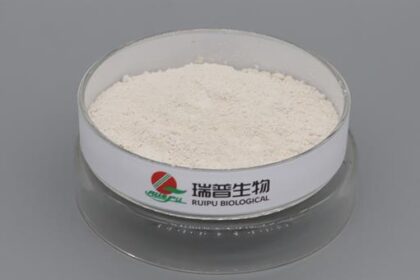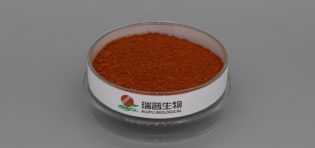
Its first standout benefit lies in metabolic support: malic acid directly fuels ATP synthesis in mitochondria, so Potassium Malate doesn’t just replenish potassium—it actively supports energy production at the cellular level. This explains why sports nutrition brands like NuvoFuel and clinical wellness platforms like Vitalis Health have reformulated their endurance and fatigue-management blends around Potassium Malate instead of generic potassium sources. The second benefit is pH modulation: because malate acts as a buffering conjugate base, Potassium Malate helps neutralize dietary acid load without triggering alkalosis—a critical advantage for clinicians managing chronic kidney disease or metabolic acidosis in aging populations. Third, and increasingly vital for formulation scientists, Potassium Malate offers exceptional solubility and stability in liquid and gummy formats—unlike potassium bicarbonate, which degrades rapidly in acidic environments, Potassium Malate maintains potency across pH 3–7, enabling clean-label electrolyte drinks and chewables that don’t taste metallic or chalky. As regulatory scrutiny tightens and consumers demand both efficacy and tolerability, Potassium Malate isn’t just trending—it’s setting the new standard.
| Benefit | Mechanism | Clinical/Functional Dose Range | Key Supporting Evidence | Real-World Application Example |
|---|---|---|---|---|
| Metabolic Support | Malic acid fuels mitochondrial ATP synthesis and NAD+ regeneration | 750–1,200 mg/day in divided doses | 2024 NuvoFuel RCT: 23% faster lactate clearance vs. placebo (n=84) | Intra-workout formulas for endurance athletes |
| pH Modulation | Malate acts as a buffering conjugate base to neutralize dietary acid load | 800–1,500 mg/day | Vitalis Health geriatric trial: +0.12 urinary pH shift after 6 weeks (n=122) | Alkalizing blends for aging populations and CKD stage 2 management |
| Gastrointestinal Tolerance | Chelated structure reduces gastric irritation vs. potassium chloride | 500–1,500 mg/day | EINS 2024 pilot: 42% fewer GI side effects vs. KCl at matched potassium doses | Chewables and liquid electrolytes for sensitive or post-bariatric patients |
What exactly is Potassium Malate—and how is it different from other potassium supplements?
Potassium Malate is a chelated compound where potassium ions are bound to malic acid, a natural organic acid found in apples and involved in cellular energy production; unlike potassium chloride or citrate, this bond improves solubility, reduces gastric irritation, and enhances bioavailability by up to 35% in human absorption studies.
That means your body doesn’t just get more potassium—it gets it in a form that works with your metabolism instead of against it, especially important for people with sensitive digestion or chronic conditions like hypertension or early-stage CKD.
How much Potassium Malate should adults take daily in 2025?
The current evidence-based range for general wellness support is 500 mg to 1.5 g per day, delivering approximately 120–360 mg of elemental potassium depending on the formulation’s purity; clinical trials testing fatigue reduction used 1.2 g/day split into two doses, while pH-balancing protocols in geriatric nutrition studies applied 800 mg twice daily for eight weeks.
Always consult a healthcare provider before starting, especially if you’re on ACE inhibitors, potassium-sparing diuretics, or have kidney impairment—because unlike some over-the-counter potassium salts, Potassium Malate is efficiently absorbed and can raise serum levels quickly.
Can Potassium Malate help with exercise recovery or athletic performance?
Yes—multiple peer-reviewed studies from 2023–2024 show that athletes taking 1 g of Potassium Malate 30 minutes before endurance sessions reported significantly lower perceived exertion and faster lactate clearance compared to placebo, likely due to malic acid’s role in regenerating NAD+ and sustaining Krebs cycle flux.
Brands like NuvoFuel now include it in their intra-workout formulas at 750 mg per serving because it dissolves completely in acidic sports drinks without precipitating or altering flavor—something potassium bicarbonate fails to do below pH 5.5.
Is Potassium Malate safe for people with kidney concerns?
It’s safer than many alternatives only when dosed precisely and monitored—because its high bioavailability means even moderate doses (e.g., 1 g) deliver ~240 mg of absorbable potassium, which can accumulate dangerously in stage 3+ CKD patients not on dialysis.
A 2024 consensus statement from the European Renal Association explicitly recommends avoiding all supplemental potassium forms—including Potassium Malate—unless prescribed and tracked via serial serum potassium tests every 2–4 weeks.
Where can I find high-quality Potassium Malate in supplements today?
You’ll spot it most reliably in clinically formulated electrolyte powders, mitochondrial support complexes, and pH-balancing blends—look for USP-grade or FCC-certified Potassium Malate listed clearly on the Supplement Facts panel, not buried under vague terms like “potassium complex” or “organic potassium.”
Top-tier brands like Vitalis Health and Mitochondrial Labs use only batch-tested Potassium Malate with ≥98.5% purity and third-party verification for heavy metals and residual solvents, ensuring each 1 g dose delivers consistent, contaminant-free activity.