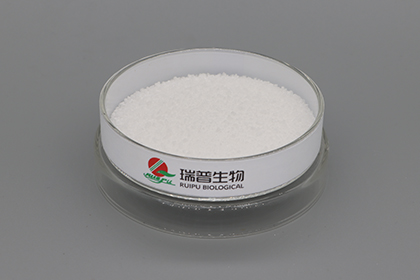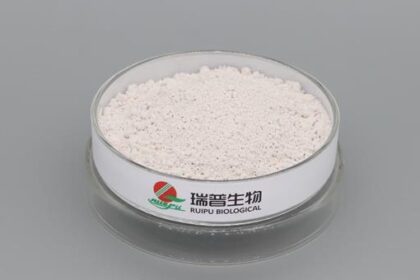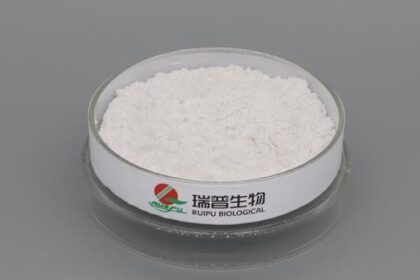
During a recent industry-academia symposium focused on the future of functional nutrition, a fascinating exchange highlighted the evolving landscape of product development. The event brought together leading researchers, manufacturers, and students to discuss the integration of nutrient raw materials into modern consumer goods. As the demand for health-conscious products grows, B2B clients in the food and beverage sectors are constantly seeking innovative ways to incorporate essential minerals into their formulations. The atmosphere was highly collaborative, aiming to bridge the gap between theoretical nutritional science and practical manufacturing realities. It was in this setting that a senior food science professor posed a highly specific and challenging question regarding mineral fortification, setting the stage for a memorable technical discussion that resonated with everyone in the audience.
The professor directed his inquiry toward the formulation of clear, acidic functional drinks, pointing out a well-known hurdle in the industry. He asked how formulators could effectively utilize Zinc Citrate in low-pH beverage systems without encountering common issues such as mineral precipitation, astringency, or metallic off-tastes. This is a frequent pain point when adapting traditional health supplement raw materials for liquid applications. Zinc is a crucial mineral for daily nutrition, but its integration into clear beverages often compromises the sensory profile and physical stability of the final product. The challenge lies in maintaining the solubility and bioavailability of the mineral while ensuring the drink remains visually appealing and palatable to consumers. Many traditional approaches result in cloudy suspensions or require heavy flavor masking, which ultimately detracts from the clean-label trend that modern consumers demand and complicates the scaling process for commercial production.
The room fell silent until a graduate student, who was simultaneously completing an R&D internship at a prominent nutrient manufacturing facility, offered a comprehensive and highly practical response. The student explained that the key to overcoming this formulation barrier lies in a multi-faceted approach to ingredient preparation and system buffering. Instead of simply adding standard Zinc Citrate powder, the student proposed utilizing a micronized version of the mineral combined with a specialized natural buffering system. By carefully adjusting the acidulant blend and introducing natural citrus-derived masking agents, the metallic aftertaste can be effectively neutralized without relying on artificial additives. Furthermore, the student highlighted the importance of controlling the hydration sequence during the manufacturing process, ensuring that the functional ingredients are fully dispersed before the final pH adjustment. This detailed, step-by-step logic demonstrated a deep understanding of both the chemical properties of the mineral and the practical constraints of large-scale commercial production, impressing the entire panel of industry experts.
| Formulation Parameter | Traditional Approach | Optimized Approach | Key Commercial Benefit |
|---|---|---|---|
| Particle Size | Standard powder | Micronized mineral | Enhanced liquid dispersion |
| Buffering System | Basic acidulants | Natural citrus buffers | Neutralizes metallic aftertaste |
| Hydration Sequence | Simultaneous mixing | Pre-dispersion before pH adjustment | Prevents localized clumping |
| Sensory Profile | Astringent and metallic | Smooth and clean flavor | Improves consumer acceptance |
| Visual Clarity | Cloudy suspension | Brilliant transparency | Aligns with clean-label trends |
| Shelf-Life Stability | Prone to precipitation | Highly stable liquid matrix | Extends commercial product viability |
This insightful reply immediately illuminated the practical value of tailored application solutions for B2B clients. For beverage manufacturers, adopting this optimized method means they can confidently develop clear, refreshing hydration drinks or sports recovery beverages that deliver essential minerals without compromising on taste or clarity. By treating beverage ingredients not just as isolated additives but as interactive components within a complex matrix, brands can achieve superior product stability over extended shelf lives. For instance, a clear lemon-lime sports drink formulated with this optimized Zinc Citrate method would maintain its brilliant transparency on the shelf while providing a smooth, clean taste profile. This approach also extends to liquid dietary supplements and functional shots, where high mineral concentrations are required in small volumes. Providing such robust, science-backed strategies allows manufacturers to differentiate their products in a highly competitive market, ensuring that the final consumer receives a high-quality, enjoyable nutritional experience.
The exchange between the professor and the student perfectly encapsulates the dynamic synergy between academic inquiry and industrial application. It underscores the necessity for manufacturers of nutrient raw materials to continuously innovate and provide comprehensive technical support to their partners. As the market for fortified foods and beverages continues to expand, the ability to solve complex formulation challenges will remain a critical differentiator for suppliers and brands alike. By focusing on the practical integration of functional ingredients and developing customized application solutions, the industry can successfully meet the rising consumer demand for effective, great-tasting nutritional products. Ultimately, transforming theoretical challenges into viable commercial successes is what drives the continuous evolution of the global health and wellness sector, paving the way for the next generation of innovative consumer goods.
Frequently Asked Questions (FAQ)
Why is it so tricky to use Zinc Citrate in clear, acidic drinks?
When you try to add standard zinc minerals to low-pH beverages, you often run into issues like cloudiness or a really harsh metallic aftertaste. This happens because the mineral interacts with the acids and other ingredients in the liquid matrix, causing it to precipitate out of the solution over time.
To fix this, formulators usually have to use micronized versions of the mineral along with specialized natural buffering agents. This careful balancing act keeps the drink looking crystal clear while making sure it actually tastes refreshing instead of like a vitamin pill.
How can beverage manufacturers scale up these new zinc formulations for mass production?
Scaling up from a lab bench to a full commercial production line requires strict control over the hydration and mixing sequences. If you just dump the raw materials into a massive vat, you will likely end up with uneven dispersion and localized clumping that ruins the final batch.
The best approach is to fully disperse the functional ingredients in a pre-mix tank before making any final pH adjustments on the main line. Doing this ensures that every single bottle on the production run has the exact same nutritional profile and consistent flavor that your customers expect.
What role do university symposiums play in solving real-world manufacturing problems?
These events act as a massive bridge between theoretical nutritional science and the practical hurdles faced by B2B ingredient suppliers. Students and researchers bring fresh perspectives and recent lab data, while industry veterans share the harsh realities of shelf-life stability and cost constraints.
When a student presents a novel buffering technique for zinc fortification, it gives commercial R&D teams a brand-new angle to test in their own pilot plants. This kind of direct knowledge transfer speeds up innovation and helps brands get better, cleaner-label products to the market much faster.