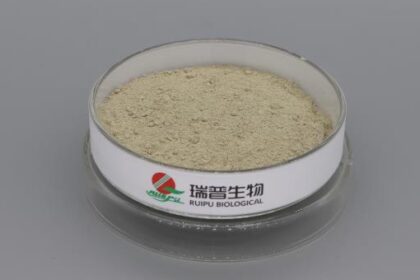
The global push for better nutrition has significantly increased the demand for iron fortification across the food, beverage, and dietary supplement sectors. As manufacturers strive to meet evolving consumer needs, selecting the right iron source has become a critical formulation decision. Among the various options available, traditional ferrous salts and Ferric Sodium Edetate are two of the most widely discussed nutrient raw materials. While ferrous sulfate and ferrous fumarate have been industry staples for decades, modern product development often requires more sophisticated functional ingredients to overcome complex formulation challenges. The rise of plant-based diets, sports nutrition, and functional beverages means that formulators are no longer just making simple vitamin pills; they are creating complex, multi-ingredient matrices. Understanding the distinct chemical properties and physical behaviors of these iron sources is absolutely essential for creating successful, market-ready products that meet both regulatory standards and consumer expectations.
Despite their widespread use and undeniable cost-effectiveness, traditional ferrous salts present several technical hurdles for research and development teams. When used as beverage ingredients, free ferrous ions are highly reactive and can act as potent pro-oxidants. Through mechanisms like the Fenton reaction, they can easily catalyze the oxidation of sensitive nutrients like vitamin C and trigger lipid oxidation, leading to a significant reduction in the product's nutritional value and the development of rancid off-flavors over its shelf life. Furthermore, ferrous salts often interact with polyphenols, tannins, and other natural plant compounds, resulting in undesirable dark color changes and a distinct, unpleasant metallic taste. In the realm of health supplement raw materials, high doses of unchelated ferrous iron can sometimes cause gastrointestinal discomfort, which may negatively impact consumer compliance and overall satisfaction. These sensory, stability, and tolerability issues severely limit the application of traditional ferrous salts in premium liquid formats, gummies, and complex food matrices.
To address these persistent formulation barriers, Ferric Sodium Edetate emerges as a highly effective and stable alternative. Chemically known as NaFeEDTA, this compound features a central ferric iron ion tightly bound within an EDTA chelate ring. This unique molecular structure acts as a robust protective shield, preventing the iron from interacting prematurely with other food components, such as ascorbic acid or phytates, until it reaches the appropriate acidic environment for absorption in the human digestive tract. By utilizing this advanced chelated form, formulators can seamlessly integrate iron into complex systems without triggering the oxidative degradation or sensory defects typically associated with free ferrous ions. Consequently, it serves as a superior choice among functional ingredients, allowing brands to maintain the pristine taste, vibrant color, and nutritional integrity of their final products while ensuring the iron remains biologically available.
| Attribute | Ferric Sodium Edetate | Traditional Ferrous Salts |
|---|---|---|
| Chemical Structure | Chelated (Iron bound to EDTA) | Free ionic iron salts |
| Sensory Impact | Neutral taste, no color change | Metallic taste, may cause darkening |
| Stability in Liquids | Highly stable, prevents oxidation | Reactive, promotes lipid oxidation |
| Phytate Interaction | Overcomes phytate inhibition | Absorption blocked by phytates |
| Cost Profile | Higher raw material cost | Highly economical and low cost |
| Best Applications | Liquid beverages, plant-based foods | Dry blends, basic capsules, flour |
The practical advantages of Ferric Sodium Edetate become particularly evident when examining specific application solutions in the modern food and beverage industry. Consider the development of a fortified fruit juice or a plant-based protein shake. If a formulator uses ferrous sulfate, the iron will likely react with the natural ascorbic acid and polyphenols in the fruit, causing the beverage to turn brown and develop a harsh, metallic flavor within just a few weeks. In contrast, incorporating Ferric Sodium Edetate ensures the beverage remains visually appealing and organoleptically neutral throughout its intended shelf life, making it an ideal choice for premium beverage ingredients. Additionally, in plant-based foods and cereal bars that are naturally high in phytic acid, a known inhibitor of iron absorption, the EDTA chelate actually helps to improve the overall bioavailability of both the added iron and the native iron present in the plant matrix. This unique property makes it an invaluable asset for developing high-performance health supplement raw materials and nutrient-dense foods where maximum efficacy is paramount. Furthermore, in chewable tablets or gummy vitamins where taste masking is notoriously difficult, the neutral flavor profile of the chelated iron eliminates the need for excessive artificial flavorings.
Ultimately, the decision between Ferric Sodium Edetate and traditional ferrous salts depends entirely on the specific technical requirements of your product matrix and your target market positioning. While ferrous salts remain a viable, economical option for simple, dry-blend applications like basic capsules or flour fortification where reactivity is less of a concern, Ferric Sodium Edetate provides unmatched stability, sensory benefits, and enhanced absorption in complex formulations. As the industry continues to evolve toward cleaner labels, plant-based alternatives, and more sophisticated liquid products, leveraging advanced nutrient raw materials will be key to maintaining a competitive edge. By carefully evaluating your formulation needs, understanding the underlying chemistry, and selecting the appropriate iron source, you can consistently deliver high-quality, effective, and enjoyable nutritional products that resonate with today's health-conscious consumers.
Frequently Asked Questions (FAQ)
What is the main difference between Ferric Sodium Edetate and traditional ferrous salts in food fortification?
The primary difference lies in their chemical structure and how they interact with other ingredients in your product matrix. Traditional ferrous salts release free iron ions that can easily react with vitamins and polyphenols, often causing unwanted color changes and metallic off-flavors.
On the other hand, Ferric Sodium Edetate is a chelated compound where the iron is tightly bound, protecting it from premature reactions and keeping your beverage or supplement tasting great. This structural shield is exactly what allows formulators to maintain the pristine sensory profile of complex nutritional products.
Why do formulators prefer Ferric Sodium Edetate for liquid beverages and plant-based products?
Liquid environments and plant-based matrices are notoriously tricky because they contain high levels of moisture, ascorbic acid, and phytic acid. Free ferrous ions act as pro-oxidants in these liquids, rapidly degrading sensitive nutrients like vitamin C and triggering lipid oxidation that ruins the shelf life.
Ferric Sodium Edetate remains stable in these complex systems, preventing oxidative degradation while actually enhancing the overall iron absorption even in the presence of natural inhibitors like phytates. This makes it an incredibly reliable choice for brands looking to deliver high-quality functional beverages without compromising on taste or nutritional efficacy.
Can I still use ferrous sulfate for my dietary supplements, or is it completely outdated?
Ferrous sulfate is definitely not outdated and remains a highly cost-effective choice for many standard dry-blend applications. If you are manufacturing simple capsules, basic tablets, or fortifying dry flour where moisture and reactive compounds are minimal, ferrous salts work perfectly well and keep your production costs between 10 and 20 percent lower.
However, if your goal is to create premium gummies, chewables, or complex liquid formats where taste and stability are paramount, upgrading to a chelated option is usually the smarter route. You just need to match the iron source to the specific physical and chemical demands of your final product format.