The intersection of academic research and industrial application often yields the most profound insights into modern product development. Recently, during an advanced food science seminar focused on nutritional fortification technologies, a fascinating exchange occurred that accurately captured the current trajectory of the manufacturing sector. The guest lecturer, a veteran professor in food chemistry, challenged an auditorium of aspiring formulators and industry interns with a complex scenario regarding mineral integration. This event underscores a broader industry trend where the demand for high-quality nutrient raw materials is increasingly driven by a deep, scientific understanding of ingredient interactions rather than just basic nutritional profiling. As B2B clients seek more sophisticated formulations, the ability to bridge theoretical chemistry with practical manufacturing has never been more critical.
The core challenge presented by the teacher revolved around the persistent difficulties formulators face when integrating iron into sensitive food and beverage matrices. Specifically, the professor asked how manufacturers could effectively fortify clear liquids, plant-based milks, and complex dietary supplements without triggering lipid oxidation, metallic off-flavors, or undesirable color degradation. Traditional, highly water-soluble iron salts often act as potent pro-oxidants, severely limiting their utility as beverage ingredients and compromising the sensory integrity of the final product. This technical bottleneck has long plagued research and development teams, forcing them to choose between optimal nutritional density and acceptable shelf-life stability. Finding a balance requires a nuanced selection of functional ingredients that can remain stable during processing and storage while still delivering nutritional value upon consumption.
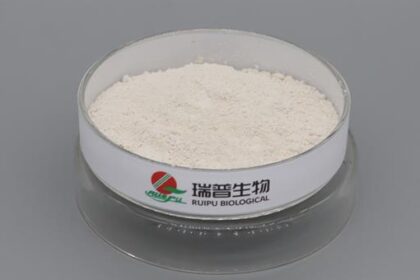
This is where the student’s reply truly shined, offering a masterclass in applied nutritional chemistry and practical formulation science. Instead of suggesting expensive and complex micro-encapsulation technologies, the student highlighted the intrinsic physicochemical benefits of Ferrous Fumarate. The student explained in detail that because Ferrous Fumarate possesses remarkably low solubility in water at a neutral pH, it remains largely inert in liquid and semi-liquid matrices. This inertness effectively prevents the catalytic oxidation of sensitive vitamins, delicate fats, and natural flavor compounds. However, once the ingredient reaches the highly acidic environment of the human stomach, it readily dissolves and provides high bioavailability. To illustrate this, the student referenced a recent pilot trial involving a fortified plant-based protein shake, where Ferrous Fumarate successfully maintained the beverage's fresh taste and light color over a six-month accelerated shelf-life study, proving its superiority among health supplement raw materials.
| Iron Source | Solubility at Neutral pH | Pro-oxidant Activity | Bioavailability | Ideal Application |
|---|---|---|---|---|
| Ferrous Fumarate | Low | Minimal | High | Plant-based milks, meal replacements |
| Ferrous Sulfate | High | Strong | High | Acidic beverages, dry cereals |
| Ferric Pyrophosphate | Very Low | Negligible | Moderate | Clear liquids, sensitive flavors |
| Ferrous Gluconate | Moderate | Moderate | High | Dietary supplements, gummies |
Translating this academic insight into commercial application solutions reveals immense, tangible value for B2B clients operating across the food, beverage, and dietary supplement sectors. For manufacturers developing opaque beverages, nutritional meal replacements, or dairy alternatives, utilizing Ferrous Fumarate as one of the primary beverage ingredients ensures that the product maintains its intended flavor profile and visual appeal without the need for heavy masking agents. In the realm of dietary supplements, its excellent compressibility, low hygroscopicity, and high stability make it an ideal choice for dry powder blends, direct-compression tablets, and hard gelatin capsules. Furthermore, when formulating gummy vitamins or chewable tablets, its relatively neutral taste profile minimizes the astringency often associated with iron fortification. By selecting the right functional ingredients based on their specific matrix interactions, brands can confidently formulate products that meet strict consumer expectations for both taste and nutritional support.
The memorable classroom exchange serves as a powerful reminder that the successful commercialization of nutrient raw materials relies heavily on a rigorous understanding of food chemistry, matrix compatibility, and human physiology. As the global market continues to evolve toward cleaner labels and more complex formulations, manufacturers must prioritize scientifically backed application solutions to overcome traditional processing challenges. By leveraging the unique stability and bioavailability profiles of specialized ingredients like Ferrous Fumarate, B2B partners can develop superior, market-ready products that stand out in a highly competitive landscape. Our ongoing commitment remains focused on supplying premium health supplement raw materials and providing the comprehensive technical expertise necessary to turn complex formulation problems into successful, scalable commercial realities for our global partners.
Frequently Asked Questions
Why is adding iron to beverages and foods so tricky for manufacturers?
When formulators try to mix traditional iron salts into liquid products, they often run into major stability issues. These highly soluble iron compounds tend to act as pro-oxidants, which means they can quickly degrade sensitive vitamins and cause unwanted metallic flavors or strange color changes in the final drink.
This is exactly why the professor brought up the challenge during the food science seminar. Manufacturers are constantly forced to choose between hitting their target nutritional density and keeping the product tasting good over a typical six to twelve month shelf life, making ingredient selection absolutely critical.
How did the student explain the benefits of using Ferrous Fumarate in these formulations?
The student pointed out that Ferrous Fumarate has a very unique advantage because it remains largely insoluble in water at a neutral pH level. This means it just sits quietly in the beverage or food matrix without triggering those nasty oxidation reactions that ruin the flavor and color of the product during storage.
Once a person actually consumes the product, the ingredient reaches the highly acidic environment of the stomach where it easily dissolves. This clever chemical behavior allows brands to deliver excellent bioavailability and nutritional support without sacrificing the sensory experience of their food or beverage.
What types of commercial products benefit the most from this specific iron ingredient?
Beverage companies making opaque drinks, plant-based milks, and nutritional meal replacements find this ingredient incredibly useful for maintaining a clean taste profile. It is also a favorite among dietary supplement manufacturers who need excellent compressibility and low moisture absorption for dry powder blends and direct-compression tablets.
You will also see it frequently used in gummy vitamins and chewable tablets where masking astringent tastes is usually a huge headache. By leveraging this specific functional ingredient, B2B clients can confidently scale up their production without worrying about the product degrading on the warehouse shelf.
Why is it important for food science students to understand these real-world manufacturing bottlenecks?
The classroom exchange perfectly highlights that theoretical chemistry must always be paired with practical manufacturing realities to create successful commercial products. If a student only understands the molecular structure but ignores how an ingredient behaves inside a complex plant-based protein shake, their formulation will likely fail during scaled-up production.
Bridging this gap ensures that the next generation of formulators can design innovative application solutions that actually work on the factory floor. It ultimately helps the entire industry move toward cleaner labels and more stable nutritional products that consumers actually want to buy and consume daily.