The journey was far from smooth, and I ended up ruining six distinct pilot trials before finding the right balance. During the first two trials, the primary issue was severe sedimentation. Ferric Pyrophosphate has a higher specific gravity than the aqueous base of the protein shake, causing the iron particles to sink to the bottom of the bottle within forty-eight hours. In trials three and four, I attempted to solve this by increasing the viscosity of the liquid base using standard hydrocolloids, but this resulted in an unappealing, overly thick mouthfeel and unexpected color shifts when the functional ingredients interacted with the iron under slight acidic conditions. Trials five and six were even more frustrating, as I experimented with different particle sizes, only to face severe agglomeration during the high-pressure homogenization phase. The particles clumped together, creating a gritty texture that completely ruined the sensory profile of the beverage. These failures highlighted a fundamental problem: simply dumping a dry nutrient powder into a liquid matrix without considering the complex physical and chemical interactions is a recipe for disaster.
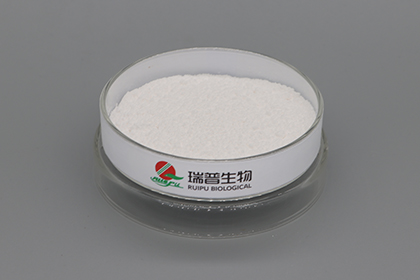
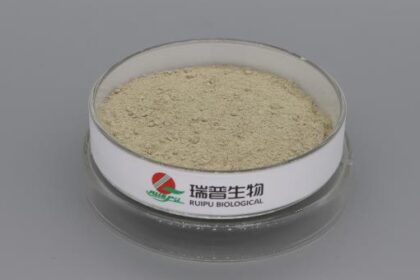
The breakthrough finally came when we shifted our focus from merely adjusting the liquid base to fundamentally modifying the iron particle itself and its immediate micro-environment. We collaborated with our milling department to source a highly micronized grade of Ferric Pyrophosphate, reducing the particle size to less than five micrometers. To prevent these tiny particles from clumping, we developed a specialized pre-blend technique, coating the iron particles with a plant-derived emulsifier before introducing them to the main mixing tank. We also optimized the homogenization parameters, utilizing a two-stage process at specific pressures to ensure uniform dispersion without generating excessive heat that could degrade other sensitive beverage ingredients. This comprehensive approach transformed our failing experiments into a highly stable, proprietary application solution that kept the iron uniformly suspended for over twelve months without altering the viscosity or taste of the final product.
This hard-won formulation protocol offers significant value to our B2B partners in the food, beverage, and dietary supplement sectors. By mastering the suspension and stabilization of Ferric Pyrophosphate, we can now provide our clients with a reliable, ready-to-use nutrient premix that seamlessly integrates into complex liquid matrices. For beverage manufacturers, this means they can fortify their plant-based milks, sports drinks, and nutritional shakes with essential iron without compromising the clean label or the smooth mouthfeel that consumers demand. For supplement brands, this optimized delivery system ensures that the functional ingredients remain uniformly distributed throughout the shelf life of the product, guaranteeing consistent dosing in each serving. Ultimately, this application solution bridges the gap between raw material potential and final product excellence, allowing brands to confidently launch iron-fortified products that taste great and perform reliably.
| Trial Phase | Formulation Strategy | Observed Issue | Final Outcome |
|---|---|---|---|
| Trials 1 and 2 | Baseline aqueous protein shake | Severe sedimentation within 48 hours | Failed due to heavy particle sinking |
| Trial 3 | Added standard hydrocolloids | Overly thick and unappealing mouthfeel | Failed due to poor sensory profile |
| Trial 4 | Increased hydrocolloid concentration | Unexpected color shifts in the liquid | Failed due to visual instability |
| Trial 5 | Used coarse iron particle sizing | Clumping during high-pressure mixing | Failed due to severe agglomeration |
| Trial 6 | Adjusted homogenization temperature | Heat degradation of sensitive nutrients | Failed due to thermal exposure |
| Final Success | Micronized pre-blend with emulsifier | None observed over twelve months | Stable and commercially viable |
Looking back, those two months and six ruined trials were an invaluable investment in our technical capabilities. The development of functional foods requires more than just sourcing high-quality nutrient raw materials; it demands a deep, empirical understanding of how those materials behave under real-world processing conditions. At our core, we are not just a supplier of supplement raw materials and beverage ingredients; we are a dedicated technical partner committed to solving complex formulation challenges. By sharing these practical insights and robust application solutions, we aim to empower our B2B clients to navigate the complexities of iron fortification with confidence, driving innovation and delivering high-quality nutritional products to the global market.
Frequently Asked Questions
Why did the Ferric Pyrophosphate sink to the bottom during the first two trials?
The main reason for this issue is the significant difference in specific gravity between the iron particles and the liquid base. Ferric Pyrophosphate is much heavier than the aqueous base of the protein shake we were using for our formulation.
Because of this weight difference, the iron particles naturally settled at the bottom of the bottle within just forty-eight hours. This sedimentation problem is quite common when working with dense mineral salts in low-viscosity liquids without a proper suspension system.
Did increasing the viscosity with hydrocolloids fix the sedimentation issue in trials three and four?
While adding standard hydrocolloids did technically slow down the sinking process, it created a whole new set of problems for the overall beverage profile. The liquid base became way too thick and resulted in an unappealing mouthfeel that everyday consumers would likely reject.
It ended up feeling more like a heavy syrup than a refreshing and smooth protein shake. We quickly realized that simply making the liquid thicker was just a temporary band-aid solution rather than a proper technical fix for stabilizing dense functional ingredients over a long shelf life.
What is the best approach to prevent Ferric Pyrophosphate from clumping or settling in liquid supplements?
The most effective strategy we discovered involves modifying the particle size and using a specialized pre-blend coating technique before mixing. By reducing the iron particles to a highly micronized grade and coating them with a plant-derived emulsifier, you can drastically improve their suspension in the liquid matrix.
You also need to carefully control your processing parameters, especially the temperature and pressure during the homogenization phase. A carefully calibrated two-stage homogenization process ensures uniform dispersion without generating excess heat, keeping the functional ingredients perfectly stable without compromising the clean taste of your drink.