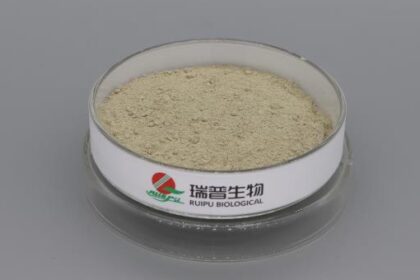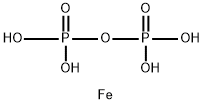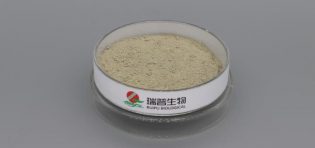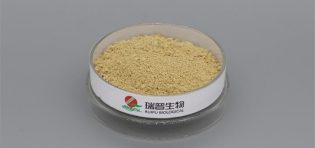
The global market for fortified foods and dietary supplements continues to expand, driven by growing consumer awareness of nutritional deficiencies. Among the various options available, iron fortification remains a critical focus for product developers. Ferric Pyrophosphate has emerged as a highly sought-after choice among nutrient raw materials because of its excellent sensory profile. Unlike other iron sources that can impart a strong metallic taste or cause undesirable color changes, this compound is remarkably neutral. This makes it an ideal candidate for a wide range of formulations, from dairy alternatives to complex nutritional powders. As the demand for high-quality functional ingredients grows, understanding how to properly handle and integrate this specific iron source is becoming increasingly important for manufacturers.
However, incorporating Ferric Pyrophosphate into commercial formulations is not without its technical hurdles. The most significant challenge lies in its physical properties, particularly its insolubility in water. When formulators use it as one of the primary beverage ingredients in liquid applications, they frequently encounter issues with sedimentation and phase separation over the product's shelf life. Imagine developing a fortified plant-based milk; if the iron particles are too large or not properly stabilized, they will settle at the bottom of the carton, leading to an uneven nutritional distribution and a gritty mouthfeel for the consumer. Similarly, in dry powder blends, poor flowability and uneven mixing can result in hot spots of iron, which compromises both the safety and the efficacy of the final product. These formulation roadblocks often frustrate R&D teams who are trying to utilize dietary supplement raw materials effectively without compromising the sensory experience. Additionally, iron can act as a pro-oxidant. If not adequately protected, it might catalyze fat oxidation and degrade sensitive vitamins, leading to rancidity or reduced nutritional potency over time.
To overcome these physical limitations, manufacturers must adopt specialized processing techniques and tailored application solutions. The most effective approach involves utilizing micronized or encapsulated grades of Ferric Pyrophosphate. Micronization reduces the particle size to a sub-micron level, which significantly slows down the sedimentation rate in liquid suspensions and improves the overall mouthfeel. For instance, when developing a high-protein ready-to-drink shake, using a micronized grade combined with a carefully selected hydrocolloid stabilizer system can keep the iron particles uniformly suspended for months. Encapsulation is another powerful strategy, where the iron particles are coated with a lipid or carbohydrate layer. This not only prevents the iron from interacting with sensitive vitamins like Vitamin C in the formulation but also further masks any potential off-notes. By collaborating with experienced suppliers who understand the intricate chemistry of these nutrient raw materials, formulators can access customized dispersion protocols that perfectly match their specific processing equipment and target product matrix. Furthermore, rigorous stability testing under accelerated conditions is crucial. Formulators should conduct thermal cycling and ambient storage tests to observe physical or chemical changes, ensuring the stabilization strategy holds up under real-world retail conditions and preventing costly reformulations.
| Application Area | Key Challenge | Recommended Solution | Expected Benefit |
|---|---|---|---|
| Plant-Based Milks | Sedimentation and phase separation | Micronization combined with hydrocolloid stabilizers | Smooth mouthfeel and uniform suspension |
| Clear Nutritional Waters | Color shifts and vitamin oxidation | Encapsulated Ferric Pyrophosphate grade | Preserves liquid clarity and active ingredient stability |
| Dry Powder Blends | Poor flowability and nutrient hot spots | Particle agglomeration and geometric dilution | Even nutrient distribution and consistent dosing |
| High-Protein RTD Shakes | Protein interaction and gritty texture | Sub-micron particle size with high-pressure homogenization | High physical stability without chalky aftertaste |
| Gummy and Chewable Supplements | Metallic aftertaste and aroma degradation | Lipid or carbohydrate encapsulation coating | Completely neutral flavor profile and extended shelf life |
Implementing these advanced technical strategies delivers substantial value to the final commercial product. First and foremost, it ensures consistent nutritional labeling and regulatory compliance, as every single serving will contain the exact declared amount of iron. From a consumer perspective, the absence of sedimentation and metallic aftertaste directly translates to higher repeat purchase rates and better brand loyalty. Furthermore, optimizing the particle size and matrix integration can enhance the relative bioavailability of the iron, ensuring that the functional claims of the product are genuinely supported by physiological uptake. For B2B clients, having a robust, stable formulation means fewer production line stoppages, reduced waste, and a faster time-to-market. It transforms a potentially problematic ingredient into a seamless, value-adding component of their beverage ingredients portfolio.
In the competitive landscape of food and supplement manufacturing, the difference between a good product and a great one often lies in the mastery of ingredient functionality. Ferric Pyrophosphate offers a fantastic opportunity to deliver essential nutrition without sacrificing taste or appearance, provided that its physical challenges are addressed proactively. By paying close attention to particle size, stabilization systems, and matrix interactions, product developers can fully unlock its potential. As the industry continues to evolve, partnering with a reliable manufacturer who provides comprehensive technical support and innovative application solutions will remain a key strategy for success. Ultimately, a deep understanding of your functional ingredients is what will empower your brand to deliver superior, stable, and highly acceptable nutritional products to the market.

Frequently Asked Questions (FAQ)
Why do formulators prefer Ferric Pyrophosphate for sensitive beverage applications?
Many product developers choose this specific iron source because it has a remarkably neutral sensory profile compared to traditional alternatives. It does not impart that unpleasant metallic aftertaste that consumers often complain about in fortified drinks.
Additionally, it remains highly stable and does not trigger undesirable color shifts or catalyze the oxidation of sensitive fats and flavors. This makes it an incredibly reliable option for complex matrices like plant-based milks and clear nutritional waters.
What is the best way to stop Ferric Pyrophosphate from settling at the bottom of liquid drinks?
The most effective strategy involves using micronized grades of the ingredient to drastically reduce the particle size to between 1 and 3 microns. Smaller particles naturally stay suspended much longer and completely eliminate any gritty mouthfeel for the end consumer.
You should also pair this micronized iron with a carefully selected hydrocolloid stabilizer system to create a weak gel network in the liquid. Running the final product through a high-pressure homogenizer will further ensure that everything remains perfectly uniform throughout its entire shelf life.
Will adding this iron source degrade other vitamins like Vitamin C in my dietary supplement?
Free iron ions can indeed act as pro-oxidants and accelerate the degradation of sensitive water-soluble vitamins over time. If you are working with a highly reactive formula, you might notice a significant drop in your declared vitamin potency after just a few months of ambient storage.
To completely avoid this issue, we highly recommend sourcing an encapsulated version of Ferric Pyrophosphate. The protective lipid or carbohydrate coating acts as a physical barrier, keeping the iron isolated from your delicate active ingredients until it reaches the digestive tract.