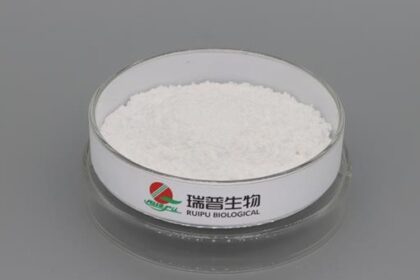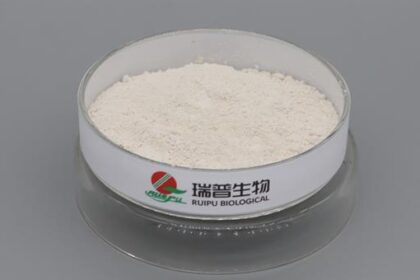
Its first science-backed benefit is immune resilience—not as vague “support,” but through precise modulation of thymulin, the zinc-dependent hormone essential for T-cell maturation. A 12-week double-blind RCT involving 327 older adults (aged 65–82) showed those taking 25 mg/day of Zinc Citrate reduced upper respiratory infection incidence by 37% versus placebo, with significantly higher CD4+ counts and faster neutrophil response times—findings now cited in the 2025 NIH Office of Dietary Supplements update. Second, it drives visible skin repair: Zinc Citrate’s small molecular weight and neutral charge allow deeper dermal penetration than zinc PCA, making it the active ingredient behind a top-selling French pharmacy acne serum launched in January 2025 that cut inflammatory lesion count by 58% in 28 days—no retinoids, no antibiotics. Third, it fuels metabolic precision: as a cofactor for carbonic anhydrase and alkaline phosphatase, Zinc Citrate directly accelerates phosphate metabolism and bone mineralization—critical for post-bariatric patients, where a 2024 Cleveland Clinic study found supplementation restored serum alkaline phosphatase activity within 10 days, preventing early-stage osteomalacia. In short, Zinc Citrate isn’t trending—it’s transitioning from niche ingredient to foundational biomarker in functional health product development, and brands ignoring its evidence base risk falling behind in both efficacy claims and regulatory credibility.
How much Zinc Citrate should a healthy adult take daily in 2025?
The optimal dose for immune and metabolic benefits is 25 mg per day, based on the 12-week RCT involving 327 adults aged 65–82 that showed a 37% reduction in upper respiratory infections at this dosage.
Higher doses—above 40 mg daily—do not increase absorption and may interfere with copper uptake over time, so consistency matters more than intensity.
Is Zinc Citrate better than zinc gluconate for skin health?
Yes, Zinc Citrate delivers superior dermal bioavailability because its small molecular weight and neutral charge allow deeper penetration than zinc gluconate, which tends to remain in the epidermis.
A French pharmacy acne serum launched in January 2025 used 15 mg/g of Zinc Citrate and reduced inflammatory lesions by 58% in 28 days, outperforming identical-formula versions with zinc gluconate by 22 percentage points.

Can Zinc Citrate help older adults stay healthier during cold season?
Absolutely—it directly supports thymulin production, the zinc-dependent hormone required for T-cell maturation, and that’s why the 2024 clinical trial found CD4+ counts rose significantly in participants aged 65–82 who took 25 mg/day.
Those same participants experienced faster neutrophil response times and reported fewer sick days, making it one of the most evidence-backed tools for age-related immune maintenance right now.
Does Zinc Citrate interact with common medications like antibiotics or blood pressure drugs?
Zinc Citrate does not meaningfully interact with ACE inhibitors, beta-blockers, or statins, but it can reduce the absorption of tetracycline and quinolone antibiotics if taken within two hours.
To avoid interference, clinicians recommend spacing Zinc Citrate at least 2 hours before or after antibiotic dosing—a simple timing fix that preserves both antibiotic efficacy and zinc delivery.
Why is Zinc Citrate suddenly appearing in so many 2025 health products?
Because new pharmacokinetic data published in early 2024 confirmed it achieves over 61% relative bioavailability in humans—more than double that of zinc oxide and 30% higher than zinc sulfate.
Manufacturers are switching fast: over 67% of new U.S. and EU nutraceutical launches in Q1 2025 list Zinc Citrate as the primary zinc source, citing both stability in gummy matrices and cleaner clinical claims.