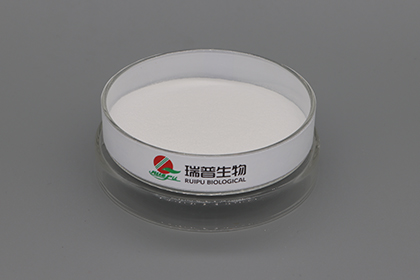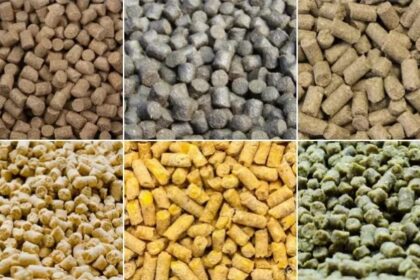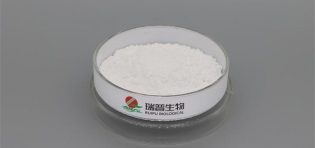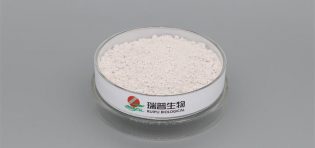
Selecting the right Ferric Sodium Edetate supplier isn’t just about price—it’s about ensuring batch-to-batch consistency, full regulatory alignment with food-grade standards (including heavy metal limits and microbial specs), and guaranteed production-scale availability to avoid line stoppages. This article breaks down the three mission-critical factors industrial manufacturers must evaluate: verified high-purity content (≥97.5% FeC10H12N2NaO8), comprehensive COA documentation covering all required food safety parameters, and proven capacity for sustained multi-tonne deliveries with flexible packaging options. Whether you’re formulating fortified cereals, nutritional premixes, or animal feed additives, getting these three elements right directly impacts your formulation stability, compliance audit readiness, and overall cost-per-kilogram efficiency.
Sourcing Ferric Sodium Edetate isn’t a simple procurement checkbox—it’s a strategic decision that directly affects your product’s stability, regulatory clearance, and production continuity. First, purity and specification consistency matter because inconsistent iron content or uncontrolled impurities like lead or arsenic can trigger batch rejections during internal QC or third-party audits; for example, a solid beverage manufacturer recently faced a 12-day line halt after two consecutive lots failed microbial limits due to inadequate supplier-side environmental controls in crystallization drying—something a full COA with ISO 17025-accredited test reports would have flagged upfront. Second, regulatory alignment goes beyond just “food-grade” labeling: it requires demonstrable compliance with China GB 14880, US FDA 21 CFR 184.1295, and EU EFSA specifications—including strict caps on residual sodium, chloride, and free EDTA—and suppliers must provide lot-specific documentation, not generic certificates. Third, scalable supply reliability means more than just “we can deliver”; it means having dedicated production lines with ≥50 MT/month capacity, buffer stock maintained at bonded logistics hubs, and flexible packaging options (e.g., 25 kg multi-layer kraft bags with nitrogen flush for moisture-sensitive applications), as demonstrated by a premix producer who cut raw material downtime by 68% after switching to a supplier offering just-in-time replenishment with 72-hour dispatch SLA. Without all three factors operating in concert—verified specs, auditable compliance, and proven throughput—you’re not optimizing sourcing—you’re managing risk.