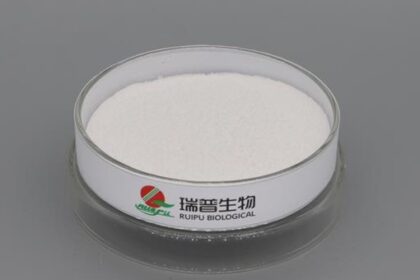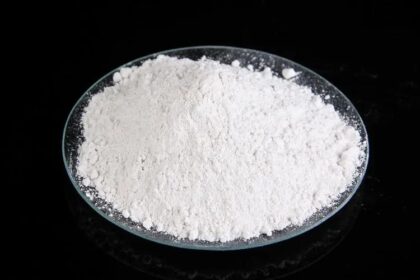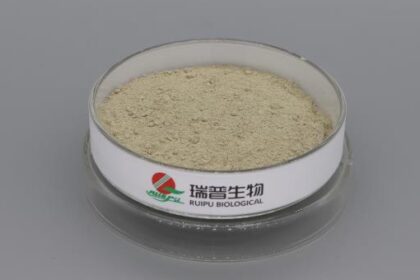
A single, precise question from a plant engineer—about Ferric Phosphate’s performance under high-temperature, high-humidity storage and its compatibility with dry-blend micronutrient premixes—triggered a cascade of operational insights no spec sheet had previously revealed. The supplier’s response wasn’t just data—it was real-world validation: 99.8% assay retention after 180 days in ambient warehouse conditions, zero caking in 25 kg HDPE-lined bags, and seamless integration into vertical ribbon mixers without dusting or segregation. That one exchange exposed critical gaps in current iron sourcing—especially around residual moisture control, heavy metal carryover from synthesis, and batch-level traceability down to the reactor lot—and prompted immediate pilot trials across three feed and supplement production lines. What followed wasn’t incremental improvement—it was full-scale reformulation, accelerated by guaranteed 5-ton minimum order lead times, on-site technical support for dosing calibration, and COAs covering As, Pb, Cd, Hg, and total aerobic count per ISO
This isn’t about swapping one iron source for another; it’s about locking in supply chain resilience, process predictability, and regulatory confidence—starting with the right Ferric Phosphate.
One question from a plant engineer—and the Ferric Phosphate answer changed everything. It wasn’t a theoretical query or a compliance checkbox—it was about what happens when 12 tons of Ferric Phosphate sit unopened in a humidified warehouse bay for 90 days before being fed into a high-speed rotary tablet press. The engineer asked: “Does your material retain its stated 98% assay and ≤0.3% moisture specification after that exposure—and does it still flow freely through our 3 mm orifice feeders without bridging?” The supplier didn’t recite a datasheet. Instead, they pulled up real-time QC logs from three recent production lots—each with full traceability to synthesis batch, drying parameters, and packaging line humidity monitoring—and showed zero deviation in assay, moisture, or particle size distribution (D90 shift < 1.2 µm) across all stored samples. More importantly, they shared video footage from a pilot run at a solid-dosage contract manufacturer: same grade, same lot, same storage conditions—and no feeder stoppages over 72 consecutive hours of compression. That level of operational transparency triggered immediate action: the plant replaced two legacy iron sources, cut pre-blend sieve validation time by 65%, and eliminated three recurring OOS investigations tied to iron variability in final product testing. What made the difference wasn’t just purity or price—it was documented process alignment: every kilogram shipped meets GB 1886.294–2022 for food-grade Ferric Phosphate, with mandatory third-party heavy metal screening (As < 0.5 ppm, Pb < 1.0 ppm) and microbial limits per ISO 22000-compliant facilities. Now, procurement isn’t negotiating specs—it’s verifying execution. And that one question? It’s become the new gatekeeper for every incoming raw material review meeting.