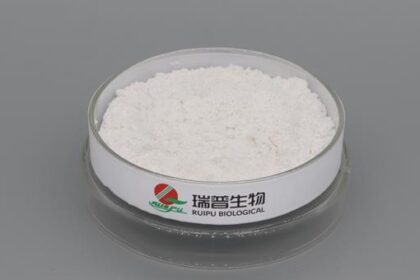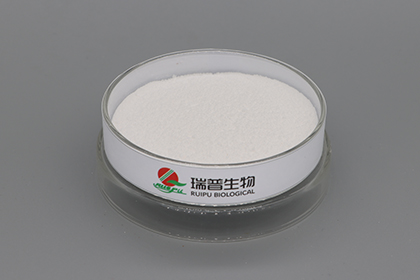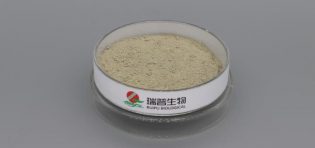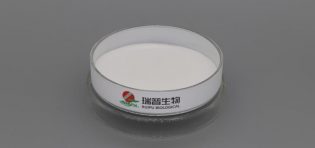
In the rapidly evolving landscape of functional foods and dietary supplements, iron fortification remains a critical focus for product developers aiming to address widespread nutritional gaps. Among the various iron sources available, Ammonia Ferric Citrate has emerged as a preferred choice for many formulators due to its favorable bioavailability and relatively neutral taste profile compared to traditional iron salts. As consumer demand for fortified functional beverages and liquid dietary supplements continues to rise, manufacturers are constantly seeking high-quality nutrient raw materials that can seamlessly integrate into complex formulations. However, working with this specific iron compound in liquid matrices presents unique technical hurdles that require a deep understanding of food chemistry and ingredient interactions.
The primary challenge that formulation scientists encounter when using Ammonia Ferric Citrate in liquid systems is its pronounced photosensitivity and potential for color instability. When exposed to light, particularly in clear or lightly colored beverage applications, this iron complex can undergo photochemical reactions that result in undesirable green or brownish color shifts. For B2B clients developing transparent sports drinks, functional waters, or liquid health supplement raw materials, this visual degradation is a major concern. Consumers often associate unexpected color changes with product spoilage or reduced efficacy, which can severely impact brand reputation and retail performance. Furthermore, without proper stabilization, the iron ions might interact with other beverage ingredients, such as polyphenols or certain vitamins, leading to precipitation, off-flavors, or a reduction in the overall nutritional value of the final product.
This brings us to a highly effective, yet frequently overlooked, formulation strategy that can significantly improve the stability of Ammonia Ferric Citrate in liquid applications. The secret lies in a precise combination of pH modulation and the strategic use of specific chelating agents, rather than simply relying on standard mixing protocols. By carefully adjusting the liquid matrix to a slightly acidic environment, typically maintaining a pH between 3.5 and 4.2, formulators can greatly enhance the stability of the iron complex. In addition to pH control, introducing a carefully calculated trace amount of a chelating agent, such as EDTA, or utilizing natural antioxidants like ascorbic acid, helps to sequester free iron ions and prevent them from participating in unwanted oxidative or photochemical reactions. For instance, a sports nutrition brand recently faced severe color fading issues in their clear, iron-fortified recovery water. By applying this exact pH and chelation strategy, coupled with specialized packaging, they successfully resolved the visual issue while preserving the clean taste profile of the drink.
| Formulation Aspect | Traditional Iron Salts | Ammonia Ferric Citrate | Optimization Strategy |
|---|---|---|---|
| Taste Profile | Strong metallic aftertaste | Relatively neutral taste | Minimal flavor masking needed |
| Bioavailability | Variable and often lower | High and favorable | Standard dosing applies |
| Photosensitivity | Low to moderate | High risk of color shifts | Use UV blockers or opaque packaging |
| Optimal pH Range | Varies widely | 3.5 to 4.2 | Buffer system to maintain pH |
| Stabilization Additives | Rarely required | Chelators or antioxidants | Add trace EDTA or ascorbic acid |
| Matrix Compatibility | Prone to precipitation | Good with stabilization | Avoid high polyphenol interactions |
Implementing this specialized stabilization technique offers immense practical value for manufacturers across the food, beverage, and dietary supplement sectors. By mastering this nuance, product developers can confidently incorporate Ammonia Ferric Citrate into a wider array of beverage ingredients without the constant fear of visual degradation or nutrient loss over the product's shelf life. This approach provides robust and reliable application solutions for creating iron-fortified energy drinks, wellness shots, and liquid multivitamins that maintain their aesthetic appeal and nutritional integrity from the production line to the retail shelf. This technical mastery also streamlines the manufacturing process, as it reduces batch rejection rates associated with color variations and precipitation issues during large-scale production runs.
Ultimately, the successful integration of Ammonia Ferric Citrate into modern nutritional products relies on moving beyond basic formulation practices and embracing targeted, science-driven techniques. By understanding the intricate chemical behavior of this iron source and applying the correct stabilization methods, manufacturers can overcome traditional formulation barriers and deliver superior, stable, and visually appealing products to the market. As the industry continues to innovate, staying informed about these specialized formulation strategies will be essential for B2B partners looking to maintain a competitive edge and consistently meet the high expectations of today's health-conscious consumers.
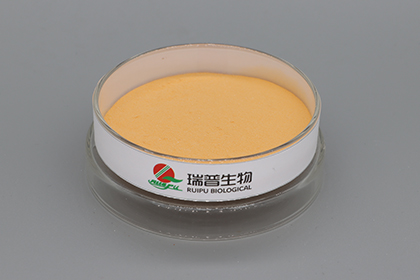
Frequently Asked Questions
Why is Ammonia Ferric Citrate preferred over other iron sources in liquid supplements?
It offers better bioavailability and a much more neutral taste profile compared to traditional iron salts. This makes it an excellent choice for functional beverages where flavor masking is a major challenge. Formulators love it because it does not leave that harsh metallic aftertaste that consumers typically dislike.
Additionally, it blends seamlessly into various liquid matrices without causing immediate precipitation. This allows product developers to create clear or lightly colored drinks that still deliver a solid nutritional punch.
What is the main challenge when formulating with Ammonia Ferric Citrate in clear beverages?
The biggest hurdle is its photosensitivity, which can lead to undesirable color shifts when exposed to light. If you put it in a clear bottle without proper stabilization, the liquid might turn green or brownish over time. Consumers usually mistake this visual change for spoilage, which can hurt your brand reputation.
Another issue is that free iron ions might interact with other ingredients like polyphenols or certain vitamins. This interaction can cause off-flavors or reduce the overall nutritional value of your final product if not managed correctly.
How can I stabilize Ammonia Ferric Citrate in my liquid formulations?
The secret trick involves a precise combination of pH modulation and the strategic use of specific chelating agents. You need to carefully adjust your liquid matrix to a slightly acidic environment, typically maintaining a pH between 3.5 and 4.
This specific range greatly enhances the stability of the iron complex.
You should also introduce a carefully calculated trace amount of a chelating agent or natural antioxidants like ascorbic acid. These additions help sequester free iron ions and prevent them from participating in unwanted oxidative or photochemical reactions during the shelf life of the product.