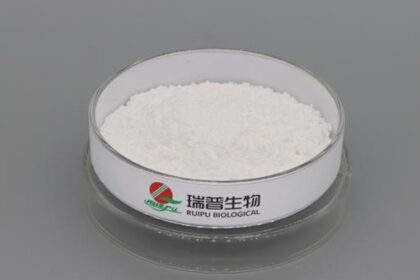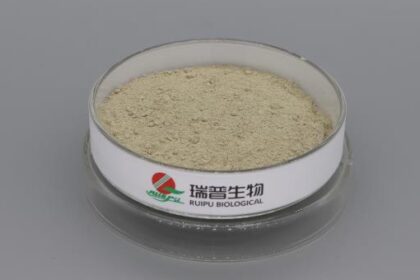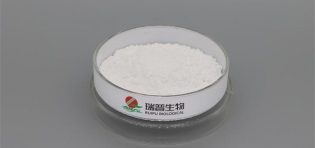
The global market for functional foods and dietary supplements is expanding rapidly, driving B2B manufacturers to seek high-quality nutrient raw materials that meet both rigorous nutritional standards and demanding sensory expectations. Among these essential minerals, Zinc Gluconate has emerged as a highly preferred functional ingredient due to its favorable absorption profile and gentle interaction with the human digestive system. Product developers across the beverage, food, and health sectors frequently select it to fortify their product portfolios and meet growing consumer demand for wellness-focused formulations. However, while the nutritional benefits of this compound are well-documented and widely accepted, the practical, day-to-day challenges of formulating with it remain a significant and often misunderstood hurdle for many production teams and contract manufacturers.
The primary obstacle that formulation scientists consistently face when working with Zinc Gluconate is its distinct metallic and astringent aftertaste, which becomes highly pronounced and difficult to hide in liquid applications and chewable formats. When integrating this mineral into beverage ingredients, developers often encounter a harsh, lingering flavor profile that quickly alienates consumers, especially in clear, lightly flavored drinks like vitamin waters, sports recovery beverages, or functional teas. Furthermore, improper handling and temperature mismanagement during the blending of health supplement raw materials can lead to slight precipitation, oxidation, or cloudiness, completely ruining the visual appeal of transparent liquids. Many manufacturers attempt to mask this undesirable taste by overloading the formula with artificial sweeteners, heavy synthetic flavors, or excessive acids, which ultimately compromises the clean-label positioning that modern health-conscious consumers actively demand. This persistent sensory and physical instability issue causes numerous promising product concepts to fail during the pilot scaling phase, leading to wasted resources and delayed product launches.
The industry secret that top-tier formulators utilize to overcome these complex challenges lies in a precise pH-adjusted matrix blending technique combined with targeted natural flavor modulation and temperature control. Instead of simply adding the raw zinc powder directly into the main mixing vat, experienced experts carefully control the pH level of the liquid base to remain slightly acidic, typically between 3.5 and 4.
| Application Type | Optimal pH Range | Recommended Masking Agent | Primary Formulation Benefit |
|---|---|---|---|
| Clear Functional Beverages | 3.5 to 4.2 | Citrus Hesperidin Extract | Eliminates metallic aftertaste and maintains visual clarity |
| Nutritional Gummies | 3.8 to 4.5 | Plant-Based Amino Acids | Preserves fruit flavors during the cooling curve process |
| Chewable Tablets | 4.0 to 4.8 | Natural Berry Extracts | Ensures pleasant mouthfeel and consistent flavor release |
| Sports Recovery Drinks | 3.5 to 4.0 | Pre-hydrated Citrus Base | Prevents oxidation and cloudiness in protein matrices |
This specific pH range optimizes the solubility of the zinc ions and prevents them from interacting aggressively with human taste receptors. Additionally, incorporating specific natural masking agents, such as hesperidin extracted from citrus peels or specialized plant-based amino acid blends, effectively binds to the metallic flavor compounds without altering the core nutritional profile. For instance, a leading sports nutrition brand recently reformulated their post-workout recovery drink by applying this exact pH-balancing application solution. By pre-hydrating the Zinc Gluconate in a mildly acidic, temperature-controlled citrus base before introducing it to the main protein and carbohydrate matrix, they completely eliminated the metallic aftertaste while maintaining a crystal-clear appearance. Similarly, in gummy manufacturing, controlling the cooling curve and integrating the zinc at a precise temperature prevents the degradation of fruit flavors, ensuring a clean taste profile.
Implementing these advanced formulation strategies transforms a potentially problematic ingredient into a highly versatile and valuable asset for comprehensive product development. For beverage manufacturers, mastering this technique allows for the creation of refreshing, high-zinc functional waters and energy drinks that boast a clean, crisp taste and excellent visual clarity throughout their entire shelf life. In the realm of gummies, chewable tablets, and nutritional bars, the same principles of pH control and natural masking ensure a pleasant mouthfeel and consistent flavor release, which is absolutely critical for daily consumer compliance in both adult and pediatric markets. By providing these tailored application solutions, ingredient suppliers empower B2B clients to accelerate their time-to-market, significantly reduce costly reformulation cycles, and deliver premium products that confidently stand out on crowded retail shelves.
As consumer expectations for taste, transparency, and functional efficacy continue to evolve at a rapid pace, the ability to expertly handle and formulate with functional ingredients like Zinc Gluconate will clearly separate industry leaders from the rest of the pack. Understanding the nuanced food chemistry behind taste-masking, solubility, and matrix stability is no longer just a minor technical advantage; it is a fundamental requirement for long-term success in the modern nutritional landscape. By leveraging specialized scientific knowledge and innovative application solutions, manufacturers can fully unlock the commercial and nutritional potential of their nutrient raw materials, ensuring that their final beverage and supplement products deliver both exceptional sensory experiences and reliable, consistent value to the end consumer.
Frequently Asked Questions (FAQ)
Why do formulators struggle with Zinc Gluconate in liquid beverages?
Formulators often face a major hurdle because this specific mineral tends to introduce a harsh metallic aftertaste that is very difficult to hide in clear liquids.
If the pH levels and blending temperatures are not strictly controlled during production, it can also cause unwanted cloudiness or precipitation that ruins the visual appeal of the final drink.
What is the secret technique to mask the metallic taste of this mineral?
The most effective industry secret involves using a precise pH-adjusted matrix blending technique combined with targeted natural flavor modulation.
By keeping the liquid base slightly acidic between 3.5 and 4.2 and adding natural masking agents like citrus hesperidin, manufacturers can completely neutralize the astringent flavor without relying on heavy artificial sweeteners.
How does this formulation approach benefit B2B supplement manufacturers?
Mastering these advanced blending strategies allows brands to create clean-label functional waters and chewable gummies that actually taste great and look perfectly clear.
This ultimately helps companies accelerate their time-to-market, significantly reduce costly reformulation cycles, and deliver premium products that easily stand out on crowded retail shelves.