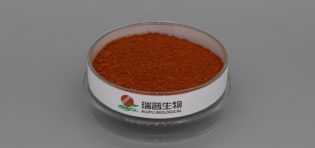
In the rapidly evolving landscape of functional foods and dietary supplements, iron fortification remains a critical focus for product developers. Among the various nutrient raw materials available, Ammonia Ferric Citrate stands out due to its excellent bioavailability and relatively mild impact on the gastrointestinal tract. Manufacturers frequently select this compound when formulating health-conscious products, ranging from fortified sports drinks to daily wellness shots. As consumer demand for clean-label and highly effective products grows, the integration of such functional ingredients has become a standard practice for brands looking to differentiate themselves in a crowded marketplace. However, successfully incorporating this specific iron source into complex matrices requires a deep understanding of its chemical behavior and precise processing conditions.
Despite its nutritional advantages, formulators consistently encounter two major hurdles when utilizing Ammonia Ferric Citrate in liquid applications. The most common complaint is the emergence of a distinct metallic aftertaste, which severely impacts the sensory profile of beverage ingredients. Additionally, product developers often notice undesirable color shifts, such as unexpected browning or darkening, particularly in clear or lightly colored formulations. Many research and development teams mistakenly attribute these issues to the inherent flaws of the raw material itself or attempt to mask the off-notes by overloading the formula with artificial flavors and heavy sweeteners. This conventional approach not only compromises the clean-label appeal of the product but also fails to address the root cause of the chemical instability, leading to shortened shelf life and inconsistent batch quality across different production runs.
The secret that a vast majority of formulators overlook lies in a specialized technique known as staggered thermal-shield integration. Instead of introducing the iron compound during the initial high-temperature pasteurization or high-shear mixing phases, this method dictates adding the Ammonia Ferric Citrate only after the base liquid has been cooled to exactly thirty-five degrees Celsius. At this specific temperature threshold, the kinetic energy is low enough to prevent the premature release of free iron ions, which are the primary culprits behind lipid oxidation and polyphenol binding. To further stabilize the compound, formulators should introduce a precise molar ratio of sodium citrate buffer alongside a micro-dose of fat-soluble ascorbyl palmitate just minutes before the final homogenization step. For instance, in a recent clear functional water project, a development team struggled with severe darkening after just two weeks on the shelf. By shifting the addition point to the cooling phase and employing this specific buffering ratio, they completely eliminated the color degradation and neutralized the metallic taste without altering the original delicate citrus flavor profile.
| Formulation Parameter | Traditional Method | Thermal-Shield Tip | Impact on Taste | Impact on Color Stability |
|---|---|---|---|---|
| Addition Temperature | Above 60°C during pasteurization | 30°C to 40°C during cooling phase | Reduces metallic aftertaste | Prevents premature browning |
| Buffering Agent | Standard citric acid | Precise molar ratio of sodium citrate | Neutralizes harsh off-notes | Stops chemical darkening |
| Antioxidant Type | Water-soluble ascorbic acid | Fat-soluble ascorbyl palmitate | Limits lipid oxidation | Maintains liquid clarity |
| Mixing Technique | High-shear blending with iron | Gentle fold-in before homogenization | Preserves delicate flavors | Enhances visual appeal |
| Shelf-life Stability | Degradation within weeks | Stable for over twelve months | Ensures consistent taste profile | Eliminates unexpected color shifts |
Implementing this precise integration strategy fundamentally transforms the way manufacturers handle supplement raw materials and complex beverage formulations. By preventing the premature oxidation of sensitive functional ingredients, brands can maintain the visual clarity and pristine taste profiles that modern consumers demand. This technical refinement allows for higher fortification levels without sacrificing sensory quality, thereby enabling the creation of more potent and effective nutritional products. Furthermore, mastering this technique provides research and development teams with reliable application solutions that reduce trial-and-error cycles, minimize ingredient waste, and accelerate the overall time-to-market for new product launches. For contract manufacturers, standardizing this protocol ensures consistent output and significantly reduces client complaints regarding taste variations, shifting the paradigm from merely masking defects to fundamentally engineering stability at the molecular level.
Navigating the complexities of modern nutritional formulation requires more than just selecting high-quality nutrient raw materials; it demands a meticulous approach to processing and integration. The staggered thermal-shield technique for Ammonia Ferric Citrate exemplifies how a subtle adjustment in manufacturing protocol can yield dramatic improvements in product quality and consumer satisfaction. As the industry continues to push the boundaries of what is possible in functional beverages and dietary supplements, staying informed about these nuanced technical strategies will be essential for brands aiming to deliver superior, stable, and highly bioavailable products to the global market.
Why does my iron-fortified beverage taste metallic, and how does this tip fix it?
A lot of formulators notice a harsh metallic aftertaste when they use Ammonia Ferric Citrate in their liquid supplements or sports drinks. This usually happens because the iron ions are released too early during the high-heat mixing process, which triggers oxidation and ruins the flavor profile.
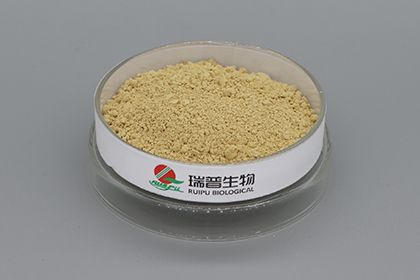
The secret trick we discussed involves waiting until your base liquid cools down to a temperature range between 30 and 40 degrees Celsius before adding the iron compound. By doing this, you drastically reduce the kinetic energy in the mixture, preventing those free iron ions from breaking loose and binding with your delicate flavor compounds.
Will this staggered thermal-shield method work for clear functional waters without causing color changes?
Yes, this method is actually a game-changer for clear beverages that are notorious for turning brown or dark when fortified with iron. When you introduce the nutrient raw materials at a lower temperature and pair them with a precise sodium citrate buffer, you stop the chemical reactions that cause those ugly color shifts.
We have seen development teams completely eliminate shelf-life darkening issues just by shifting the addition point to the cooling phase. This means you can maintain that pristine, crystal-clear look that modern consumers expect from their daily wellness shots and hydration drinks.
Do I need to change my entire manufacturing line to implement this temperature integration technique?
You definitely do not need to overhaul your whole production facility or buy expensive new machinery to make this work. Most modern beverage and supplement manufacturing lines already have precise temperature control and cooling tanks built into their standard processing workflow.
All you really need to do is adjust your standard operating procedures to hold the iron ingredient and the fat-soluble ascorbyl palmitate until the liquid hits that specific temperature threshold. It is a simple procedural tweak that saves you from wasting batches and dealing with client complaints about inconsistent taste.
Can I still use high-shear mixing if I apply this specific buffering ratio and temperature control?
You can absolutely still use high-shear mixing for your other functional ingredients and base components during the initial preparation stages. The key is simply to hold off on introducing the Ammonia Ferric Citrate and its specific buffering agents until after the heavy mechanical agitation and high-heat pasteurization are completely finished.
Once the liquid is cooled and the intense mixing is done, you can gently fold in the iron complex just minutes before your final homogenization step. This ensures the compound is evenly distributed throughout the beverage without being subjected to the destructive forces that cause premature degradation.