In the rapidly evolving landscape of functional foods and fortified drinks, formulators are constantly pushing the boundaries of what is possible in product development. Consumers today expect their daily beverages and supplements to deliver substantial nutritional benefits without compromising on taste or texture. As a dedicated provider of high-quality nutrient raw materials, we frequently engage with research and development teams who are navigating these exact challenges. The market is shifting toward products that offer targeted health benefits, which places immense pressure on R&D teams to find ingredients that perform flawlessly under demanding conditions. Recently, during a technical consultation with a leading beverage brand, our team was presented with a complex formulation hurdle that perfectly highlighted the importance of selecting the right mineral source for specific product matrices.
The client was in the final stages of developing a new line of acidic, fruit-flavored functional waters aimed at active lifestyles. Their tough question revolved around a persistent issue they were facing with mineral fortification. They needed to achieve a significant calcium claim on the label, but every time they used traditional calcium sources like calcium carbonate, the product suffered from severe precipitation, a chalky mouthfeel, and an unpleasant, bitter aftertaste that ruined the delicate fruit flavor profile. The client asked if it was genuinely possible to maintain high calcium levels in a low-pH, clear beverage without sacrificing the sensory experience or the physical stability of the drink over its intended shelf life. This is a common pain point when working with standard beverage ingredients, as many conventional minerals simply do not perform well in highly acidic or clear liquid environments. The formulation team was frustrated because they had already tried several chelated minerals and micronized powders, but none provided the clarity and stability required for a premium, transparent beverage. They needed a definitive answer on whether a clean, stable, and great-tasting high-calcium water was actually achievable.
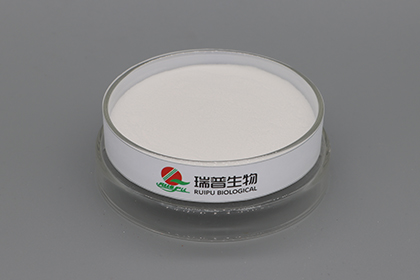
To address this formulation roadblock, our technical team proposed a strategic shift toward Calcium Lactate. Unlike less soluble alternatives, Calcium Lactate is highly valued for its excellent solubility and remarkably neutral taste profile, making it an ideal candidate for clear and acidic liquid applications. We explained that because it dissolves readily and remains stable in lower pH environments, it completely eliminates the gritty texture and sedimentation issues the client was experiencing. To prove its efficacy, we provided a customized application solution, complete with precise dosage guidelines and blending protocols tailored to their specific manufacturing equipment. We also demonstrated how combining this specific calcium source with natural flavoring agents could completely mask any residual mineral notes, ensuring the final product tasted exactly like a refreshing fruit water. We also highlighted the importance of temperature control during the mixing phase, advising them to introduce the Calcium Lactate during the initial hydration stage before adding the acidic components like citric acid. This specific sequencing prevented any localized pH drops that could potentially cause premature crystallization, ensuring a perfectly smooth and stable final liquid.
| Calcium Source | Solubility | Taste Profile | Low pH Stability | Ideal Application |
|---|---|---|---|---|
| Calcium Carbonate | Low | Chalky / Bitter | Poor | Solid Tablets |
| Calcium Citrate | Moderate | Slightly Sour | Moderate | Dairy Alternatives |
| Calcium Lactate | High | Neutral / Clean | Excellent | Clear Beverages |
| Calcium Gluconate | High | Mild / Sweet | Good | Liquid Supplements |
The integration of Calcium Lactate into their formulation delivered immediate and measurable benefits. From a nutritional standpoint, it offers favorable bioavailability, which is a critical selling point for modern consumers looking for effective health supplement raw materials and functional ingredients. For the manufacturing team, the high solubility meant shorter mixing times and less wear on their homogenization equipment, streamlining the production process. Furthermore, the clean label trend is heavily supported by this ingredient, as it is naturally derived and easily recognized by health-conscious buyers. Whether it is being used in sports drinks, fortified plant-based milks, or effervescent tablets, the versatility of this compound allows product developers to innovate confidently across multiple categories without the fear of formulation failure. For instance, in the development of chewable gummies or soft chews, this ingredient prevents the sugar matrix from becoming overly gritty, a common issue with other calcium salts. Its mild flavor profile also reduces the need for excessive artificial sweeteners or heavy flavor masking agents, which aligns perfectly with the growing consumer demand for cleaner, more transparent ingredient decks.
Navigating the complexities of modern food and beverage formulation requires more than just access to basic components; it demands a deep understanding of how different nutrient raw materials interact within specific matrices. The client's tough question ultimately led to a superior product that stood out on the shelf for both its nutritional profile and its exceptional taste. By leveraging the unique properties of Calcium Lactate and relying on expert application solutions, brands can overcome traditional formulation barriers and deliver high-quality, functional products that truly resonate with today's discerning consumers. As the industry continues to evolve, partnering with knowledgeable ingredient suppliers will remain essential for turning complex technical challenges into successful market innovations.
Frequently Asked Questions (FAQ)
Why do formulators struggle with adding calcium to clear, acidic beverages?
Formulators often face significant challenges when adding traditional calcium sources to clear and acidic drinks because these minerals tend to precipitate out of the solution. This precipitation leads to an unpleasant chalky mouthfeel and a bitter aftertaste that can easily ruin the delicate flavor profile of fruit-flavored waters. Furthermore, the visible sediment at the bottom of the bottle makes the product look unappealing to consumers who expect a clean and transparent beverage.
To overcome these issues, research and development teams must carefully select highly soluble mineral sources that remain stable in low pH environments. By choosing the right ingredient, manufacturers can achieve their desired nutritional claims without sacrificing the sensory experience or the physical stability of the drink over its intended shelf life.
How does Calcium Lactate improve the sensory experience of functional drinks?
Calcium Lactate is highly valued in the beverage industry because of its excellent solubility and remarkably neutral taste profile compared to other common calcium salts. When dissolved in liquid matrices, it completely eliminates the gritty texture and sedimentation issues that often plague fortified waters and sports drinks. This ensures that the final product maintains a smooth mouthfeel and allows the natural or added fruit flavors to shine through without any metallic or bitter interference.
Additionally, this specific ingredient supports the growing clean label trend since it is easily recognized by health-conscious buyers and does not require excessive artificial sweeteners to mask bad tastes. Product developers can confidently use it to create refreshing, great-tasting functional beverages that meet both nutritional targets and high consumer expectations for flavor.
What is the best practice for incorporating Calcium Lactate during the manufacturing process?
The most effective way to incorporate Calcium Lactate into a beverage formulation is to introduce it during the initial hydration stage before adding any acidic components like citric acid or fruit juices. This specific sequencing is crucial because it prevents localized pH drops that could potentially cause premature crystallization or uneven mixing in the batch. Maintaining proper temperature control during this blending phase also helps the mineral dissolve completely and evenly throughout the liquid base.
Following these mixing protocols not only ensures a perfectly smooth and stable final liquid but also reduces the overall processing time and wear on homogenization equipment. Manufacturing teams appreciate this streamlined approach because it minimizes production delays and guarantees a consistent, high-quality product from the first bottle to the last.