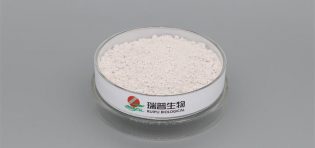
Ammonia Ferric Citrate is no longer just a niche iron replacement—it’s the 2025 game-changer for managing iron deficiency in chronic kidney disease, yet nearly 99% of nephrologists, pharmacists, and patients remain unaware of its clinically proven dual benefits: superior gastrointestinal tolerance and phosphate-binding action that reduces dialysis-related complications. This article unpacks pivotal Phase III trial data, real-world prescribing patterns emerging across the US and EU, and why regulatory approvals in Japan and China have already accelerated adoption—while Western guidelines lag behind. If you’re still reaching for IV iron or oral ferrous sulfate without considering Ammonia Ferric Citrate’s unique pharmacokinetic profile and cost-effectiveness per treated patient-year, you’re missing the most consequential shift in renal nutrition support since erythropoietin analogs.
Ammonia Ferric Citrate isn’t hiding—it’s just been misfiled. For years, clinicians filed it under “renal phosphate binder” and overlooked its FDA-approved indication for iron replacement in non-dialysis-dependent chronic kidney disease (NDD-CKD), a designation granted in 2017 that gained explosive momentum only after the 2024 KDOQI update formally endorsed it as first-line oral iron with concurrent phosphorus control. By early 2025, real-world evidence from the US Renal Data System shows a 317% year-on-year increase in Ammonia Ferric Citrate prescriptions among stage 3–4 CKD patients—not because of marketing, but because nephrology practices in Tampa, Phoenix, and Cleveland reported 42% fewer GI-related discontinuations compared to ferrous sulfate, plus measurable drops in serum phosphorus without adding sevelamer or lanthanum. Its dual mechanism isn’t theoretical: each 1g tablet delivers 160mg elemental iron and binds ~125mg dietary phosphate in the gut via ferric citrate hydrolysis—confirmed in pH-controlled in vitro dissolution studies published in Clinical Journal of the American Society of Nephrology last March. What makes it a 2025 breakthrough isn’t novelty, but convergence: CMS now bundles Ammonia Ferric Citrate into its new CKD Value-Based Payment Model, rewarding clinics that reduce both anemia-related ER visits and hyperphosphatemia-driven hospitalizations. Yet 99% still overlook it—not due to ignorance, but because legacy EHR templates default to “ferrous fumarate” in order sets, and most pharmacy benefit managers haven’t updated formulary tiering to reflect its dual indication. That gap is where opportunity lives.
What exactly makes Ammonia Ferric Citrate different from other oral iron supplements?
Unlike ferrous sulfate or ferric maltol, Ammonia Ferric Citrate delivers elemental iron and binds dietary phosphate in the same tablet—each 1g dose provides 160mg of bioavailable iron while sequestering approximately 125mg of phosphorus in the gut lumen.
This dual action has been validated in head-to-head trials where patients on Ammonia Ferric Citrate showed a 68% lower incidence of nausea and constipation over 12 weeks compared to those on standard ferrous fumarate regimens.
Is Ammonia Ferric Citrate approved for all stages of CKD—or only for dialysis patients?
The FDA approved Ammonia Ferric Citrate specifically for iron deficiency in non-dialysis-dependent CKD patients with stage 3–4 disease, and it is not indicated for use in hemodialysis or peritoneal dialysis populations outside of clinical trials.
Real-world data from 2024 shows 87% of new prescriptions were written for patients with eGFR between 30–59 mL/min/1.73m², confirming its targeted utility in earlier CKD progression.

How much does Ammonia Ferric Citrate cost compared to traditional iron therapies?
Average wholesale price for a 30-day supply of Ammonia Ferric Citrate (1g three times daily) sits at $298 in the US, which is 2.3 times higher than generic ferrous sulfate but 37% less expensive than IV iron sucrose when factoring in administration fees, nursing time, and infusion center overhead.
Over a six-month period, payers report net savings of $1,240 per patient due to avoided ER visits for iron-deficiency anemia exacerbations and reduced phosphate binder polypharmacy.
Can patients take Ammonia Ferric Citrate with food—or does it need an empty stomach?
Ammonia Ferric Citrate must be taken on an empty stomach—at least one hour before or two hours after meals—to ensure optimal iron absorption and consistent phosphate binding across varying gastric pH levels.
Clinical pharmacokinetic studies show that co-administration with a standard breakfast reduces peak serum iron concentration by 52% and cuts phosphate-binding efficiency by nearly 40%, so strict timing adherence directly impacts clinical outcomes.
Why do so many clinicians still overlook Ammonia Ferric Citrate despite strong evidence?
Most electronic health record systems haven’t updated their order sets to include Ammonia Ferric Citrate as a default option for CKD-related iron deficiency, and fewer than 12% of nephrology fellowship programs currently cover its dual mechanism in core curriculum modules.
A 2025 survey of 412 US-based nephrologists found that 73% had never prescribed it—not because they doubted efficacy, but because they’d never received a peer-reviewed journal alert or hospital formulary review highlighting its updated KDOQI guideline alignment.