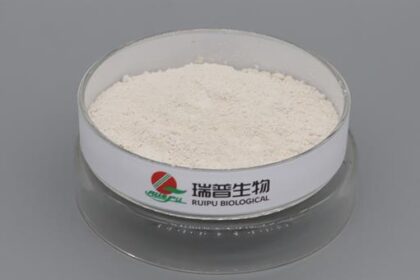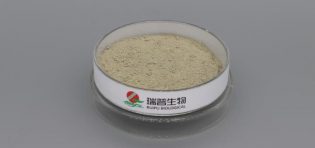
The global market for fortified foods and dietary supplements continues to expand, driving a significant increase in the demand for high-quality nutrient raw materials. Among these, iron remains one of the most critical functional ingredients for addressing widespread nutritional gaps in various populations. When formulators begin developing new products, they frequently encounter a critical decision regarding which iron source to utilize. The two most prominent options in the industry are Ammonia Ferric Citrate and Ferrous Sulfate. Both serve as effective health supplement raw materials and beverage ingredients, yet they possess distinctly different chemical properties that dictate their ideal use cases. Understanding these differences is essential for creating successful, consumer-friendly products that stand out in a highly competitive marketplace.
The primary challenge in iron fortification lies in balancing bioavailability with sensory and physical stability. Ferrous Sulfate is widely recognized for its high elemental iron content and strong absorption rates, making it a traditional favorite for many manufacturers. However, it is highly reactive. When introduced into complex food matrices, Ferrous Sulfate can catalyze lipid oxidation, leading to off-flavors, rancidity, and undesirable color changes. Furthermore, it often causes gastrointestinal discomfort for sensitive consumers, which can lead to poor compliance in daily supplementation routines. On the other hand, while Ammonia Ferric Citrate offers strong stability and a much milder sensory profile, its lower elemental iron percentage and different absorption pathway require formulators to carefully adjust their dosage and formulation strategies. Choosing the wrong compound can result in a product that either tastes metallic, degrades rapidly on the retail shelf, or fails to meet the desired nutritional targets.
To resolve this formulation dilemma, product developers must evaluate the specific physical and chemical environment of their target matrix. If the product is a dry, solid dosage form like a compressed tablet or a hard capsule, Ferrous Sulfate can be a highly suitable choice, especially when paired with protective coatings or stabilizing agents that prevent oxidation and mask the metallic taste. Conversely, when working with liquid applications, Ammonia Ferric Citrate emerges as a highly stable option. Its complex molecular structure keeps the iron tightly bound, preventing it from interacting with sensitive vitamins, proteins, or flavor compounds in the liquid. By carefully matching the iron source to the specific product format, manufacturers can develop customized application solutions that maximize both shelf life and consumer acceptance while adhering to regional regulatory guidelines.
| Property | Ammonia Ferric Citrate | Ferrous Sulfate |
|---|---|---|
| Elemental Iron Content | Lower percentage | Higher percentage |
| Sensory Profile | Mild with minimal metallic taste | Strong metallic taste |
| Chemical Stability | Highly stable, prevents oxidation | Highly reactive, promotes oxidation |
| Gastrointestinal Tolerance | Gentle on the stomach | May cause discomfort |
| Ideal Application Format | Liquids, dairy, and clear beverages | Dry tablets and hard capsules |
Let us look at practical scenarios to illustrate this decision-making process. Imagine a company developing a clear, fruit-flavored sports drink. Using Ferrous Sulfate in this beverage ingredient mix would likely cause the liquid to turn cloudy or dark, while also degrading the added vitamin C through oxidation. By switching to Ammonia Ferric Citrate, the formulator maintains the bright, clear appearance and preserves the delicate fruit flavor, ensuring a premium consumer experience without the need for heavy masking agents. In another scenario, a manufacturer is creating a high-potency iron tablet designed for specific demographic groups with high iron demands. Here, Ferrous Sulfate is highly appropriate because the solid matrix naturally limits oxidation, and the high elemental iron yield allows for a smaller, easier-to-swallow pill. Additionally, when formulating dairy-based nutritional shakes, Ammonia Ferric Citrate prevents the undesirable lipid oxidation that ferrous salts might trigger in milk proteins. In all these cases, selecting the right nutrient raw materials directly impacts the commercial success and functional integrity of the final product.
Ultimately, there is no single perfect iron source for every product. The choice between Ammonia Ferric Citrate and Ferrous Sulfate depends entirely on the specific formulation requirements, target audience, and desired sensory attributes. By thoroughly understanding the unique characteristics of these functional ingredients, food and supplement brands can avoid common formulation pitfalls. Partnering with experienced suppliers who provide tailored application solutions and technical support ensures that your final product not only meets rigorous nutritional standards but also delivers an exceptional sensory experience to the end consumer. As the global food and beverage industry continues to evolve toward cleaner labels and more functional benefits, making informed, science-based decisions about health supplement raw materials and beverage ingredients will remain a fundamental cornerstone of successful product innovation.
Frequently Asked Questions
Why do so many manufacturers still use Ferrous Sulfate if it can cause taste issues?
Ferrous Sulfate has been the industry standard for decades mainly because it offers a very high percentage of elemental iron. This means you need less of the raw material to hit your target nutritional claims, which keeps production costs down significantly.
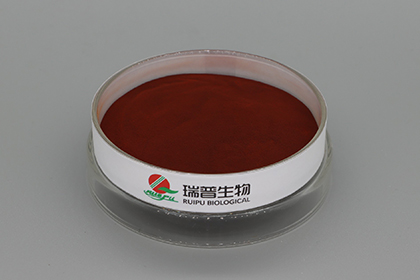
It is also highly bioavailable, meaning the human body absorbs it quite efficiently when taken on an empty stomach. For solid formats like coated tablets or hard capsules where the metallic taste can be easily masked, it remains a highly practical and cost-effective choice for many brands.
In what specific situations should I choose Ammonia Ferric Citrate for my formulation?
You should definitely lean towards Ammonia Ferric Citrate when you are working on liquid applications like fortified beverages, nutritional shots, or dairy-based shakes. Its complex molecular structure keeps the iron tightly bound, preventing it from reacting with sensitive vitamins or causing the liquid to develop an unpleasant metallic flavor.
This specific iron source is also much gentler on the digestive system compared to traditional ferrous salts. If your target audience includes people with sensitive stomachs or if you are developing a premium product where clean taste and high physical stability are top priorities, this ingredient will serve you much better.
Is it a good idea to blend both iron sources together in one supplement?
While it is technically possible to blend them, most formulators prefer to stick to just one iron source to keep the ingredient list clean and the manufacturing process straightforward. Mixing them can sometimes lead to unpredictable interactions, especially if your product contains moisture or sensitive active ingredients like vitamin C.
If you do decide to combine them, you will need to run extensive stability testing over a period of 12 to 24 months to ensure the final product does not degrade or change color. It is usually much safer and more efficient to select the single best compound that aligns with your specific delivery format and target consumer needs.
Will my choice of iron ingredient change the shelf life of my food or supplement?
Your choice of iron absolutely plays a massive role in determining how long your product will stay fresh and visually appealing on the retail shelf. Ferrous Sulfate is a strong pro-oxidant, which means it can accelerate the degradation of fats and certain vitamins, potentially shortening the shelf life of complex food matrices.
On the flip side, Ammonia Ferric Citrate is highly stable and does not readily promote oxidation, making it ideal for products that need to maintain a long shelf life without relying on heavy artificial preservatives. Choosing the right stable ingredient from the start will save you a lot of headaches regarding product recalls or customer complaints about off-flavors.