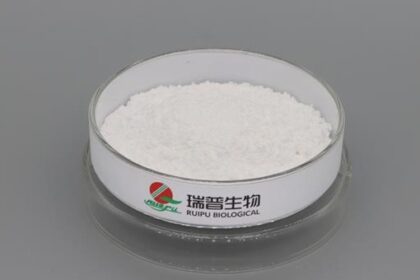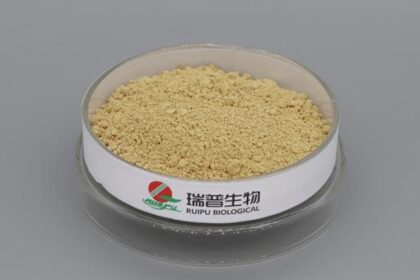
The global market for fortified foods and dietary supplements is expanding rapidly, driven by increasing consumer awareness of nutritional deficiencies and proactive health management. Among the various functional ingredients available to formulators, iron remains a critical focus for public health and product development. Ferric Sodium Edetate has emerged as a highly preferred iron source due to its excellent stability and high bioavailability. For B2B clients in the food, beverage, and supplement sectors, securing a consistent supply of this specific compound is often a top priority. As industry dynamics shift toward cleaner labels and more effective fortification, understanding the nuances of this ingredient is essential for long-term product success.
However, sourcing and formulating with iron compounds often present significant technical hurdles for product developers. When integrating nutrient raw materials into complex matrices, manufacturers frequently encounter issues such as metallic off-tastes, undesirable color changes, and nutrient degradation over the product's shelf life. This is particularly challenging when working with beverage ingredients, where the aqueous environment can accelerate oxidation and compromise the sensory profile of the final drink. Similarly, in the realm of health supplement raw materials, achieving uniform blending and ensuring consistent dosage without causing gastrointestinal discomfort requires precise material specifications. Many brands struggle to find suppliers who can provide not just the raw chemical, but also the technical support needed to overcome these formulation barriers.
To address these formulation challenges, leading nutrient manufacturers are now offering comprehensive application solutions rather than just selling raw powders. By employing advanced processing techniques, such as precise particle size distribution control and tailored moisture management, suppliers can significantly enhance the dispersibility and stability of Ferric Sodium Edetate. For instance, optimizing the physical properties of the powder ensures that it dissolves smoothly in liquid systems without leaving a gritty mouthfeel or precipitating at the bottom of the bottle during prolonged storage. Furthermore, professional manufacturers conduct rigorous compatibility testing with various bases, providing formulators with data-backed guidelines on pH thresholds, temperature limits, and synergistic blending with other vitamins to enhance overall absorption. This proactive approach transforms a standard raw material into a highly reliable functional ingredient that seamlessly integrates into modern manufacturing lines.
| Application Sector | Product Type | Key Benefit | Stability Level |
|---|---|---|---|
| Beverages | Clear Drinks | No metallic taste | High |
| Beverages | Plant-based Milks | Prevents fat oxidation | High |
| Food | Fortified Flour | Heat resistance | High |
| Food | Breakfast Cereals | No color change | High |
| Supplements | Tablets | High bioavailability | High |
| Supplements | Powder Blends | Good dispersibility | High |
The practical value of these optimized application solutions becomes evident in real-world production scenarios across different categories. Consider a sports nutrition company aiming to launch a clear, fruit-flavored hydration drink fortified with iron to support athletic recovery. Using standard iron salts would likely result in a cloudy appearance and a harsh metallic aftertaste, immediately alienating health-conscious consumers. By utilizing high-purity Ferric Sodium Edetate supported by specialized technical guidance, the formulators can maintain the beverage's crystal-clear transparency and refreshing flavor profile without compromising the iron content. Another compelling scenario involves plant-based milk alternatives, where iron fortification is crucial to match the nutritional profile of traditional dairy. The right grade of Ferric Sodium Edetate prevents the oxidation of delicate plant fats, thereby avoiding rancidity and extending the product's shelf life while delivering the intended nutritional benefits smoothly.
Looking ahead, the market trend for iron-fortified products will continue to emphasize sensory quality alongside nutritional efficacy. Sourcing Ferric Sodium Edetate is no longer just about finding the lowest price per kilogram; it is about partnering with manufacturers who understand the intricate science of food and supplement formulation. By prioritizing high-quality nutrient raw materials and leveraging expert application solutions, brands can confidently innovate in the competitive landscape of functional foods and beverages. Ultimately, a reliable supply chain and robust technical support are the foundational pillars for developing successful, consumer-approved fortified products in today's dynamic market.
Frequently Asked Questions
Why is Ferric Sodium Edetate considered a better choice for beverage fortification compared to other iron sources?
Ferric Sodium Edetate is highly favored in the beverage industry because it offers exceptional stability in liquid environments without causing unwanted metallic off-tastes or color changes.
This specific functional ingredient maintains its integrity across a wide pH range, typically between 3 and 7, ensuring that your final drink remains visually appealing and delicious for consumers.
How does this iron source improve the bioavailability of dietary supplements?
When formulating dietary supplements, achieving high absorption rates is crucial for delivering real nutritional value to the end user.
Ferric Sodium Edetate protects the iron ion from binding with dietary inhibitors like phytates in the digestive tract, which can significantly enhance overall absorption rates by 2 to 3 times compared to traditional iron salts.
What should B2B buyers look for when sourcing high-quality Ferric Sodium Edetate?
Sourcing the right nutrient raw materials goes beyond just checking the price per kilogram, as you need a supplier who provides consistent particle size and moisture control.
Reliable manufacturers will also offer comprehensive application solutions and technical support to help you seamlessly integrate this ingredient into your specific food or supplement matrix without facing precipitation issues.
Can Ferric Sodium Edetate be used in plant-based milk alternatives without affecting the flavor?
Fortifying plant-based milks is often tricky because standard iron compounds can easily oxidize delicate plant fats and create a rancid or metallic flavor profile.
By utilizing high-purity Ferric Sodium Edetate, formulators can effectively prevent this oxidation process, allowing the beverage to retain its natural taste while delivering the essential iron content that modern consumers expect.