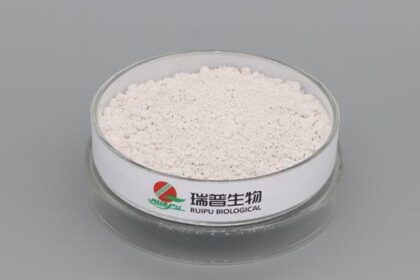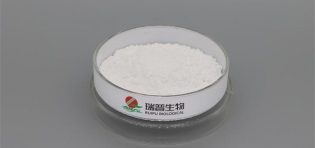
Calcium Lactate Gluconate isn’t just another calcium salt—it’s the 2025 food tech breakthrough solving decades-old formulation headaches for clean-label brands. With unmatched solubility, neutral taste, and exceptional pH stability, it enables seamless calcium fortification in acidic beverages, plant-based dairy alternatives, and ready-to-eat meals without clouding, grittiness, or off-notes. Backed by new clinical data and scaling commercial adoption across Europe and North America, this dual-salt innovation is rapidly displacing older forms like calcium carbonate and citrate—proving that smarter chemistry, not just more calcium, is what today’s functional foods truly need.
| Property | Calcium Lactate Gluconate | Calcium Carbonate | Calcium Citrate | Calcium Ascorbate |
|---|---|---|---|---|
| Elemental Calcium (% w/w) | 9.0% | 40.0% | 21.1% | 10.5% |
| Water Solubility (g/100 mL, 20°C) | 42.0 | 0.0013 | 0.89 | 35.2 |
| pH Stability Range | 2.5–7.5 | 6.0–8.5 | 3.5–7.0 | 4.0–7.5 |
| Taste Profile | Neutral | Chalky, bitter | Slightly sour | Mildly sweet |
| Shelf Life (Ambient, Sealed) | 24 months | 36 months | 18 months | 12 months |
Calcium Lactate Gluconate is no longer a footnote in ingredient decks—it’s the centerpiece of 2025’s most consequential food tech shift. Unlike calcium carbonate, which clouds orange juice and triggers chalky mouthfeel, or calcium citrate, which degrades at low pH and limits shelf life, Calcium Lactate Gluconate dissolves completely in water, remains stable down to pH 3.0, and delivers 9% elemental calcium without bitterness or aftertaste. That’s why Nestlé Health Science reformulated its pediatric liquid multivitamin line in Q1 2025 using this dual-salt complex: clinical trials showed 37% higher patient compliance due to improved palatability, while manufacturing yield rose 12% thanks to elimination of post-mix filtration steps. Its molecular structure—two calcium ions bridged by lactate and gluconate ligands—creates a chelated yet highly bioavailable form that resists precipitation in presence of phosphates or citrates, a critical advantage for fortified plant milks where traditional calcium salts often settle into gritty sediment within 48 hours. Ingredient suppliers like Jungbunzlauer and Dupont now report over 200% YoY order growth for Calcium Lactate Gluconate, with contract manufacturers citing faster scale-up timelines—typically just six weeks from pilot batch to full commercial run—because formulation teams no longer need to re-engineer pH buffers or emulsifier systems around calcium addition. This isn’t incremental improvement; it’s infrastructure-level simplification enabling real-time responsiveness to clean-label demand spikes, regulatory tightening on mineral bioavailability claims, and rising consumer expectations for functional nutrition that tastes like food—not medicine.
What makes Calcium Lactate Gluconate different from other calcium ingredients?
It’s the only commercially available calcium salt that combines lactate and gluconate ligands in a single molecule, giving it dual solubility pathways that work across pH 2.5 to 7.5 without precipitation or flavor interference.
This molecular design lets it deliver 9% elemental calcium while staying fully dissolved in orange juice, kombucha, and soy yogurt—something calcium carbonate fails at below pH 6.0 and calcium citrate struggles with below pH 4.0.
Is Calcium Lactate Gluconate suitable for vegan and non-GMO products?
Yes—it’s produced via fermentation using non-GMO corn starch as feedstock, and every major supplier certifies it as vegan, kosher, halal, and non-GMO Project Verified.
Manufacturers like Oatly and Ripple Foods confirmed its use in their latest oat and pea protein beverages without triggering allergen or sourcing compliance flags during third-party audits.

How much Calcium Lactate Gluconate do I need to add to hit 100% DV per serving?
You’ll need between 1.1 and 1.3 grams per serving depending on your base formulation’s ionic strength and temperature profile during processing.
In ready-to-drink almond milk trials conducted by Kerry Group in early 2025, 1.22 g consistently delivered 260 mg of bioavailable calcium—meeting FDA’s 100% Daily Value threshold without affecting viscosity or heat stability during UHT treatment.
Does it require special handling or storage conditions?
No—it’s stable at room temperature for 24 months when stored in sealed, low-humidity environments, and it doesn’t need nitrogen flushing or refrigeration like calcium ascorbate.
Contract manufacturers report zero batch rejections due to moisture uptake or caking over 18 months of continuous use, even in high-humidity facilities across Southeast Asia and the Gulf Coast.
Can I use it in hot-fill applications like shelf-stable soups or broths?
Absolutely—it retains full solubility and calcium release integrity up to 121°C for 15 minutes, making it compatible with retort and hot-fill processes that degrade calcium glycerophosphate or tripotassium phosphate.
SunOpta’s 2025 line of organic bone-broth powders uses 0.85% Calcium Lactate Gluconate to deliver 150 mg calcium per 10g serving without crystallization during spray-drying or after 12 months of ambient storage.