Looking at the current industry background, the global market for fortified foods and dietary supplements continues to expand at a steady pace, driven by growing consumer awareness of bone health, muscle function, and overall wellness. As brands strive to meet this rising demand, selecting the optimal calcium source remains a critical decision for product developers and nutritional scientists. Historically, calcium carbonate has been the undisputed industry standard due to its high elemental calcium concentration and general cost-effectiveness. However, as modern consumer preferences shift heavily toward cleaner labels, better sensory experiences, and highly bioavailable formats, manufacturers are actively re-evaluating their traditional choices. This ongoing shift brings calcium lactate into the spotlight, prompting a vital industry discussion regarding which compound will ultimately dominate future nutritional formulations.
The core formulation problem arises because, while calcium carbonate is undeniably widespread, it presents several technical and physiological challenges that can severely limit its application in modern, premium product lines. From a strict formulation perspective, calcium carbonate exhibits very low water solubility, which frequently leads to sedimentation, phase separation, and a distinctly chalky mouthfeel in liquid products. This physical limitation makes it exceptionally difficult to utilize in clear drinks, delicate beverage systems, or high-protein shakes. Furthermore, when calcium carbonate interacts with acidic environments, such as fruit juices, it can release carbon dioxide gas, potentially causing packaging to swell or burst. Physiologically, calcium carbonate requires a highly acidic environment, specifically ample stomach acid, for optimal breakdown and absorption. This requirement can cause gastrointestinal discomfort, such as bloating, gas, or constipation, for a notable segment of consumers, particularly older adults or those taking supplements on an empty stomach. For B2B clients looking to create premium, easily digestible products, these formulation and tolerability limitations pose a significant hurdle.
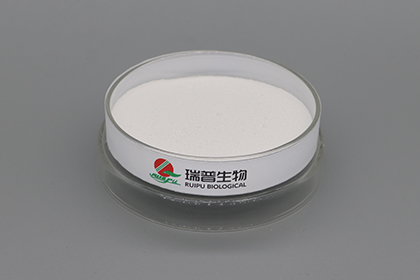
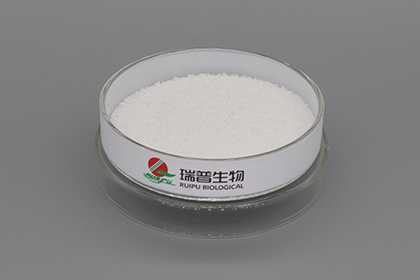
The technical solution to these challenges is found in calcium lactate, as an increasing number of forward-thinking manufacturers are turning to it as a highly effective and versatile alternative. Calcium lactate is a calcium salt of lactic acid that offers significantly higher water solubility and a much more favorable dissolution profile compared to carbonate. This unique physical property allows it to dissolve readily in aqueous systems, effectively preventing the gritty texture and precipitation issues that frequently plague liquid formulations. Additionally, because it does not rely heavily on stomach acid for initial breakdown, it is generally recognized as being much gentler on the digestive system, minimizing the risk of gastrointestinal distress. By integrating high-quality nutrient raw materials like calcium lactate into their global supply chains, companies can successfully overcome the traditional barriers of calcium fortification and create smoother, more consumer-friendly products that stand out on crowded retail shelves.
| Feature | Calcium Carbonate | Calcium Lactate | Ideal Application |
|---|---|---|---|
| Elemental Calcium | High (approx. 40%) | Moderate (approx. 13%) | Standard pills vs. Gummies |
| Water Solubility | Low | High | Dry tablets vs. Clear beverages |
| Digestive Tolerability | May cause bloating | Gentle on stomach | Take with meals vs. Anytime |
| Taste and Mouthfeel | Chalky and gritty | Smooth and neutral | Basic capsules vs. Chewables |
In terms of practical application value, the benefits of calcium lactate shine through in various specific scenarios across both the food and supplement sectors. In the fast-paced beverage industry, it serves as an excellent choice among beverage ingredients for fortifying clear juices, isotonic sports drinks, and plant-based milks without compromising the visual appeal, flavor profile, or texture of the final drink. For instance, a formulator developing a transparent, vitamin-enhanced water can confidently use calcium lactate to maintain perfect liquid clarity, whereas carbonate would inevitably turn the drink cloudy and alter the taste. In the rapidly growing realm of dietary supplements, it is increasingly favored as one of the premier health supplement raw materials for chewable tablets, functional gummies, and effervescent powders, where a neutral taste and smooth mouthfeel are absolutely paramount. As a highly versatile source of functional ingredients, it allows brands to market products that are both easily absorbed and pleasant to consume daily. To help our B2B clients maximize these inherent benefits, our dedicated technical teams provide comprehensive application solutions, guiding formulators on optimal dosage calculations, synergistic blending with vitamin D3 and K2, and rigorous stability testing to ensure the final product consistently meets the highest quality standards.
In conclusion, while calcium carbonate will likely retain its established place in certain cost-sensitive and solid-dosage applications, calcium lactate is rapidly emerging as a preferred, strategic choice for premium, liquid, and easily digestible nutritional formulations. Its superior solubility, neutral sensory profile, and gentle digestive characteristics align perfectly with current market trends toward high-quality, user-centric nutrition and clean-label products. As the broader food and supplement industry continues to evolve, formulators who leverage the unique technical advantages of calcium lactate will be exceptionally well-positioned to innovate and capture the attention of discerning, health-conscious consumers. By staying informed about these critical ingredient dynamics, B2B partners can make strategic, forward-looking decisions that drive long-term product success and brand loyalty in an increasingly competitive global marketplace.
Frequently Asked Questions
Why has calcium carbonate been the go-to choice for so many supplement brands over the years?
Calcium carbonate has basically been the undisputed king of the supplement world for a long time because it packs a really high amount of elemental calcium per gram. This means manufacturers can put a solid dose into a smaller pill, which consumers generally prefer since nobody wants to swallow a dozen huge tablets every morning.
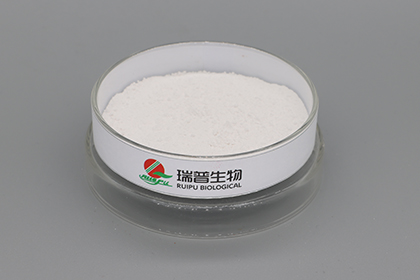
On top of the high concentration, it is also incredibly cost-effective to source and process on a massive scale. When you are producing millions of bottles of basic daily vitamins, keeping the raw material costs down while still delivering a reliable product makes it a very safe and profitable bet for most companies.
What exactly makes calcium lactate stand out as a potential future top pick for modern formulations?
The biggest selling point for calcium lactate is its fantastic water solubility and how gentle it is on the human digestive system. Unlike carbonate, which needs a lot of stomach acid to break down properly and can cause some uncomfortable bloating, lactate dissolves easily and absorbs smoothly without causing that heavy, chalky feeling in your gut.
This unique physical property makes it an absolute game-changer for liquid products like clear juices, sports drinks, and plant-based milks. Formulators love it because it does not leave a gritty texture at the bottom of the bottle or turn a beautifully clear beverage into a cloudy mess, opening up so many more creative options for product developers.
When it comes down to actual absorption in the body, is there a real difference between these two calcium sources?
The absorption story really depends on the individual taking the supplement and whether they are eating a meal at the same time. Calcium carbonate relies heavily on stomach acid to break down, so it absorbs best when taken with a hearty meal, but its absorption rate can drop significantly for adults between 50 and 70 years of age or people taking acid-reducing medications.
Calcium lactate, on the other hand, does not need that highly acidic environment to dissolve and be utilized by the body. This means it offers a much more consistent and reliable absorption rate regardless of whether you take it with food or on an empty stomach, making it a much more flexible option for everyday consumers with varying dietary habits.
If a brand is developing a new gummy or chewable supplement, which calcium source should they seriously consider using?
For chewables and gummies, the sensory experience is absolutely everything because consumers will immediately spit it out if it tastes bad or feels weird. Calcium carbonate often leaves a very distinct, chalky, and gritty mouthfeel that is incredibly hard to mask even with heavy amounts of sugar and artificial flavoring.
Calcium lactate is usually the much better choice here because it has a much smoother texture and a fairly neutral taste profile. It blends seamlessly into gummy matrices and chewable tablets without ruining the flavor or leaving a sandy residue on the teeth, which is exactly what you need to keep customers coming back for their daily dose.