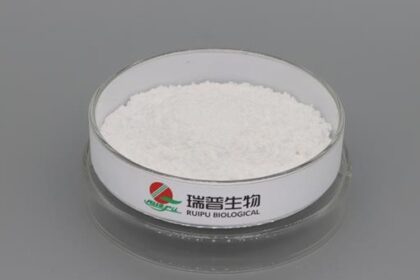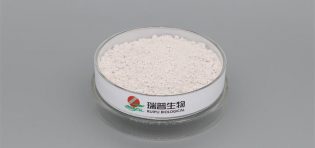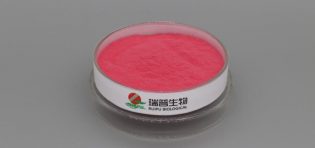
The global push for proactive health management has made iron fortification a top priority for product developers across the food and beverage sector. When sourcing high-quality nutrient raw materials, formulators frequently turn to Ferric Sodium Edetate because of its exceptional bioavailability and relatively neutral sensory profile. Unlike traditional iron salts that can easily oxidize fats, degrade sensitive vitamins, or cause severe color changes, this chelated iron compound tightly binds the iron ion. This protective mechanism makes it a highly sought-after option for modern fortification, especially in transparent liquids and delicate flavor systems. However, simply adding it to a formula without thoroughly understanding its unique chemical behavior and environmental sensitivities can lead to unexpected production hurdles and compromised product quality.
Despite its well-documented advantages, product developers frequently encounter stability and sensory issues when integrating this compound into complex matrices. For instance, in the development of clear or lightly colored functional beverages, improper use of Ferric Sodium Edetate can result in slight discoloration, haze formation, or unexpected precipitation. This usually happens if the pH fluctuates outside its optimal range or if the ionic strength of the beverage is too high. Furthermore, when combined with certain polyphenols, tannins, or high doses of ascorbic acid commonly found in health supplement raw materials, unintended chemical interactions might occur. These interactions can compromise the overall shelf life and alter the intended nutritional profile. Many formulators mistakenly assume that because it is a chelated iron, it is completely inert in all conditions, but it still requires careful handling to prevent the degradation of other sensitive functional ingredients in the blend.
To overcome these formulation challenges, manufacturers must adopt a systematic, science-backed approach to their application solutions. First, controlling and buffering the pH of the final product is absolutely critical. Ferric Sodium Edetate performs best in slightly acidic to neutral environments, typically between pH 3.5 and 7.
| Iron Source | Bioavailability | Sensory Impact | Fat Oxidation Risk | Vitamin Degradation |
|---|---|---|---|---|
| Ferric Sodium EDTA | High | Neutral | Very Low | Very Low |
| Ferrous Sulfate | Moderate | Strong Metallic | High | High |
| Ferrous Fumarate | Moderate | Slight Metallic | Moderate | Moderate |
| Ferric Pyrophosphate | Low | Minimal | Low | Low |
| Ferrous Gluconate | Moderate | Noticeable | Moderate | Moderate |
If you are formulating a high-acid juice drink or a tart sports recovery beverage, you might need to introduce specific food-grade buffering agents to stabilize the matrix and prevent the chelate from breaking down and releasing free iron. Second, the order of addition during the manufacturing process matters immensely. In a practical scenario, such as producing a fortified plant-based milk or a protein shake, developers should pre-disperse the iron source in a small portion of the liquid base before introducing it to the main batch. This ensures uniform distribution and prevents localized high concentrations that could cause protein coagulation or sedimentation. Finally, pairing it with the right beverage ingredients, like specific hydrocolloids, emulsifiers, or natural flavor masking agents, can further safeguard the sensory profile against any residual metallic notes that might emerge over time.
Implementing these technical strategies significantly elevates the quality, stability, and market competitiveness of the final product. By carefully managing the formulation environment, brands can deliver a seamless consumer experience without the chalky texture, dark color shifts, or metallic aftertaste often associated with traditional iron-fortified goods. This is particularly valuable when developing premium nutritional shakes, daily wellness shots, or children's dietary products, where taste and mouthfeel are primary purchase drivers for consumers. Moreover, maintaining the structural integrity of the chelate ensures that the iron remains highly bioavailable throughout the product's entire shelf life, fulfilling the core nutritional promise to the end user. When formulators treat this compound not just as a simple additive but as a complex functional ingredient requiring precise integration, they unlock its full potential to create stable, great-tasting, and highly effective nutritional products.
Working with advanced fortification agents requires a deep understanding of both the ingredient's chemistry and the final product's physical matrix. Ferric Sodium Edetate remains an excellent, industry-leading choice for addressing iron needs through everyday foods and drinks, provided it is handled with technical precision and respect for its chemical boundaries. By paying close attention to pH levels, mixing protocols, ingredient sequencing, and potential botanical interactions, product developers can avoid common pitfalls and successfully bring robust, high-quality fortified products to the market. As the nutritional industry continues to evolve and consumer expectations rise, partnering with experienced suppliers who provide comprehensive technical support, rigorous stability testing, and tailored application solutions will be key to navigating the complexities of modern food and supplement formulation.
Frequently Asked Questions
Why should I choose Ferric Sodium Edetate over traditional iron salts for my beverage?
Traditional iron salts like ferrous sulfate often cause a metallic taste and can easily oxidize the fats or vitamins in your formula. Ferric Sodium Edetate is a chelated iron, meaning the iron ion is tightly bound and protected, which keeps your product tasting great and looking clear.
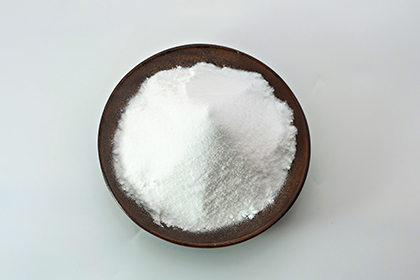
This tight binding also prevents the iron from reacting with other sensitive ingredients in your matrix. As a result, you get a much more stable product with a neutral sensory profile that consumers will actually enjoy drinking on a daily basis.
What is the ideal pH range when formulating with Ferric Sodium Edetate?
You will get the best stability and performance when you keep your product pH between 3.5 and 7.
If the environment becomes too acidic or too alkaline, the chelate structure might start to break down and release free iron into your beverage.
When free iron is released, it can trigger unwanted chemical reactions, leading to color changes or a metallic aftertaste. To prevent this, many formulators use food-grade buffering agents to lock in the pH and ensure the iron remains safely chelated throughout the shelf life.
What is the best way to add Ferric Sodium Edetate during the manufacturing process?
The order in which you add your ingredients can make a huge difference in the final quality of your nutritional product. Instead of dumping the raw powder directly into the main mixing vat, it is highly recommended to pre-disperse it in a small amount of your liquid base first.
This simple step ensures that the iron is evenly distributed and prevents localized high concentrations from forming. If you skip this step, those concentrated pockets of iron could cause proteins to coagulate or create stubborn sediment at the bottom of your beverage bottles.
Will Ferric Sodium Edetate interact with other functional ingredients like vitamin C or botanical extracts?
While it is much more stable than standard iron salts, you still need to be careful when combining it with high doses of ascorbic acid or tannin-rich botanical extracts. These specific compounds can sometimes challenge the chelate bond or cause slight discoloration if the overall formula is not properly balanced.
To avoid any unexpected interactions, it is always a smart move to run small-scale stability tests before full production. Working closely with your raw material supplier can also help you tweak the formula and find the right protective hydrocolloids to keep everything perfectly stable.