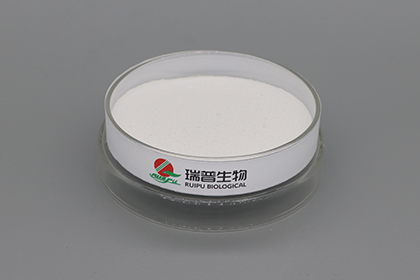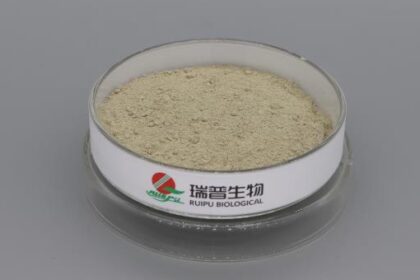
The global market for fortified foods and dietary supplements continues to expand as consumers increasingly prioritize proactive health management and daily nutritional support. Within this dynamic landscape, calcium fortification remains a cornerstone of product development, driving significant demand for high-quality nutrient raw materials across the industry. As manufacturers strive to meet these evolving consumer expectations, formulators are frequently tasked with selecting the most appropriate calcium source for their specific product matrices. Among the various options available in the supply chain, calcium lactate and calcium citrate consistently emerge as two of the most prominent and widely utilized choices. Understanding the distinct chemical, physical, and sensory properties of these functional ingredients is absolutely essential for creating successful, market-ready products that resonate with health-conscious consumers and stand out on retail shelves.
However, selecting the optimal calcium source is rarely a straightforward decision, and formulators often encounter several technical hurdles during the research and development phase. The primary challenge lies in carefully balancing solubility, sensory profile, and chemical stability within the final product matrix. For instance, when developing liquid formulations, poor solubility can lead to undesirable precipitation, chalky mouthfeels, and sedimentation at the bottom of the bottle, which severely impacts the overall consumer experience. Furthermore, incompatible calcium salts might interact negatively with other active compounds, potentially degrading sensitive vitamins. Conversely, in solid dosage forms, issues such as poor compressibility, high hygroscopicity, or a lingering bitter aftertaste can compromise the physical integrity and palatability of the final tablet or capsule. If a manufacturer chooses an incompatible calcium salt, it can result in costly reformulations, delayed time-to-market, and ultimately, a product that fails to meet stringent consumer expectations for taste, texture, and reliability.
To address these complex formulation challenges, experienced ingredient suppliers offer tailored application solutions that leverage the unique strengths of both calcium lactate and calcium citrate. Calcium lactate is highly regarded for its excellent solubility and remarkably neutral taste profile, making it an ideal choice for liquid applications. For example, when formulating fortified plant-based milks, clear functional waters, or sports drinks, calcium lactate integrates smoothly without causing cloudiness or altering the delicate flavor profile of the beverage ingredients. It also maintains stability across a wide range of pH levels, which is crucial for acidic fruit juices. On the other hand, calcium citrate is widely favored for solid dietary supplements due to its favorable absorption characteristics and reliable performance in dry blends. A practical scenario for calcium citrate is its use in chewable tablets, effervescent powders, or gummy vitamins, where its mild taste and excellent compressibility allow for the production of robust, easy-to-consume supplements that maintain their structural integrity and potency throughout their shelf life.
| Feature | Calcium Lactate | Calcium Citrate | Ideal Application |
|---|---|---|---|
| Solubility | High | Low to Moderate | Liquid vs Solid formats |
| Taste Profile | Highly Neutral | Mildly Chalky | Beverages vs Tablets |
| Elemental Calcium | Approximately 13% | Approximately 21% | Dosing requirements |
| Digestion Needs | Requires some stomach acid | Acid-independent absorption | Target demographics |
| Primary Format | Clear drinks and plant milks | Compressed tablets and capsules | Product matrix selection |
The strategic selection between these two health supplement raw materials directly translates into significant commercial and technical value for B2B clients operating in the competitive nutrition sector. By matching the specific calcium salt to the appropriate product matrix, manufacturers can drastically improve the overall stability, consistency, and shelf life of their offerings. Utilizing calcium lactate in liquid formats ensures a homogenous distribution of nutrients, guaranteeing that every single sip delivers a consistent nutritional profile, which is critical for building long-term brand trust. Meanwhile, leveraging calcium citrate in solid formats enhances the overall consumer compliance of the supplement, as users are much more likely to adhere to a daily regimen that is easy to consume and gentle on the digestive system. Ultimately, integrating the right functional ingredients into your formulation not only optimizes the manufacturing process and reduces production waste but also elevates the perceived quality of the final product in a highly competitive global marketplace.
In conclusion, the ongoing industry debate between calcium lactate and calcium citrate does not have a single universal winner, as the ideal choice is entirely dependent on your specific formulation goals, target delivery format, and desired consumer experience. Calcium lactate undeniably shines in liquid and beverage applications where high solubility and sensory neutrality are paramount, while calcium citrate excels in solid health supplements requiring reliable physical stability and consistent manufacturing performance. As the demand for sophisticated, clean-label nutritional products continues to grow, partnering with experienced nutrient raw material providers can help you navigate these complex formulation decisions with confidence. By leveraging expert technical insights, rigorous quality testing, and customized application solutions, B2B clients can successfully develop innovative, high-quality products that effectively meet the diverse and evolving needs of today's health-conscious consumers.
Frequently Asked Questions
What is the main difference between calcium lactate and calcium citrate in beverage formulations?
Calcium lactate is highly soluble and has a very neutral taste, making it perfect for clear drinks and plant-based milks. It blends smoothly without leaving a chalky residue or altering the delicate flavor profile of your beverage.
On the other hand, calcium citrate is less soluble in cold liquids and might cause slight cloudiness or sedimentation over time. Therefore, formulators usually prefer calcium lactate when working on liquid applications that require a clean and smooth mouthfeel.
Why do supplement manufacturers often choose calcium citrate for solid dosage forms?
Calcium citrate is widely favored for tablets and capsules because it offers excellent compressibility and reliable physical stability in dry blends. It allows manufacturers to produce robust pills that maintain their structural integrity and deliver between 200 and 300 milligrams of elemental calcium per serving throughout their entire shelf life.
Additionally, it is known for being gentle on the digestive system and does not require stomach acid for optimal absorption. This makes it an ideal functional ingredient for chewable tablets or effervescent powders aimed at older adults or individuals with sensitive stomachs.
How do I decide which calcium source is best for my new product launch?
The decision really comes down to your specific delivery format and the sensory experience you want to provide to your consumers. If you are developing a liquid beverage or a clear functional water, calcium lactate is generally the superior choice due to its high solubility.
However, if you are formulating a solid dietary supplement like a gummy vitamin or a compressed tablet, calcium citrate will likely give you better manufacturing results. Consulting with an experienced nutrient raw material supplier can also help you run small-scale trials to confirm the best fit for your unique matrix.