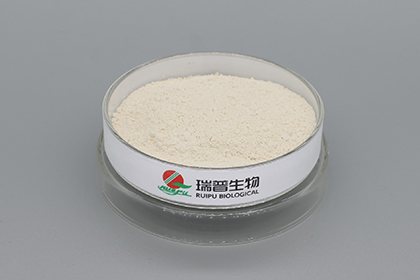
The global push toward nutritional fortification has made iron enrichment a standard practice across the food, beverage, and dietary supplement sectors. As consumer awareness regarding micronutrient deficiencies grows, manufacturers are actively seeking reliable nutrient raw materials to enhance their product profiles. However, selecting the right iron source is rarely a straightforward decision. Formulators must balance nutritional bioavailability with the sensory and physical stability of the final product. Historically, traditional iron salts such as ferrous sulfate and ferrous fumarate have been the industry standard due to their cost-effectiveness and high elemental iron content. Yet, as product formulations become more complex, the limitations of these conventional salts are becoming increasingly apparent, prompting a shift toward advanced chelated forms like Ferric Sodium Edetate.
The primary challenge with traditional iron salts lies in their high chemical reactivity. When added to complex food matrices, unchelated iron ions act as potent catalysts for lipid oxidation. In practical scenarios, if a beverage manufacturer uses ferrous sulfate to fortify a fruit juice or a dairy-based drink, the free iron ions quickly interact with ascorbic acid, polyphenols, and fats. This reaction often results in severe sensory degradation, including an unpleasant metallic aftertaste, rancid off-flavors, and undesirable color shifts, such as a greyish or brownish tint in clear liquids. Furthermore, in plant-based applications like oat milk or soy protein shakes, traditional iron salts readily bind with phytates and dietary fibers. This binding not only causes precipitation and sedimentation at the bottom of the bottle but also significantly inhibits iron absorption in the human gut, defeating the purpose of fortification. These formulation hurdles force research and development teams to spend excessive time and resources on masking agents and stabilizers, which ultimately clutters the ingredient label.
To overcome these formulation barriers, Ferric Sodium Edetate, commonly known as NaFeEDTA, has emerged as a highly effective alternative. The secret to its performance lies in its chemical structure, where the iron ion is tightly bound within an EDTA chelate ring. This protective shield prevents the iron from participating in unwanted oxidative reactions while still allowing it to be efficiently absorbed in the digestive tract. When product developers integrate these functional ingredients into their recipes, the chelated iron remains stable even in the presence of phytates, polyphenols, and varying pH levels. For instance, when fortifying a high-fiber cereal bar or a botanical-infused wellness shot, NaFeEDTA does not trigger the oxidation of sensitive flavor compounds or essential oils. This means the original taste, aroma, and visual appeal of the product remain completely intact throughout its intended shelf life, eliminating the need for heavy flavor masking.
| Characteristic | Ferric Sodium Edetate | Traditional Iron Salts |
|---|---|---|
| Chemical State | Tightly chelated | Free reactive ions |
| Oxidation Risk | Very low | High catalyst activity |
| Sensory Profile | Neutral taste and odor | Metallic aftertaste |
| Phytate Binding | Resists inhibition | Forms insoluble complexes |
| Liquid Stability | Prevents sedimentation | Causes cloudiness |
| Ideal Formats | Beverages and syrups | Dry powders and tablets |
The practical benefits of choosing Ferric Sodium Edetate extend across multiple categories, offering versatile application solutions for modern manufacturers. In the realm of beverage ingredients, it is particularly favored for clear sports drinks, flavored waters, and liquid nutritional shots where visual clarity and a clean taste profile are non-negotiable. Unlike traditional salts that cause cloudiness, NaFeEDTA dissolves cleanly and maintains the bright, appealing color of the beverage. For health supplement raw materials, such as multivitamin syrups, gummies, and chewable tablets, it ensures that the product does not develop a metallic tang that might deter daily compliance, especially in pediatric or sensitive demographic formulations. Additionally, when sourcing premium nutrient raw materials for plant-based dairy alternatives, this chelated form prevents the chalky sedimentation often seen with ferrous salts, ensuring a smooth, homogenous mouthfeel. By providing a stable, sensory-neutral fortification option, it allows brands to innovate freely without compromising the consumer experience.
Ultimately, the choice between Ferric Sodium Edetate and traditional iron salts depends on the specific demands of your product matrix and target market. While conventional salts may still hold a place in simple, dry applications like basic flour blending or encapsulated pills, complex liquid and semi-solid formulations greatly benefit from the stability of chelated iron. By understanding the unique chemical behaviors of these different sources, food and supplement scientists can make informed, strategic decisions. Embracing advanced functional ingredients like NaFeEDTA not only solves immediate formulation challenges but also elevates the overall quality and consumer acceptance of the final product, ensuring that your nutritional promises are delivered exactly as intended.

Frequently Asked Questions (FAQ)
Why do traditional iron salts sometimes cause problems in beverage formulations?
Traditional iron salts like ferrous sulfate are highly reactive, which means they can easily interact with other ingredients in your drink. When you add them to fruit juices or dairy alternatives, the free iron ions often trigger lipid oxidation and react with vitamins or polyphenols. This chemical reaction usually leads to an unpleasant metallic aftertaste, strange color changes, and a much shorter shelf life for your final product.
Formulators often have to use heavy flavor masking agents or extra stabilizers to hide these negative sensory changes. This not only complicates the manufacturing process but also clutters the ingredient label, which is something modern consumers generally try to avoid when looking for clean nutritional products.
How does Ferric Sodium Edetate improve the stability of fortified foods and drinks?
Ferric Sodium Edetate keeps the iron ion tightly bound within a protective chelate ring to prevent unwanted chemical interactions. This unique structure stops the iron from reacting with sensitive compounds like phytates, fibers, and antioxidants during processing and storage. Because the iron is shielded, it will not cause the oxidation of fats or the degradation of delicate flavor profiles in your food matrix.
Your fortified beverages and liquid supplements will maintain their original taste, aroma, and visual clarity throughout their entire shelf life. You can confidently use it in complex plant-based milks or clear sports drinks without worrying about sedimentation, cloudiness, or the development of off-flavors that typically plague conventional iron fortification.
Is Ferric Sodium Edetate suitable for all types of dietary supplements?
While it is incredibly versatile, the choice always depends on your specific product format and target demographic. It is exceptionally well-suited for liquid multivitamins, gummies, chewable tablets, and functional syrups where a clean taste is absolutely critical for daily consumer compliance. People are much more likely to take a daily supplement if it does not leave a harsh metallic tang in their mouth.
For very simple dry applications like basic flour blending or hard encapsulated pills where moisture and flavor interactions are minimal, traditional iron salts might still be a highly cost-effective option. You really need to evaluate the complexity of your matrix and the sensory expectations of your consumers before making a final decision on which nutrient raw material to source.