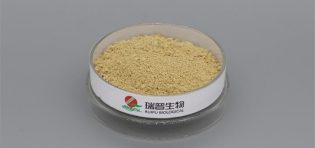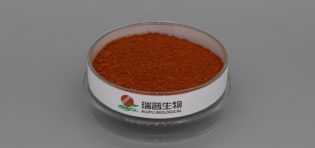
The global demand for iron-fortified products continues to grow as consumers increasingly seek out functional ingredients to support their daily nutritional needs. For manufacturers developing modern nutritional products, selecting the right nutrient raw materials is a critical first step. Ammonia Ferric Citrate has long been favored by formulators because of its excellent water solubility and high bioavailability compared to traditional iron salts. It is widely utilized across various beverage ingredients and health supplement formulations to deliver essential minerals without the gritty texture associated with less soluble alternatives. However, as product formulations become more complex, incorporating botanical extracts, vitamins, and diverse flavor profiles, simply adding this iron source to the mixing vat is no longer sufficient to ensure a stable final product.
Despite its advantages, many research and development teams encounter frustrating stability issues when integrating Ammonia Ferric Citrate into complex liquid matrices. The most common problems include unexpected color darkening, the development of a metallic off-taste, and the accelerated degradation of sensitive vitamins. These issues typically arise when free iron ions interact with polyphenols, tannins, or ascorbic acid present in the formulation. For instance, when formulating a botanical energy drink or a fruit-flavored nutritional product, the iron can catalyze oxidation reactions or form dark, unappealing complexes with plant-based antioxidants. Many formulators mistakenly blame the raw material itself or abandon it in favor of less bioavailable options, not realizing that the root cause lies in the mixing sequence and the micro-environment of the solution.
The secret that separates average formulations from exceptional ones is a specific technique known as sequential hydration and redox buffering. Instead of dumping all health supplement raw materials into the main mixing tank simultaneously, this application solution requires a carefully controlled, multi-stage preparation process. First, the Ammonia Ferric Citrate must be fully hydrated in a separate, cold, slightly acidic aqueous phase. Cold water slows down premature oxidation, while a mild acidulant like citric acid helps keep the iron ions stabilized in solution. Second, and this is the crucial trick, a specific redox buffer, such as a micro-encapsulated form of ascorbic acid or a targeted chelating agent, is introduced to this isolated iron slurry before it ever meets the rest of the formula. This creates a protective micro-environment around the iron ions. Only after this buffering step is complete should the iron slurry be slowly introduced into the main batch containing the sensitive functional ingredients and botanical extracts.
| Iron Source | Water Solubility | Bioavailability | Taste Impact | Ideal Application |
|---|---|---|---|---|
| Ammonia Ferric Citrate | High | High | Minimal | Clear beverages, liquid supplements |
| Ferrous Sulfate | High | High | Strong metallic | Tablets, coated capsules |
| Ferric Pyrophosphate | Low | Low | Neutral | Powdered mixes, dry foods |
| Ferrous Fumarate | Low | Moderate | Moderate | Chewables, gummies |
| Sodium Iron EDTA | High | High | Moderate | Fortified flours, sauces |
Implementing this sequential method provides immense value for B2B clients looking to elevate their product quality. By shielding the iron ions during the critical initial mixing phase, manufacturers can effectively prevent the formation of dark polyphenol-iron complexes, thereby preserving the bright, appealing color of fruit-based beverage ingredients. Furthermore, the redox buffering significantly reduces the catalytic oxidation of lipids and sensitive vitamins, which directly translates to a cleaner taste profile and an extended shelf life. For example, a sports nutrition company producing a plant-based recovery drink rich in green tea extract and iron can use this trick to maintain the drink's vibrant green hue and fresh flavor, avoiding the muddy brown color and metallic bitterness that usually plague such combinations. This level of precision in handling nutrient raw materials ensures that the final product delivers both aesthetic appeal and consistent nutritional value.
In the highly competitive landscape of functional foods and dietary supplements, mastering the nuances of ingredient interaction is what ultimately defines market success. Ammonia Ferric Citrate remains an outstanding choice for iron fortification, provided it is handled with the technical respect it requires. By adopting the sequential hydration and redox buffering trick, formulators can unlock the full potential of this highly soluble mineral without sacrificing the sensory qualities of their products. As the industry continues to evolve, partnering with experienced suppliers who provide not just high-quality functional ingredients but also comprehensive application solutions will be essential for brands aiming to deliver superior, stable, and consumer-friendly nutritional products.
Frequently Asked Questions
Why do formulators prefer Ammonia Ferric Citrate over traditional iron salts?
Formulators really love using Ammonia Ferric Citrate because it dissolves beautifully in water compared to older, traditional iron salts. When you are working on clear beverages or liquid supplements, you need an ingredient that blends seamlessly without leaving a gritty texture at the bottom of the bottle.
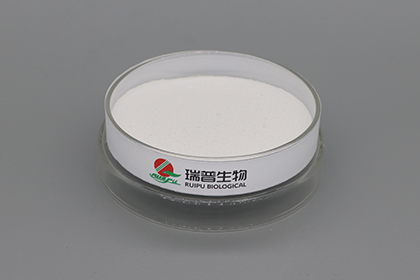
Another huge advantage is its high bioavailability, meaning the human body can absorb and utilize it much more efficiently. This makes it an absolute game-changer for brands looking to create effective nutritional products that actually deliver on their health promises without compromising the drinking experience.
What is the biggest challenge when adding this iron source to complex botanical drinks?
The most frustrating issue teams face is unexpected color darkening and the development of a harsh metallic taste when the iron interacts with other ingredients. If your drink contains plant extracts, tannins, or high levels of vitamin C, the free iron ions can trigger oxidation reactions that turn your beautiful beverage into a muddy brown color.
This chemical reaction not only ruins the visual appeal of the drink but also degrades sensitive vitamins and ruins the flavor profile. Many manufacturers mistakenly think the raw material is defective and switch to inferior options, completely missing the fact that the mixing sequence is the actual culprit behind these stability failures.
What is the secret trick to prevent oxidation and color changes during mixing?
The secret lies in a technique called sequential hydration and redox buffering, which completely changes how you introduce the iron into your main mixing tank. Instead of dumping everything in at once, you first hydrate the Ammonia Ferric Citrate in a separate batch of cold, slightly acidic water to slow down premature oxidation.
Once it is fully dissolved, you add a specific redox buffer or chelating agent to this isolated slurry to create a protective shield around the iron ions. Only after this protective micro-environment is established should you slowly blend the iron mixture into the main batch containing your sensitive botanical extracts and flavorings.
How does this specific mixing method improve the shelf life of the final beverage?
By shielding the iron ions during that critical initial mixing phase, you effectively stop them from catalyzing the oxidation of lipids and delicate vitamins in your formula. This means the nutritional integrity of your product remains intact for a much longer period, easily extending the shelf life by several months compared to standard mixing methods.
Consumers will also notice a massive difference in taste because the metallic bitterness is locked away and prevented from interacting with the flavor compounds. This ensures that a bottle sitting on a retail shelf for six months will taste just as fresh and vibrant as the day it was manufactured.