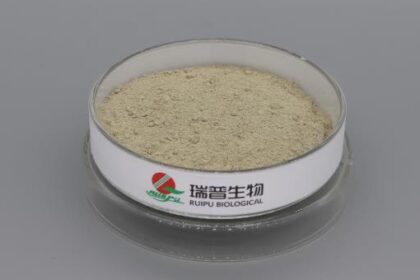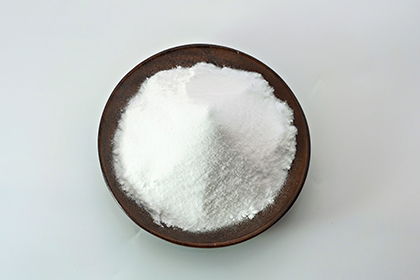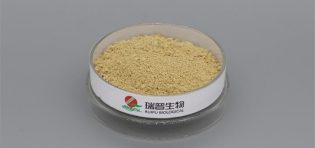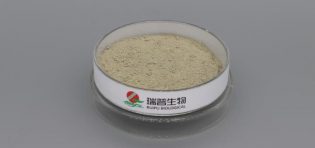
Despite its distinct advantages, product developers often encounter technical hurdles when using Zinc Gluconate as a core component in beverage ingredients or supplement raw materials. Common challenges include unexpected precipitation in liquid systems, a lingering metallic aftertaste that negatively affects consumer acceptance, and undesirable interactions with other active compounds in the formula. These formulation roadblocks can delay product launches, increase research and development costs, and ultimately compromise the overall sensory experience of the final goods. To overcome these issues, B2B manufacturers need reliable application solutions that address the specific physical and chemical properties of this mineral, ensuring both stability and palatability.
The first essential tip is to strictly optimize pH levels and temperature control during the blending process. Zinc Gluconate is highly soluble in water, but its stability can be compromised if the pH of the final product drops too low or fluctuates significantly during storage. For instance, when developing a clear, vitamin-fortified sports drink, formulators should maintain the pH slightly above 3.5 to prevent the zinc from interacting with certain organic acids and forming cloudy precipitates. Additionally, dissolving the powder in warm water, ideally between forty and fifty degrees Celsius, before adding it to the main batch ensures complete hydration. This preliminary step prevents microscopic clumping, which is absolutely crucial for maintaining a smooth mouthfeel and visual clarity in the final beverage.
The second tip focuses on utilizing effective flavor-masking agents and synergistic blends to neutralize any potential metallic notes. While Zinc Gluconate is notably milder than zinc sulfate, high concentrations can still impart an astringent or metallic aftertaste, especially in chewable supplements, gummies, or lightly flavored functional waters. To solve this, developers can incorporate natural citrus extracts, vanilla, or specific amino acids that bind to the zinc ions and effectively mask the off-notes. For example, in a fruit-flavored gummy supplement, blending the zinc with a robust tropical fruit flavor profile and a touch of citric acid successfully hides the mineral taste. This ensures the product remains highly palatable for daily consumption without requiring excessive amounts of added sugars.
The third tip involves carefully sequencing the addition of ingredients during the manufacturing process to ensure optimal dispersion. Dumping all functional ingredients into a mixing vat simultaneously often leads to competitive hydration, where thickeners and stabilizers steal the available water, leaving the zinc poorly dispersed. The best practice is to pre-disperse the Zinc Gluconate in a portion of the aqueous base early in the mixing cycle, allowing it to fully dissolve before introducing hydrocolloids or heavy botanical extracts. This sequential approach is particularly valuable in the production of liquid nutritional shots and protein drinks. It ensures a homogenous distribution of the mineral in every single bottle, preventing any sedimentation at the bottom and guaranteeing consistent dosing for the end consumer.
| Challenge | Cause | Solution | Target Product |
|---|---|---|---|
| Cloudy Precipitation | Low pH levels | Maintain pH above 3.5 | Clear Sports Drinks |
| Poor Hydration | Cold water mixing | Dissolve in 40-50°C water | Liquid Beverages |
| Metallic Aftertaste | High zinc concentration | Add citrus or vanilla extracts | Gummies and Functional Waters |
| Astringency | Lack of flavor masking | Use specific amino acids | Chewable Supplements |
| Poor Dispersion | Competitive hydration | Pre-disperse in aqueous base | Protein Drinks |
| Sedimentation | Simultaneous ingredient dumping | Add before hydrocolloids | Nutritional Shots |
Implementing these targeted application solutions provides significant operational and commercial value to food, beverage, and supplement manufacturers. By mastering these blending techniques, companies can drastically reduce batch failures, minimize raw material waste, and accelerate their overall time to market. Furthermore, delivering a stable, great-tasting product fortified with premium nutrient raw materials helps brands build lasting trust and loyalty among health-conscious consumers. Whether the end product is a refreshing functional beverage or a daily dietary supplement, proper formulation ensures that the functional ingredients perform exactly as intended throughout the product's entire shelf life, protecting the brand's reputation and market position.
In conclusion, successfully incorporating Zinc Gluconate into modern formulations is entirely achievable when developers respect its unique chemical characteristics and follow proven methodologies. By controlling pH and temperature, employing smart flavor-masking strategies, and following a precise mixing sequence, manufacturers can easily elevate their product quality and consumer appeal. As the market for fortified foods continues to expand globally, partnering with experienced suppliers who provide both high-quality raw materials and technical formulation support will remain a key strategy for long-term industry success and sustainable business growth.
Frequently Asked Questions
Why does my liquid beverage formula develop cloudy precipitation when I add Zinc Gluconate?
Cloudy precipitation usually happens when the pH level of your beverage drops too low or fluctuates during storage. Zinc Gluconate is highly soluble, but it can react with certain organic acids in highly acidic environments to form insoluble compounds.
To prevent this issue, you should maintain the pH slightly above 3.5 and ensure the mineral is fully dissolved in warm water before blending it into the main batch. This simple adjustment will keep your drink visually clear and stable throughout its shelf life.
How can I get rid of the metallic aftertaste when using high doses of Zinc Gluconate in gummies or drinks?
Even though Zinc Gluconate has a much milder taste than other zinc salts, high concentrations can still leave an astringent or metallic flavor. You can easily mask this by incorporating natural citrus extracts, vanilla, or specific amino acids that bind to the zinc ions.
Blending the mineral with a robust fruit flavor profile and a touch of citric acid works exceptionally well to hide those off-notes. This strategy ensures your product remains highly palatable for daily consumption without requiring excessive amounts of added sugar.
What is the best mixing sequence to avoid clumping and poor dispersion of Zinc Gluconate in protein drinks?
Dumping all your functional ingredients into the mixing vat at the same time often causes competitive hydration, which leaves the zinc poorly dispersed. The best approach is to pre-disperse the Zinc Gluconate in a portion of your aqueous base early in the mixing cycle before introducing any thickeners or hydrocolloids.
This sequential method guarantees a homogenous distribution and prevents any sedimentation at the bottom of the bottle. Taking this extra step during manufacturing ensures that every single serving delivers the exact intended dose to your consumers.