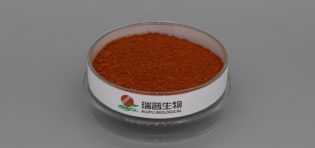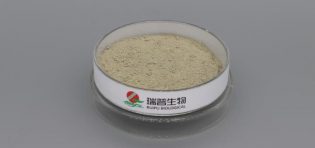
In the rapidly evolving landscape of nutritional product development, formulators are constantly seeking ways to enhance the nutritional profile of their offerings without compromising on taste or stability. During a recent industry technical seminar focused on advanced fortification strategies, a senior formulation expert posed a critical question to the room: how can we effectively fortify clear beverages and sensitive dairy products with iron without triggering the dreaded metallic off-taste or oxidative rancidity? This question struck a chord with everyone present, as iron fortification has historically been one of the most stubborn challenges in food science. The audience expected the usual compromises, but the subsequent data presented on a specific iron source significantly shifted the perspective of the attending product developers.
To understand the magnitude of this revelation, we must first look at the inherent problems associated with traditional iron sources. Highly soluble iron compounds, such as ferrous sulfate, are notorious for causing severe sensory degradation. When used as beverage ingredients, they often catalyze the oxidation of lipids and ascorbic acid, leading to color changes, vitamin degradation, and a harsh, metallic aftertaste that consumers simply will not tolerate. Furthermore, in complex matrices like plant-based milks or nutritional shakes, these reactive iron salts can cause protein coagulation and sedimentation. For manufacturers sourcing nutrient raw materials, this means choosing between a highly bioavailable iron that ruins the product's sensory profile or a stable iron that offers poor absorption. This dilemma has long restricted the innovation of iron-fortified functional foods and limited the versatility of many health supplement raw materials.
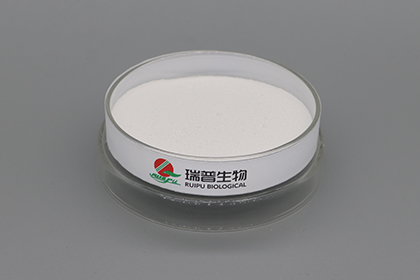
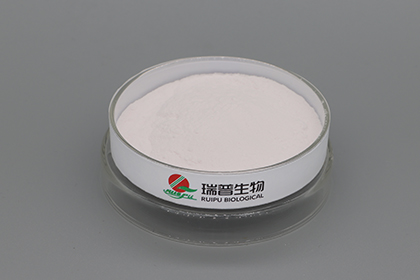
The turning point in the seminar came when the technical team presented comprehensive stability and sensory trial results for Ferric Phosphate. Unlike its highly reactive counterparts, Ferric Phosphate is an insoluble iron compound that remains remarkably inert in aqueous and complex food systems until it reaches the acidic environment of the stomach. The expert's shock stemmed from the sensory evaluation data: blind taste tests showed that panelists could barely distinguish between the fortified prototypes and the placebo, even at high fortification levels. In a practical scenario, consider the development of a transparent, fruit-flavored vitamin water. By utilizing finely milled Ferric Phosphate as the primary functional ingredient, formulators were able to maintain the crystal-clear appearance and bright fruit flavor of the drink, effectively avoiding the browning and metallic notes associated with other iron salts. This chemical stability makes it an exceptional choice for sensitive applications where preserving the original sensory characteristics is highly critical.
| Iron Source | Solubility Profile | Sensory Impact | Aqueous Stability | Recommended Applications |
|---|---|---|---|---|
| Ferrous Sulfate | Highly Soluble | Strong metallic off-taste | Low, causes oxidation | Basic dry tablets |
| Ferrous Gluconate | Highly Soluble | Moderate metallic taste | Moderate | Syrups, liquid vitamins |
| Ferrous Fumarate | Slightly Soluble | Mild metallic taste | Moderate | Capsules, dry blends |
| Ferric Phosphate | Insoluble | Neutral, no off-taste | High, chemically inert | Clear beverages, sensitive dairy |
| Carbonyl Iron | Insoluble | Neutral | High | Fortified cereals, dry powders |
For B2B clients in the food, beverage, and dietary supplement sectors, integrating Ferric Phosphate into their product lines offers substantial commercial and technical advantages. As one of the most reliable nutrient raw materials available, it allows brands to confidently claim a good source of iron on their labels without fearing consumer rejection due to poor taste. However, because it is insoluble, successful integration requires specialized application solutions provided by experienced ingredient manufacturers. For instance, in liquid suspensions like meal replacement shakes, manufacturers supply Ferric Phosphate with a strictly controlled, micro-fine particle size distribution. This ensures the iron remains evenly suspended without settling at the bottom of the bottle or creating a gritty mouthfeel. In dry blends for health supplement raw materials, its excellent flowability and low hygroscopicity prevent clumping during the manufacturing process, ensuring uniform dosing in capsules and sachets. By leveraging these tailored application solutions, production facilities can maintain high throughput and minimize equipment wear, as the inert nature of Ferric Phosphate prevents the corrosion often caused by acidic iron salts.
The revelation at the seminar underscores a vital lesson for the modern food and beverage industry: the right choice of raw materials can greatly enhance product viability. Ferric Phosphate has proven that formulators no longer have to sacrifice sensory quality for nutritional density. As consumer demand for functional, nutrient-dense products continues to rise, partnering with knowledgeable suppliers who can provide high-quality functional ingredients and customized technical support is more crucial than ever. By embracing advanced fortification strategies, manufacturers can confidently develop the next generation of iron-fortified beverages and supplements, delivering both exceptional taste and reliable nutrition to the market.
Frequently Asked Questions (FAQ)
Why is iron fortification so difficult in clear beverages and dairy products?
Adding iron to clear drinks is notoriously tricky because most highly soluble iron salts react aggressively with the liquid. This chemical reaction often causes ugly color changes and creates a harsh metallic taste that consumers simply hate.

Formulators usually have to choose between a stable iron that the body cannot absorb well or a bioavailable one that ruins the drink entirely. Finding a nutrient raw material that balances both stability and absorption without altering the sensory profile is the ultimate goal for beverage developers.
How does Ferric Phosphate actually solve the metallic off-taste problem?
Ferric Phosphate is an insoluble iron compound that stays completely inert in water and complex food matrices during processing and storage. Because it does not dissolve until it reaches the highly acidic environment of the human stomach, it never interacts with the delicate flavors or colors of your product.
This unique chemical stability means your functional ingredient remains completely hidden from the consumer's taste buds. Blind sensory tests consistently show that people cannot tell the difference between a fortified prototype and a placebo, making it a massive advantage for sensitive applications.
What should manufacturers consider when using this ingredient in liquid suspensions?
Since this specific iron source is insoluble, particle size is the most critical factor for liquid applications like meal replacement shakes or protein drinks. If the particles are too large, they will quickly sink to the bottom of the bottle or create an unpleasant gritty texture in the mouth.
Ingredient suppliers usually provide finely milled versions with a strictly controlled particle size distribution to keep the iron evenly suspended. This tailored application solution ensures a smooth mouthfeel and prevents sedimentation throughout the entire shelf life of your health supplement raw materials.
Is Ferric Phosphate suitable for dry blend supplements without causing clumping issues?
It is actually one of the absolute best choices for dry blends because it boasts excellent flowability and very low hygroscopicity. This means it does not absorb moisture from the surrounding air, which is a common culprit for severe clumping in vitamin and mineral premixes.
Manufacturing facilities love this specific property because it keeps the production lines running smoothly and ensures uniform dosing in every single capsule or sachet. The inert nature of the powder also prevents the corrosion of expensive blending equipment that is frequently caused by other acidic iron salts.