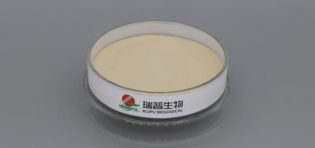
In the rapidly evolving landscape of functional nutrition, consumer demand for targeted wellness products continues to surge, particularly among demographics experiencing daily fatigue and suboptimal iron levels. Modern consumers are increasingly proactive about their dietary intake, driving B2B manufacturers to seek high-quality nutrient raw materials that can effectively meet these daily nutritional needs. As the market for fortified foods and dietary supplements expands, product developers are under immense pressure to create formulations that not only deliver essential minerals but also offer a pleasant sensory experience. This shift in consumer expectations has placed a spotlight on specific functional ingredients that can bridge the gap between nutritional efficacy and daily compliance, making the selection of the right mineral source a critical factor for long-term brand success.
Despite the clear market demand for iron-fortified products, formulators frequently encounter significant hurdles when working with traditional iron salts. Conventional options, such as ferrous sulfate, are notorious for causing gastrointestinal discomfort and leaving an unpleasant metallic aftertaste, which severely limits consumer adherence to daily supplementation routines. Furthermore, when these traditional compounds are used as beverage ingredients, they often catalyze lipid oxidation, leading to off-flavors, color degradation, and a shortened shelf life. This creates a major formulation bottleneck for brands trying to develop liquid nutritional shots, fortified plant-based milks, or functional gummies. The core challenge lies in finding a mineral source that maintains chemical stability in complex matrices while remaining gentle on the digestive system, a balance that many standard compounds simply fail to achieve.
To address these formulation challenges, Ferrous Gluconate has emerged as a highly valued and versatile alternative for modern product development. As an organic iron salt, it is characterized by its high bioavailability and consistently gentle impact on the gastrointestinal tract, making it an ideal choice for sensitive consumers. The gluconate ligand helps to stabilize the iron ion, significantly reducing the metallic taste and minimizing the oxidative reactions that typically plague liquid and semi-solid formulations. When sourcing premium health supplement raw materials, manufacturers increasingly favor this specific compound because it dissolves more readily and integrates smoothly into various delivery formats. This chemical stability allows formulators to maintain the intended flavor profile and visual appeal of the final product, ensuring that the end consumer enjoys a seamless experience without the harsh side effects associated with older iron sources.
| Attribute | Ferrous Gluconate | Ferrous Sulfate | Formulation Benefit |
|---|---|---|---|
| Bioavailability | High | Moderate | Better absorption for daily needs |
| Gastrointestinal Tolerance | Very Gentle | Often Harsh | Higher consumer compliance |
| Taste Profile in Liquids | Clean and Neutral | Strong Metallic | Preserves beverage flavor |
| Oxidative Stability | High | Low | Extends product shelf life |
| Solubility | Excellent | Good | Smooth blending in matrices |
| Ideal Applications | Gummies and Drinks | Basic Tablets | Versatile B2B solutions |
The practical application of Ferrous Gluconate spans a wide array of product categories, offering robust application solutions for both food and supplement manufacturers. For instance, in the development of fortified plant-based beverages, this ingredient can be microencapsulated or blended with specific chelating agents to prevent interactions with plant proteins and polyphenols, thereby preserving the drink's creamy texture and neutral taste. Additionally, when formulating functional gummies, the low reactivity of this iron source ensures that the fruit flavors remain vibrant and the pectin texture stays consistent over time, even under varying storage conditions. By utilizing tailored application solutions, B2B suppliers can help brands optimize the dispersion and absorption profiles of these complex formulations. A practical scenario involves a sports nutrition brand formulating a post-workout recovery drink; by substituting traditional iron with Ferrous Gluconate, they successfully eliminated the metallic aftertaste, resulting in a highly palatable product that saw a significant increase in repeat purchases among endurance athletes who require consistent mineral replenishment.
Ultimately, the strategic incorporation of Ferrous Gluconate into product pipelines represents a smart move for brands aiming to capture the growing demographic of iron-conscious consumers. By prioritizing high-quality nutrient raw materials that offer both physiological gentleness and formulation stability, manufacturers can effectively differentiate their products in a crowded marketplace. As the industry continues to innovate, the demand for sophisticated functional ingredients and comprehensive application solutions will only grow, reinforcing the importance of selecting the right raw materials from the start. For B2B clients in the food, beverage, and supplement sectors, embracing this advanced iron source is a reliable pathway to developing effective, consumer-friendly products that stand the test of time and deliver consistent nutritional value.
Frequently Asked Questions
Why is Ferrous Gluconate preferred over other iron supplements for people with sensitive stomachs?
Many people who struggle with low iron levels often avoid traditional supplements because they cause severe stomach cramps and nausea. Ferrous gluconate is an organic iron salt that is much gentler on the digestive tract, making it a fantastic choice for those who need between 15 and 30 milligrams of daily supplementation without the harsh side effects.

This gentle absorption process means your body can actually utilize the mineral effectively without triggering gastrointestinal distress. Product developers love using this specific raw material in their wellness formulations because it drastically improves consumer compliance and daily comfort.
How does this specific iron source affect the taste and shelf life of fortified beverages?
One of the biggest headaches for beverage manufacturers is that traditional iron salts can cause a terrible metallic aftertaste and trigger oxidation that ruins the flavor of the drink. Ferrous gluconate is highly stable in liquid matrices, which helps maintain a clean taste profile and prevents the degradation of sensitive ingredients like vitamins and plant proteins.
Because it minimizes these oxidative reactions, brands can confidently create functional drinks that taste great from the first sip to the last drop before the expiration date. This chemical stability is exactly why it has become a go-to ingredient for companies developing premium nutritional shots and fortified plant-based milks.
Can B2B manufacturers easily integrate this ingredient into gummy vitamins and solid supplements?
Absolutely, and it is actually one of the most versatile options for solid delivery formats like gummies, tablets, and chewables. When formulating gummies, the low reactivity of this iron source ensures that the fruity flavors remain vibrant and the pectin or gelatin texture stays perfectly consistent over time.
Manufacturers do not have to worry about the mineral interacting negatively with other active compounds or causing the final product to harden or melt prematurely. This reliability allows supplement brands to scale up their production smoothly while delivering a high-quality, consumer-friendly product that people actually enjoy taking every day.
What makes this nutrient raw material a smart choice for brands targeting the growing fatigue management market?
The modern consumer is incredibly proactive about managing daily fatigue and actively seeks out targeted wellness products that fit seamlessly into their busy lifestyles. By utilizing a highly bioavailable and gentle iron source, brands can directly address the root causes of low energy without alienating customers who have experienced bad reactions to older, harsher supplements.
Offering a premium, well-tolerated formulation helps companies build strong brand loyalty and stand out in a highly competitive functional nutrition landscape. It ultimately empowers product developers to create effective, everyday wellness solutions that genuinely resonate with health-conscious demographics looking for reliable energy support.