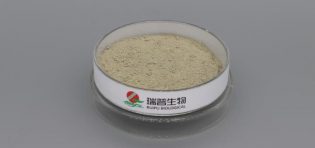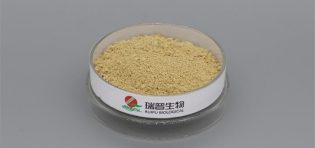
The global fortification market is experiencing a significant shift as consumer awareness regarding daily micronutrient intake continues to rise across diverse demographics. For manufacturers in the food, beverage, and dietary supplement sectors, selecting the right iron source is a critical formulation decision that impacts both product quality and consumer acceptance. Historically, ferrous sulfate has been the industry standard due to its high elemental iron content and exceptionally low cost. However, as modern consumers increasingly demand cleaner labels, better sensory experiences, and higher tolerability, the industry is closely evaluating alternative nutrient raw materials to meet these evolving expectations. This brings us to a pivotal industry question: when comparing ferrous gluconate and ferrous sulfate, which one will become the future favorite for premium, consumer-centric formulations?
While ferrous sulfate is highly concentrated and economically attractive, it presents several well-documented challenges for modern product developers. In liquid applications, the free iron ions from sulfate can act as strong pro-oxidants, catalyzing the degradation of sensitive vitamins and causing lipid oxidation, which inevitably leads to undesirable off-flavors, rancidity, and unappealing color changes. Furthermore, it frequently interacts negatively with botanical extracts and polyphenols, neutralizing their intended benefits. From a consumer perspective, ferrous sulfate is widely associated with gastrointestinal discomfort, nausea, and a strong metallic aftertaste. These sensory and stability issues severely limit its utility in clear beverages, delicate functional drinks, and premium daily supplements. When formulators attempt to mask these negative attributes using heavy flavoring systems or encapsulation technologies, they often end up compromising the clean label appeal or significantly increasing the overall production costs, creating a frustrating bottleneck for product innovation.
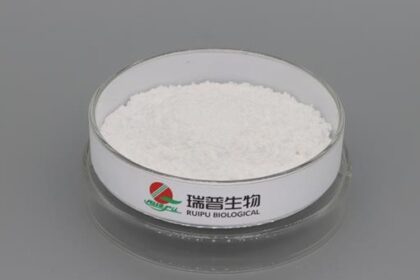
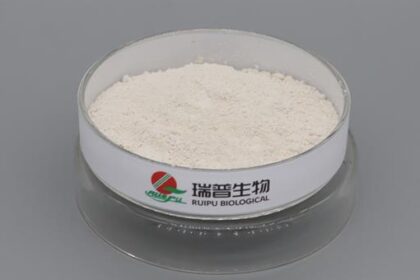
To overcome these complex formulation hurdles, many research and development teams are actively turning to ferrous gluconate as a highly effective and versatile alternative. As one of the more gentle functional ingredients available on the market today, ferrous gluconate is an organic iron salt that offers excellent bioavailability with a significantly milder impact on the digestive tract. Because the iron is securely bound to a gluconate molecule, it releases more gradually in the gastrointestinal environment, which minimizes the harsh side effects commonly associated with highly reactive inorganic salts. Additionally, its lower chemical reactivity makes it far less likely to trigger oxidative reactions or degrade neighboring nutrients in complex food matrices. By integrating this specialized ingredient into their supply chain, manufacturers can successfully bypass the stability and sensory roadblocks that traditionally plague iron-fortified products, paving the way for smoother, more palatable, and highly stable end products.
| Feature | Ferrous Sulfate | Ferrous Gluconate | Ideal Application |
|---|---|---|---|
| Elemental Iron Content | High (approx. 20%) | Low (approx. 12%) | Bulk foods vs Premium supplements |
| Raw Material Cost | Very Low | Moderate to High | Cost-sensitive vs High-end products |
| Gastrointestinal Tolerability | Low (can cause discomfort) | High (gentle on stomach) | General market vs Sensitive demographics |
| Sensory Impact | High (metallic aftertaste) | Low (neutral flavor) | Heavily masked vs Clear beverages |
| Chemical Reactivity | High (acts as pro-oxidant) | Low (highly stable) | Dry matrices vs Liquid formulations |
The practical benefits of this strategic shift are highly visible across various B2B application scenarios, proving its worth in real-world production. Consider the development of fortified plant-based milks, clear nutritional waters, or acidic fruit juices, where beverage ingredients must maintain a neutral flavor profile and visual clarity over a long shelf life. Formulators utilizing ferrous gluconate report vastly improved sensory outcomes, as the ingredient does not impart metallic notes or cause the protein coagulation often seen with sulfate. In the realm of dietary supplements, the advantages are equally compelling. When sourcing supplement raw materials for targeted demographics, such as prenatal vitamins, pediatric gummies, or senior health capsules, manufacturers must prioritize daily tolerability. Application solutions built around ferrous gluconate allow brands to confidently market their products as gentle on the stomach, directly addressing a primary consumer pain point and driving higher compliance and repeat purchase rates. Furthermore, in nutritional bars and functional snacks, it prevents the oxidation of added fats, ensuring the product tastes fresh from the first bite to the last.
In summary, while ferrous sulfate will likely retain its position in basic, cost-sensitive agricultural and bulk food fortification, the trajectory for high-value consumer goods heavily favors organic, well-tolerated alternatives. Ferrous gluconate stands out by offering a superior balance of digestive comfort, formulation stability, and sensory neutrality that modern products demand. For forward-thinking manufacturers aiming to capture the health-conscious demographic, investing in high-quality organic iron sources is no longer just an optional upgrade, but a strategic necessity for market differentiation. As the industry continues to prioritize user experience, clean label integrity, and premium quality, ferrous gluconate is well on its way to becoming the undisputed future favorite in advanced nutritional product development.
Frequently Asked Questions (FAQ)
Why is ferrous sulfate historically the most common iron source in the market?
Ferrous sulfate has been the go-to choice for many years primarily because it is incredibly cost-effective to produce. It also boasts a very high concentration of elemental iron, which means manufacturers can use smaller amounts to achieve the desired nutritional profile.
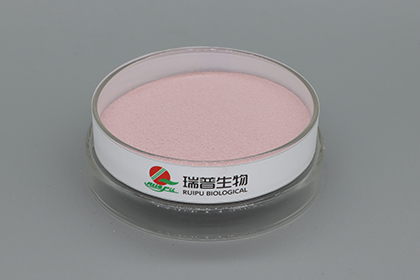
However, this high reactivity can sometimes lead to stability issues in complex food and beverage formulations. Manufacturers often have to invest heavily in protective coatings or strong flavor masking to prevent the iron from degrading other sensitive ingredients in the mixture.
What makes ferrous gluconate a better option for modern dietary supplements?
Ferrous gluconate is highly favored in modern supplements because it is much gentler on the digestive system compared to inorganic salts. Consumers frequently report fewer gastrointestinal side effects, such as nausea or stomach cramps, when taking this organic form of iron.
Most daily supplements contain between 10 and 30 milligrams of elemental iron, and using a gentle source ensures this dosage range is well-tolerated by the majority of users. Additionally, its lower chemical reactivity helps maintain the flavor and color integrity of the final product, which is crucial for premium supplement brands.
How does the choice of iron source affect liquid beverage formulations?
When formulating liquid beverages, the choice of iron can drastically impact the shelf life and sensory experience of the drink. Highly reactive sources like ferrous sulfate can act as pro-oxidants, causing the degradation of added vitamins and leading to unpleasant metallic off-flavors or color changes over time.
On the other hand, organic options like ferrous gluconate are much more stable in liquid matrices, allowing beverage developers to create clear, great-tasting functional drinks. This stability is especially important for products that are expected to sit on retail shelves for several months before being consumed by the end user.
Is ferrous gluconate more expensive to use than ferrous sulfate?
It is true that ferrous gluconate generally comes with a higher upfront raw material cost compared to the extremely cheap ferrous sulfate. However, formulators often find that the overall production costs balance out because they spend less on masking agents, heavy flavoring systems, and advanced encapsulation technologies needed to hide the harsh sensory attributes of sulfate.
Ultimately, the investment in a premium iron source translates to a higher-quality product that commands a better retail price and stronger consumer loyalty. Brands that prioritize user comfort and clean label formulations are usually able to justify the slight increase in raw material expenses through improved market positioning.