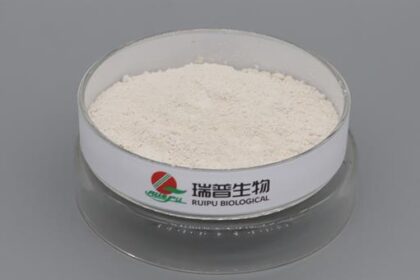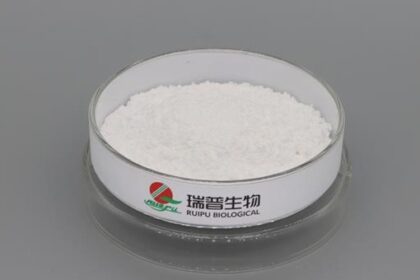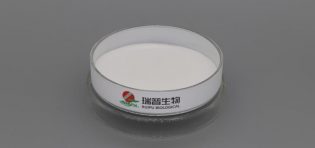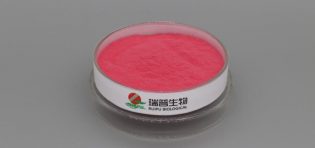
In the rapidly evolving landscape of nutritional manufacturing, the demand for effective iron fortification continues to rise across both food and dietary sectors. When sourcing high-quality nutrient raw materials, research and development teams frequently turn to Ferric Sodium Edetate. This specific iron compound is highly regarded for its excellent bioavailability and relatively low reactivity compared to traditional iron salts like ferrous sulfate. As consumers increasingly seek out functional beverages, clean-label hydration drinks, and daily wellness shots, manufacturers are under immense pressure to deliver products that not only meet strict nutritional targets but also provide a flawless sensory experience. The market trend is clearly shifting toward products that offer functional benefits without compromising on taste or visual appeal.
However, integrating this compound into complex liquid systems presents a well-known hurdle for many formulators. When working with diverse beverage ingredients, Ferric Sodium Edetate can sometimes trigger unintended chemical interactions that ruin the final product. If not handled correctly, it may cause a slight metallic off-taste, induce color darkening in clear or lightly colored liquids, or precipitate when exposed to certain polyphenols and tannins found in botanical extracts. These polyphenols can easily oxidize and cross-link with free iron ions, leading to a cloudy appearance and a degraded flavor profile. These issues often lead to compromised shelf stability and poor consumer acceptance. Many development teams mistakenly blame the raw material itself, unaware that the root cause usually lies in the sequencing, temperature, and environmental conditions of the mixing process.
The secret that a vast majority of formulators overlook is a technique we call the Sequential pH-Locking and Chelation Shielding method. Instead of simply adding the iron powder into the main mixing vat with all other functional ingredients, this approach requires a highly controlled, multi-step integration. First, the Ferric Sodium Edetate must be pre-dispersed in a slightly acidic, deionized water slurry with a pH strictly maintained between 3.5 and 4.
| Iron Source | Bioavailability | Sensory Impact | Polyphenol Reactivity | Ideal Application |
|---|---|---|---|---|
| Ferric Sodium Edetate | High | Minimal metallic taste | Low | Clear functional beverages |
| Ferrous Sulfate | Moderate | Strong metallic off-taste | High | Fortified cereals and tablets |
| Ferrous Gluconate | Moderate | Slight metallic taste | Moderate | Liquid dietary supplements |
| Ferric Pyrophosphate | Low | Neutral taste | Very Low | Powdered drink mixes |
This specific pH range keeps the iron complex tightly bound and prevents it from prematurely dissociating in the water. Second, and this is the crucial trick, a natural masking and shielding agent, such as a specific ratio of citrus bioflavonoids or a tailored amino acid blend, is introduced into this slurry before it meets the main batch. This creates a protective micro-environment around the iron molecules. Only after this shielding is complete should the slurry be gently folded into the primary beverage base. This ensures the iron never directly contacts high concentrations of competing divalent cations like calcium or zinc during the initial hydration phase, which would otherwise strip the edetate complex and cause immediate sensory degradation.
Implementing this precise methodology transforms the way manufacturers utilize supplement raw materials in liquid formats. By employing these targeted application solutions, B2B clients can achieve a remarkably stable, clear, and great-tasting final product that scales perfectly from pilot batches to full commercial production. For instance, a sports nutrition brand recently utilized this exact technique to develop a clear, iron-fortified recovery water. By applying the pH-locking trick, they successfully eliminated the metallic aftertaste and maintained the crystal-clear appearance of the drink over a twelve-month shelf life, something previously thought highly challenging with this iron source. Furthermore, this method reduces the need for excessive artificial flavorings or heavy sweeteners that are typically used to mask iron off-notes, thereby supporting cleaner label claims.
Ultimately, mastering the nuances of ingredient interaction is what separates average products from market-leading innovations. Ferric Sodium Edetate remains an exceptional choice for iron fortification, provided it is handled with the correct technical expertise and formulation strategy. As the industry continues to push the boundaries of functional nutrition, understanding and applying these advanced formulation tricks will be essential for manufacturers aiming to deliver superior, stable, and highly bioavailable products to the modern consumer.
Frequently Asked Questions
Why do formulators prefer Ferric Sodium Edetate over traditional iron salts like ferrous sulfate?
Traditional iron salts often cause a strong metallic taste and can easily react with other ingredients in your beverage or supplement formula. Ferric Sodium Edetate is much more stable and offers excellent bioavailability without ruining the sensory profile of your product.
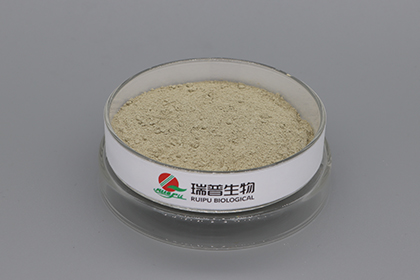
This means you can actually create clear, great-tasting functional drinks that consumers will enjoy drinking every day. It is especially useful when you are trying to maintain a clean label while still delivering a solid nutritional punch.
What exactly is the formulation trick that most people miss when using this iron compound?
The secret lies in a technique called Sequential pH-Locking and Chelation Shielding, which changes how you introduce the iron into your mixing vat. Instead of just dumping the powder in with everything else, you first pre-disperse it in a slightly acidic water slurry with a pH strictly maintained between 3.5 and 4.0.
After that, you add a natural shielding agent like citrus bioflavonoids to create a protective micro-environment around the iron molecules before it ever touches the main batch. This prevents the iron from interacting with competing minerals or botanical extracts that would normally cause cloudiness or off-flavors.
Will this method stop my iron from reacting with the polyphenols in my botanical extracts?
Yes, that is actually one of the biggest advantages of using this specific shielding technique during your mixing process. Polyphenols and tannins from plant extracts love to bind with free iron ions, which usually results in a dark, cloudy liquid that tastes pretty terrible.
By locking the pH and wrapping the iron in a protective chelation shield first, you keep the complex tightly bound and completely safe from those botanical compounds. Your final beverage will stay crystal clear and maintain its intended flavor profile throughout its entire shelf life.
Is this pH-locking trick practical for large-scale commercial manufacturing, or is it just for lab testing?
This method is absolutely designed for full-scale commercial production and scales up beautifully from small pilot batches to massive manufacturing runs. You just need to ensure your mixing tanks can accurately monitor and maintain that specific acidic pH range during the initial slurry preparation step.
Many sports nutrition and functional beverage brands are already using this exact process to produce thousands of gallons of iron-fortified recovery waters. It actually saves money in the long run because you do not have to overcompensate with heavy artificial sweeteners or masking agents to hide bad flavors.