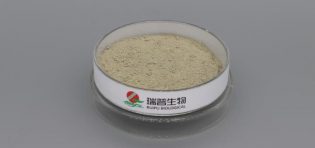
In the rapidly evolving landscape of nutritional manufacturing, the demand for high-quality mineral fortification continues to rise across global markets. Zinc is a highly sought-after mineral for general wellness, making Zinc Citrate a preferred choice for many formulators due to its favorable bioavailability and relatively gentle impact on the stomach. However, when product developers work with various nutrient raw materials, they frequently encounter distinct formulation hurdles. Specifically, integrating Zinc Citrate into complex matrices often leads to a noticeable metallic aftertaste, solubility fluctuations, and unintended interactions with other functional ingredients. These challenges can severely compromise the sensory experience and physical stability of the final product, which is a significant concern for brands aiming to deliver premium beverage ingredients and dietary supplements to discerning consumers.
The first essential tip to overcome these formulation hurdles is mastering flavor masking and taste optimization. Zinc naturally imparts a metallic or astringent note that can easily ruin the sensory profile of a product if left unmanaged. To counteract this, formulators should avoid relying solely on simple sweeteners and instead utilize complex flavor systems that naturally complement mineral notes. For instance, citrus profiles like lemon, yuzu, or grapefruit, as well as tart berry flavors, contain natural acidic notes that beautifully mask the metallic tang of zinc. In a practical scenario involving beverage ingredients, a development team creating a zinc-fortified hydration drink might use a blend of natural raspberry flavor, a hint of tartness from malic acid, and a touch of stevia to completely neutralize the mineral taste. This approach results in a refreshing and highly palatable drink that consumers actually enjoy, turning a formulation weakness into a sensory strength.
The second tip focuses on precise pH management and solubility control throughout the production lifecycle. Zinc Citrate has specific solubility parameters, and it can precipitate out of solution if the pH drifts outside its optimal range, particularly in ready-to-drink liquid formats or high-concentration shots. To prevent this, it is crucial to incorporate appropriate buffer systems and carefully monitor the acidity during the manufacturing process. Formulators should consider adding the zinc component during the cooling or final mixing phases to minimize heat-induced degradation or premature precipitation. Consider a practical case where a manufacturer is developing a liquid supplement raw materials wellness shot. By introducing a mild citrate buffer and maintaining the pH strictly between 3.5 and 4.5, the production team ensures the zinc remains fully dissolved and visually clear on the retail shelf, thereby avoiding the cloudy appearance or sediment that often leads to consumer rejection and product returns.
| Optimization Tip | Primary Challenge | Recommended Strategy | Ideal Application |
|---|---|---|---|
| Flavor Masking | Metallic aftertaste | Use citrus or tart berry flavors with organic acids | Beverages and gummies |
| pH Management | Solubility and precipitation | Maintain pH between 3.5 and 4.5 using citrate buffers | Liquid shots and RTD drinks |
| Ingredient Synergy | Nutrient competition | Pair with Vitamin C and avoid high calcium or phytates | Powder blends and capsules |
The third tip involves strategic synergistic ingredient pairing to enhance overall stability and nutritional integrity. When designing comprehensive application solutions, it is vital to consider how Zinc Citrate interacts with the surrounding matrix on a molecular level. Pairing zinc with complementary functional ingredients, such as Vitamin C, B-complex vitamins, or specific amino acids, can create a more robust and stable nutritional profile. Conversely, formulators must be cautious to avoid combining zinc with high levels of phytates, excessive calcium, or certain polyphenols, which can compete for absorption pathways and cause formulation instability over time. For example, when creating a daily wellness powder using various supplement raw materials, a formulator might pair Zinc Citrate with ascorbic acid and a small amount of copper to maintain a proper mineral balance. This thoughtful pairing not only supports the physical stability of the powder blend but also provides a well-rounded nutritional profile that appeals to health-conscious consumers looking for comprehensive daily support.
Implementing these three optimization strategies delivers immense application value to B2B clients operating in the food, beverage, and dietary supplement sectors. By proactively addressing taste, solubility, and ingredient synergy, manufacturers can significantly reduce research and development timelines, minimize costly batch failures, and accelerate their overall time-to-market. Furthermore, these optimized blends ensure consistent quality across large-scale production runs, protecting brand reputation and fostering consumer trust. Ultimately, mastering the formulation of Zinc Citrate allows brands to create superior products that stand out in a highly crowded and competitive marketplace. As the industry continues to prioritize clean labels, high bioavailability, and exceptional taste, leveraging these practical insights ensures that your nutritional products consistently meet the highest standards of quality, efficacy, and consumer satisfaction.
Frequently Asked Questions
Why do formulators prefer Zinc Citrate over other zinc sources for supplements?
Formulators often choose Zinc Citrate because it offers excellent bioavailability and is generally much gentler on the stomach compared to alternatives like zinc sulfate. This makes it an ideal choice for daily wellness products where consumer comfort and nutrient absorption are top priorities.
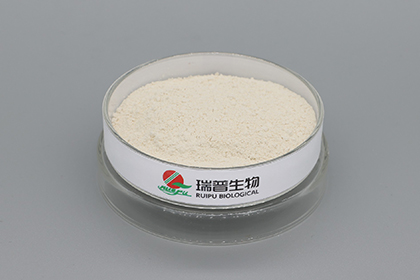
When working with various nutrient raw materials, this specific form of zinc integrates smoothly into complex matrices without causing severe gastrointestinal distress. It helps brands create premium dietary supplements that people can take regularly without experiencing the nausea sometimes associated with harsher mineral salts.
What is the biggest challenge when adding Zinc Citrate to beverage formulations?
The most common hurdle product developers face is managing the natural metallic or astringent aftertaste that zinc can impart to liquid formats. If left unmasked, this distinct flavor profile can easily ruin the sensory experience of a refreshing drink and lead to poor consumer acceptance.
Another significant issue involves solubility fluctuations and potential precipitation if the pH levels are not strictly controlled between 3.0 and 4.5 during the manufacturing process. Formulators must carefully balance the acidity and use appropriate buffering systems to ensure the mineral remains fully dissolved and visually clear on the retail shelf.
How can I effectively mask the metallic taste of zinc in my nutritional products?
The most effective strategy is to move beyond simple sweeteners and instead build complex flavor systems that naturally complement the mineral notes. Citrus profiles like lemon, yuzu, or grapefruit, as well as tart berry flavors, contain natural acidic components that beautifully neutralize the metallic tang.
You can also incorporate mild organic acids like malic or citric acid to enhance the tartness and further distract the palate from the astringency. By combining these targeted flavor profiles with high-quality beverage ingredients, you can transform a potential formulation weakness into a highly palatable and enjoyable sensory experience.
Which ingredients should I avoid pairing with Zinc Citrate to maintain product stability?
You should be very cautious about combining zinc with high levels of phytates, excessive calcium, or certain dense polyphenols in your application solutions. These specific compounds can compete for absorption pathways in the body and also cause physical instability or precipitation within the product matrix over time.
Instead, it is highly recommended to pair Zinc Citrate with complementary functional ingredients like Vitamin C or specific amino acids to create a more robust nutritional profile. This thoughtful approach to blending supplement raw materials not only protects the physical integrity of your formula but also supports better overall nutrient synergy for the end consumer.