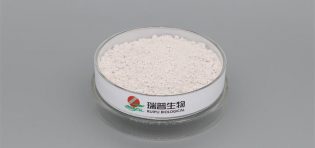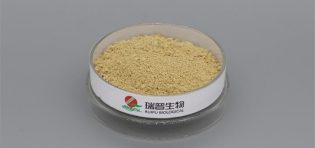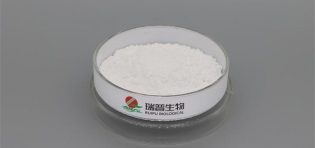
Iron fortification remains a critical focus for product developers working with functional ingredients across the food and beverage sector. As consumer demand for fortified foods and dietary supplements continues to grow, manufacturers are constantly seeking reliable nutrient raw materials that offer high bioavailability without compromising product quality. Ammonia Ferric Citrate is widely recognized in the industry for its excellent absorption rates and relatively mild taste compared to traditional iron salts like ferrous sulfate. However, integrating this specific compound into complex liquid formulations is far from straightforward. Over the past two months, our research and development team undertook a rigorous project to optimize an iron-fortified liquid beverage prototype, aiming to provide our B2B partners with superior beverage ingredients that meet strict commercial standards.
Despite our extensive experience in nutritional manufacturing, the initial phase of this project was incredibly frustrating, resulting in six completely ruined batches of Ammonia Ferric Citrate formulations. The core issues revolved around physical stability and sensory degradation. In the first two batches, designed for a high-acid citrus sports drink matrix, we encountered severe precipitation. The pH fluctuations caused the iron to drop out of the suspension, rendering the beverage visually unappealing and nutritionally inconsistent. Batches three and four, formulated in concentrated wellness shots, presented a different challenge: a distinct metallic off-taste that became more pronounced after just one week of accelerated shelf-life testing. Furthermore, the fifth and sixth batches, containing sensitive botanical extracts, suffered from oxidative degradation. The free iron ions catalyzed the oxidation of added vitamins, drastically reducing the efficacy of these functional ingredients. These failures highlighted the complex chemical interactions that can occur when supplement raw materials are not properly stabilized.
To overcome these formulation hurdles, our technical team completely restructured our approach and developed targeted application solutions. First, we addressed the precipitation issue in the sports drink prototype by implementing a precise pH buffering system and utilizing a specialized hydrocolloid blend. This kept the Ammonia Ferric Citrate uniformly suspended without altering the clean mouthfeel expected by consumers. To eliminate the metallic off-taste and prevent oxidative damage in the wellness shots and energy drinks, we transitioned to a microencapsulation technique. By coating the iron particles, we successfully isolated the iron from the surrounding liquid environment. This physical barrier prevented premature interactions during storage while ensuring the coating would safely dissolve in the acidic environment of the stomach for optimal absorption. We also adjusted the processing temperatures during the mixing phase, realizing that excessive heat during homogenization was compromising the integrity of the encapsulated nutrient raw materials.
| Feature | Ammonia Ferric Citrate | Ferrous Sulfate | Formulation Challenge |
|---|---|---|---|
| Bioavailability | High | Moderate | pH dependent absorption |
| Taste Profile | Mild | Strong metallic | Flavor masking required |
| Solubility | High | Moderate | Precipitation risk in acids |
| Color Impact | Low | High browning | Oxidation control needed |
| Cost | Higher | Lower | Budget consideration |
| Liquid Stability | Moderate | Low | Encapsulation often needed |
The successful resolution of these formulation challenges provides immense practical value to our B2B clients in the food, beverage, and dietary supplement sectors. By mastering the stabilization of Ammonia Ferric Citrate, we can now supply highly reliable beverage ingredients that maintain visual clarity, consistent nutritional profiles, and excellent sensory qualities throughout their entire shelf life. For instance, sports nutrition brands can now utilize our stabilized premix for recovery drinks without worrying about bottle sedimentation or metallic aftertastes. For manufacturers developing liquid supplements, these refined application solutions mean they no longer have to compromise between high iron bioavailability and product palatability. The microencapsulation technology ensures that other delicate functional ingredients, such as vitamin C or plant-based antioxidants, remain fully active and effective. This level of technical refinement allows brand owners to confidently launch premium health products, knowing that the underlying supplement raw materials have been rigorously tested and optimized for real-world manufacturing conditions.
Spending two months and ruining six batches of Ammonia Ferric Citrate was a costly but invaluable learning experience that ultimately elevated our manufacturing capabilities. It reinforced the principle that working with advanced nutrient raw materials requires more than just following standard recipes; it demands a deep understanding of chemical interactions and a willingness to iterate until perfection is achieved. Today, our optimized application solutions stand as a testament to our commitment to quality and innovation in the B2B space. We look forward to partnering with forward-thinking brands to integrate these stabilized, high-performance functional ingredients into their next generation of fortified foods and beverages, ensuring both exceptional consumer satisfaction and verified nutritional excellence.
Frequently Asked Questions
Why do formulators prefer Ammonia Ferric Citrate over traditional iron salts?
Many product developers choose this specific nutrient raw material because it offers fantastic bioavailability without the harsh metallic aftertaste you usually get from ferrous sulfate. When you are working on sensitive beverage ingredients or functional foods, keeping the flavor profile clean is absolutely crucial for consumer acceptance.
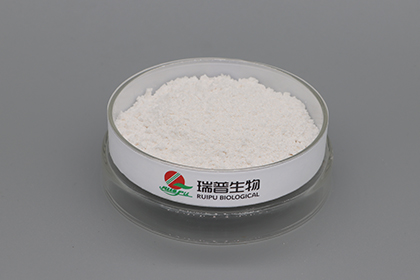
It also dissolves quite well in various liquid matrices, which makes it a highly versatile choice for our application solutions. However, as I learned the hard way over those 2 months, its chemical reactivity means you still need to carefully manage the pH and surrounding environment to prevent unwanted precipitation or oxidation.
What exactly went wrong during those ruined batches?
The failures mostly came down to physical instability and sensory degradation when the iron interacted with other functional ingredients in the mix. In the high-acid sports drink prototypes, the pH fluctuations caused the iron to drop out of the suspension, leaving an ugly sediment at the bottom of the bottle.
In the concentrated wellness shots, the free iron ions actually catalyzed the oxidation of added vitamins and botanical extracts. This not only created a terrible metallic off-taste after just a week of accelerated shelf-life testing but also drastically reduced the nutritional efficacy of the final product.
How did your team finally fix the precipitation and off-taste problems?
We completely restructured our approach by introducing a specialized hydrocolloid blend and a precise buffering system to keep the iron uniformly suspended in acidic environments. This physical stabilization ensured the beverage ingredients maintained visual clarity and a smooth mouthfeel without any gritty sediment.
To tackle the metallic taste and oxidative damage, we transitioned to a microencapsulation technique that coated the iron particles. This barrier successfully isolated the Ammonia Ferric Citrate from the surrounding liquid during storage, while still allowing it to dissolve safely in the stomach for optimal absorption.
Can these stabilized application solutions be scaled for everyday commercial beverages?
Absolutely, and that is exactly what we designed these optimized supplement raw materials for in the first place. Sports nutrition brands and functional beverage companies can now integrate our stabilized premixes into their recovery drinks or daily wellness shots without worrying about bottle sedimentation or flavor degradation over time.
The microencapsulation technology ensures that the iron remains completely stable even when paired with highly sensitive functional ingredients like vitamin C or plant-based antioxidants. This means brand owners can confidently launch premium health products that deliver verified nutritional excellence and exceptional consumer satisfaction straight off the shelf.