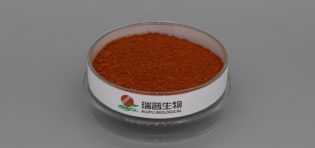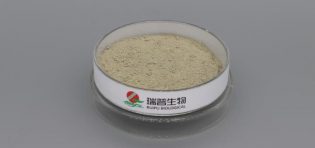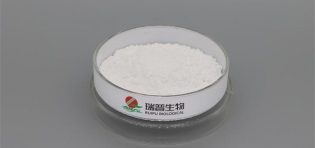
As consumer awareness of daily nutritional intake grows, the demand for fortified foods and dietary supplements continues to rise across the global market. Iron is one of the most sought-after minerals, making high-quality nutrient raw materials essential for modern product development. Among various iron sources, Ammonia Ferric Citrate is widely recognized for its favorable bioavailability and relatively mild sensory profile. However, formulators often encounter significant hurdles when integrating this compound into complex formulations. Common issues include unexpected color shifts, precipitation in liquid systems, and a lingering metallic aftertaste that can negatively impact consumer acceptance. Overcoming these formulation challenges requires a deep understanding of the ingredient's chemical behavior and the implementation of targeted application solutions.
The first essential tip is to carefully optimize the pH level and matrix compatibility of your formulation. Ammonia Ferric Citrate is highly sensitive to pH fluctuations, which can trigger the release of free iron ions and lead to undesirable oxidation or precipitation. To prevent this, formulators should maintain the product pH within a slightly acidic to neutral range, typically between 4.0 and 6.5, depending on the specific matrix. For instance, when developing a fortified plant-based milk alternative, free iron can easily bind to plant proteins, causing a gritty texture and visual separation. Utilizing buffering agents and mild sequestrants helps stabilize the pH and protects the protein network. This careful adjustment ensures that the iron remains evenly dispersed without causing sedimentation, making it a highly reliable and stable choice among beverage ingredients.
The second tip focuses on strategically utilizing masking agents and tailored flavor systems to eliminate any metallic aftertaste. Even though Ammonia Ferric Citrate is milder than some other iron salts, it can still interact with taste receptors at higher fortification levels. Flavor masking is not just about adding more sweetness; it involves using specific aromatic compounds that block the iron's interaction with the tongue's taste buds. Incorporating natural flavor modulators, such as vanilla, caramel, or specific dark berry extracts, can effectively coat the palate and neutralize metallic notes. Consider a scenario where a manufacturer is formulating a chewable dietary supplement gummy. By combining the iron source with a robust mixed-berry flavor profile and a touch of natural tartness, the sensory experience is vastly improved. This approach is particularly crucial when selecting supplement raw materials, as long-term consumer compliance heavily relies on a pleasant and enjoyable taste experience.
| Application Tip | Target Issue | Recommended Action | Ideal Parameter |
|---|---|---|---|
| pH Optimization | Precipitation and Color Shifts | Use buffering agents and sequestrants | pH 4.0 to 6.5 |
| Flavor Masking | Metallic Aftertaste | Add natural flavor modulators and tartness | Berry or vanilla extracts |
| Process Control | Nutrient Degradation and Oxidation | Cold-blend and use UV-protected packaging | Low heat and opaque bottles |
The third tip involves strictly controlling processing temperatures and minimizing light exposure during manufacturing and packaging. High heat can accelerate the degradation of Ammonia Ferric Citrate, potentially leading to nutrient loss and adverse reactions with other functional ingredients in the blend. For example, iron can act as a pro-oxidant, rapidly degrading sensitive vitamins like Vitamin C or Vitamin A if exposed to heat and oxygen simultaneously. It is advisable to add the iron source during the later stages of the mixing process, ideally after the primary heating or pasteurization steps have been completed. Furthermore, packaging plays a vital role in maintaining stability. For liquid applications like energy shots or vitamin waters, using opaque or UV-protected bottles prevents photo-oxidation. A practical example is a sports nutrition drink where the iron is cold-blended and packaged in an amber-colored bottle, ensuring the nutritional integrity remains intact throughout the shelf life.
Implementing these three strategies significantly enhances the overall quality and market viability of fortified products. By treating Ammonia Ferric Citrate not just as a simple additive but as a complex component requiring specific application solutions, manufacturers can avoid costly reformulations and production delays. This meticulous approach ensures that the final product delivers consistent nutritional value while meeting the high sensory expectations of today's health-conscious consumers. Ultimately, mastering the technical nuances of these functional ingredients allows brands to innovate confidently and scale their production efficiently. As the industry evolves, staying informed about the best practices for handling nutrient raw materials will remain a key differentiator for success in the competitive food, beverage, and supplement markets.
Frequently Asked Questions
Why do formulators prefer Ammonia Ferric Citrate over other iron sources for beverages and supplements?
Ammonia Ferric Citrate is highly favored because it offers excellent bioavailability while maintaining a much milder sensory profile compared to traditional iron salts. When you are developing a new beverage or dietary supplement, avoiding that harsh metallic aftertaste is absolutely crucial for consumer acceptance.
Additionally, it tends to cause fewer gastrointestinal side effects, which is a massive selling point for daily nutritional products. This makes it an incredibly reliable choice for brands looking to fortify their products without compromising on taste or customer comfort.
What is the best way to prevent precipitation when adding this iron source to liquid formulations?
The most effective strategy is to carefully monitor and adjust the pH level of your liquid matrix, keeping it ideally between 4.0 and 6.5 to maintain stability. If the environment becomes too acidic or too alkaline, the iron ions can separate and cause unsightly sedimentation at the bottom of the bottle.
You should also consider using mild buffering agents or sequestrants to protect the iron from interacting with other reactive ingredients like plant proteins. Taking these extra steps during the formulation phase ensures your beverage remains visually appealing and perfectly mixed throughout its entire shelf life.
Does high processing heat negatively affect the stability and nutritional value of Ammonia Ferric Citrate?
Yes, exposing this ingredient to prolonged high temperatures can accelerate its degradation and trigger unwanted oxidative reactions with other sensitive vitamins in your blend. To preserve its nutritional integrity, it is highly recommended to introduce the iron source during the later cooling or cold-blending stages of your manufacturing process.
Furthermore, protecting the final product from light exposure by using opaque or UV-treated packaging will prevent photo-oxidation from occurring. Managing both heat and light exposure guarantees that your customers receive the exact nutritional benefits promised on your label.
How can I effectively mask any lingering metallic taste when formulating chewable supplements?
Masking the taste goes far beyond simply adding more sugar or artificial sweeteners to the recipe. You need to incorporate specific natural flavor modulators, like dark berry extracts, vanilla, or caramel notes, which actively coat the palate and block the iron from interacting with taste receptors.
Adding a slight natural tartness can also help balance the flavor profile and completely distract the palate from any mineral notes. This thoughtful approach to flavor design ensures that your chewable supplements taste delicious and encourage consistent daily use by your customers.