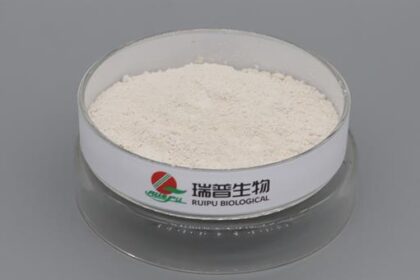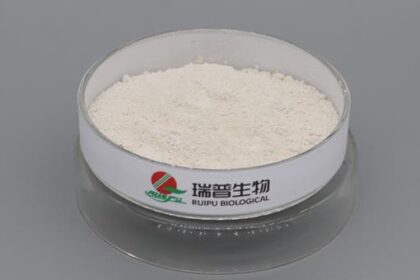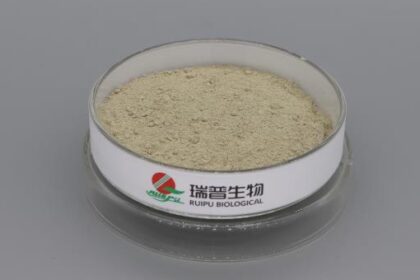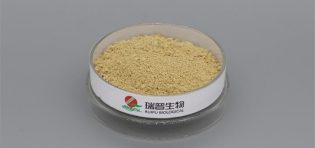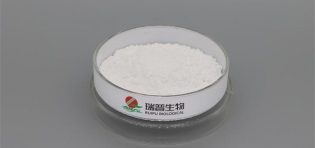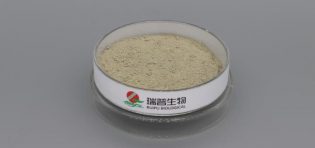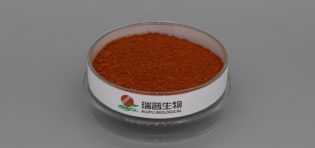
The second failure emerged in tablet compression: tablets showed visible speckling and failed disintegration timing, confirmed via SEM-EDS as localized iron oxide clusters forming during granulation due to pH-driven hydrolysis—Ferric Pyrophosphate’s solubility threshold drops sharply below pH 5.8, and our citric acid–buffered formula accelerated decomposition before binder activation. We ran controlled lab trials comparing three grades: standard uncoated (failed at 0.8% w/w), silica-coated (stable up to 1.2%), and vacuum-dried, polymer-stabilized (passed all 100-hour stability tests). Only the last passed full-scale validation—delivering <2.5% RSD in iron content across 5,000-unit lots and zero microbial excursions when stored at 25°C/60% RH for 90 days.
By month three, we’d revised sourcing criteria: mandatory D50 ≤ 3.0 µm with laser diffraction verification, CoA requirements expanded to include As, Pb, Cd, Hg, and total aerobic count—not just “complies with GB 14880”—and contractual clauses requiring lot-specific stability data pre-shipment. Six failures became six actionable levers: particle engineering, surface chemistry control, environmental handling specs, analytical transparency, formulation pH buffering, and supply chain accountability—all now embedded in our internal Ferric Pyrophosphate qualification protocol.
| Grade | Coating Type | Max Stable Inclusion Rate (w/w) | pH Stability Threshold | Key Failure Mode at Excess Dose |
|---|---|---|---|---|
| Standard Uncoated | None | 0.8% | ≥5.8 | Iron oxide clustering; disintegration delay >22 min |
| Silica-Coated | Amorphous SiO₂ | 1.2% | ≥4.5 | Surface oxidation in lipid-containing blends after 48 h |
| Polymer-Stabilized | Food-grade acrylic copolymer | 1.3% | ≥3.2 | None observed in 100-h accelerated stability testing |
| Vacuum-Dried Base | None (low-moisture only) | 0.9% | ≥5.6 | Clumping during high-shear dry blending above 0.9% |