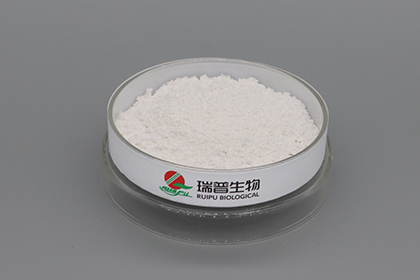
In the rapidly evolving landscape of nutritional fortification, manufacturers are constantly seeking reliable and efficient ways to enrich their products. As consumer awareness regarding iron deficiency grows, the demand for high-quality nutrient raw materials has surged across the food, beverage, and dietary supplement sectors. Among the various options available, Ferrous Fumarate stands out as a highly preferred iron source due to its high elemental iron content, excellent stability, and cost-effectiveness. However, integrating these functional ingredients into complex formulations is not always straightforward, requiring a deep understanding of their chemical properties and interactions with other components.
Despite its advantages, formulators often encounter significant hurdles when working with Ferrous Fumarate. In liquid systems, it tends to settle at the bottom or cause undesirable color shifts over time. In chewable tablets or gummies, it can impart a strong, unpleasant metallic taste that negatively impacts consumer compliance. Furthermore, improper handling can lead to the oxidation of sensitive vitamins within the same matrix. These formulation challenges can delay product launches and compromise the final quality of health supplement raw materials and beverage ingredients, making it essential to adopt a strategic approach to overcome these technical barriers.
To help our partners navigate these complexities, we have identified three critical keys to successfully mastering the use of Ferrous Fumarate in your product lines. The first key is optimizing dispersion and suspension in liquid systems. When developing fortified drinks, keeping insoluble iron particles evenly suspended is a primary challenge because Ferrous Fumarate is relatively insoluble in water and can quickly settle to create a gritty texture. To solve this, formulators must carefully select and balance hydrocolloids and suspending agents, such as microcrystalline cellulose or specific grades of xanthan gum. For instance, in a recent plant-based milk fortification project, adjusting the shear rate during the homogenization process and combining a dual-hydrocolloid system prevented sedimentation for over twelve months, ensuring that every sip delivers a consistent dose of iron without compromising the smooth mouthfeel expected by consumers.
The second key involves effective taste masking and oxidation prevention. The metallic aftertaste associated with iron salts is a well-known deterrent for consumers, especially in chewable supplements and flavored beverages. To address this, it is crucial to employ robust taste-masking technologies like microencapsulation, where the particles are coated with a lipid or polymer layer to release the iron only upon digestion, rather than simply adding more sweeteners. Additionally, because free iron can catalyze the oxidation of fats and degrade sensitive vitamins, incorporating natural antioxidants such as rosemary extract or tocopherols can protect the matrix. A practical application of this is seen in fruit-flavored gummy vitamins, where encapsulated iron combined with a slight citrus flavor profile successfully neutralizes metallic notes while preserving the vibrant color and nutritional integrity of the product.
| Formulation Key | Primary Challenge | Recommended Solution | Ideal Application |
|---|---|---|---|
| Liquid Suspension | Particle settling and gritty texture | Hydrocolloids and optimized homogenization | Fortified plant-based milks and beverages |
| Taste Masking | Unpleasant metallic aftertaste | Microencapsulation and flavor pairing | Chewable tablets and gummy vitamins |
| Particle Size Selection | Dusting during production or poor mouthfeel | Matching mesh size to manufacturing equipment | Dry powder blends and soft chews |
The third key focuses on selecting the appropriate particle size and grade for your specific manufacturing process. The physical characteristics of the raw material directly influence both the production efficiency and the bioavailability of the final product. Finer particles generally offer better bioavailability and a smoother texture but might be more prone to dusting during tablet compression, whereas coarser particles flow better in high-speed manufacturing but might leave a sandy mouthfeel in liquid suspensions. Therefore, matching the particle size distribution to your specific application is vital. For dry powder blends and capsule filling, a granular grade ensures excellent flowability and prevents segregation, while for liquid systems or soft chews, a micronized grade is preferable to ensure a seamless sensory experience. Consulting with your supplier to source the exact mesh size tailored to your equipment is a critical step in scaling up production smoothly.
By implementing these three strategic keys, manufacturers can significantly elevate the quality and market competitiveness of their offerings. Properly formulated Ferrous Fumarate not only meets the rigorous nutritional claims required by regulatory bodies but also delivers a superior sensory experience that drives repeat purchases. Whether you are formulating a clear sports drink, a comprehensive multivitamin tablet, or a fortified nutritional bar, leveraging these advanced techniques ensures that your products remain stable, effective, and highly appealing to your target demographic. This technical mastery ultimately reduces waste, minimizes production downtime, and accelerates the time-to-market for innovative nutritional products.
In conclusion, while Ferrous Fumarate presents certain formulation challenges, it remains an invaluable asset in the development of modern nutritional products when handled correctly. By focusing on optimal suspension techniques, advanced taste-masking strategies, and precise particle size selection, B2B clients can unlock the full potential of this essential mineral. As a dedicated provider of premium nutrient raw materials, we are committed to supporting your research and development teams with tailored technical guidance and high-quality ingredients. We invite you to collaborate with our application scientists to design customized application solutions that meet your specific product goals, ensure regulatory compliance, and drive long-term success in the highly competitive global health and wellness market.
Frequently Asked Questions (FAQ)
Why is Ferrous Fumarate considered a better choice for iron fortification compared to other sources?
Ferrous Fumarate is highly favored because it offers a high percentage of elemental iron, which means you need less of it to meet your daily nutritional targets. It also boasts excellent stability in various food and supplement matrices, significantly reducing the risk of unwanted chemical reactions during the product's shelf life.
Additionally, its overall cost-effectiveness makes it an incredibly attractive option for large-scale manufacturing without compromising on final product quality. This combination of high iron content, physical stability, and economic efficiency is exactly why formulators consistently choose it over other iron salts.
How can I prevent Ferrous Fumarate from settling at the bottom of my liquid beverage formulations?
Preventing sedimentation in liquid systems requires a careful balance of suspending agents and hydrocolloids to keep the insoluble iron particles evenly distributed throughout the beverage. You should strongly consider using ingredients like microcrystalline cellulose or specific grades of xanthan gum that are perfectly tailored to your specific viscosity requirements.
Adjusting the homogenization process and optimizing shear rates during production can also significantly improve the suspension stability over a period of 12 to 24 months. Taking these extra steps ensures that your consumers get a consistent dose of iron in every single sip without experiencing any gritty textures.
What are the best methods to mask the metallic taste of iron in chewable supplements or gummies?
The most effective approach to eliminating that unpleasant metallic aftertaste is to use microencapsulation technology, which coats the iron particles so they only release once they reach the digestive tract. Pairing this advanced technique with robust flavor profiles, such as bright citrus or mixed berry, can further neutralize any residual notes that might otherwise escape.
It is also highly recommended to avoid adding excessive artificial sweeteners, as they can sometimes amplify the metallic sensation rather than successfully hide it. By focusing on encapsulation and smart flavor pairing, you can create a chewable supplement that consumers will actually enjoy taking on a daily basis.
Does the particle size of Ferrous Fumarate really matter for my specific manufacturing process?
The particle size directly impacts both the bioavailability of the iron and the physical handling of the raw material on your manufacturing line. Finer, micronized grades are absolutely ideal for liquids and soft chews because they provide a much smoother mouthfeel and better overall absorption, even though they can be slightly dusty to handle.
On the other hand, coarser or granular grades flow much better for high-speed capsule filling and dry powder blending, which helps prevent ingredient segregation and ensures highly uniform dosing. Matching the exact mesh size to your specific equipment and application is a crucial step that will save you a lot of time and frustration during scale-up.