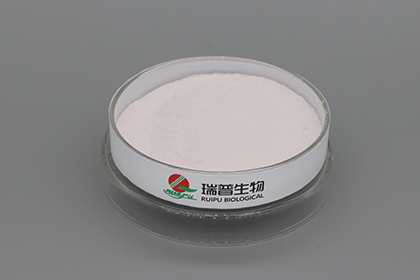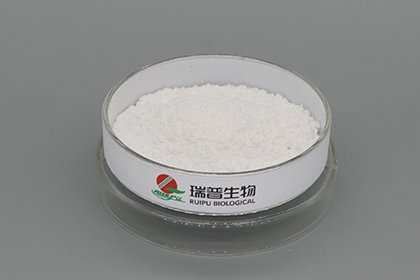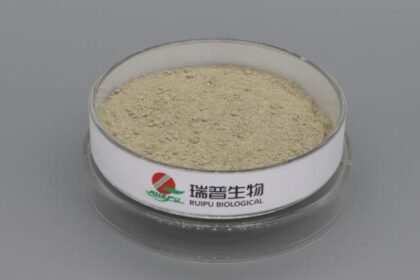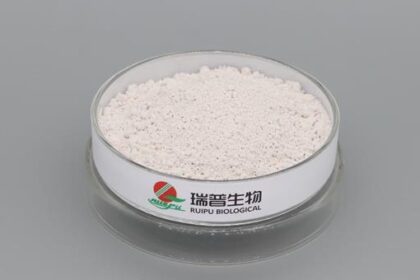
The modern food and beverage industry is witnessing a significant shift toward functional nutrition, driving B2B manufacturers to seek reliable nutrient raw materials for everyday fortification. Iron deficiency remains a widespread nutritional concern globally, prompting leading brands to develop fortified products that seamlessly fit into consumers' daily routines. However, formulators frequently encounter substantial hurdles when integrating traditional iron salts into their complex formulations. Common issues include an unpleasant metallic aftertaste, undesirable color shifts, and the catalytic oxidation of sensitive vitamins and lipids. These sensory and stability problems can severely compromise the final product's quality, leading to poor consumer acceptance and high return rates. To overcome these formulation barriers, many product developers are turning to Ferric Pyrophosphate. As a highly stable functional ingredient, it offers a remarkably neutral taste profile and excellent compatibility, making it an ideal choice for diverse matrices. Yet, achieving optimal results requires a precise understanding of its physical and chemical behaviors during large-scale production.
The first essential tip for successfully applying Ferric Pyrophosphate is to optimize particle dispersion and suspension techniques, particularly in liquid applications. Because this specific iron source is highly insoluble in water, it naturally tends to settle at the bottom of the container if not properly managed, which is a critical issue for manufacturers working with liquid beverage ingredients. To address this physical characteristic, manufacturers should employ high-shear mixing or advanced homogenization processes to ensure a uniform distribution of micronized particles throughout the liquid base. For instance, when developing a fortified plant-based milk alternative or a clear sports drink, utilizing a two-stage homogenization process helps maintain a stable suspension over the product's entire shelf life. Additionally, selecting the correct micronized grade of the raw material and incorporating compatible hydrocolloids can further prevent sedimentation, ensuring that the consumer receives a consistent nutritional dose in every sip without experiencing any gritty or sandy mouthfeel.
The second crucial strategy involves carefully managing pH levels and thermal processing conditions to preserve the integrity of the entire formulation matrix. While Ferric Pyrophosphate is notably stable across a wide pH range compared to other highly reactive iron salts, extreme acidity combined with prolonged high heat can still impact the overall stability of the product, especially when other sensitive supplement raw materials are present in the blend. In practical manufacturing scenarios, such as the Ultra-High Temperature processing of fortified fruit juices, liquid dairy drinks, or nutritional shakes, it is vital to strictly monitor thermal exposure times and temperature thresholds. By adjusting the pH to a slightly acidic or neutral range and utilizing precise, rapid heat exchangers, formulators can prevent the degradation of co-formulated vitamins and delicate flavor compounds. This careful environmental control ensures that the iron remains completely inert and does not catalyze the breakdown of ascorbic acid or cause unwanted browning reactions during the rigorous manufacturing and packaging process.
| Tip Number | Focus Area | Key Challenge | Recommended Solution |
|---|---|---|---|
| Tip 1 | Particle Dispersion | Sedimentation in liquid matrices | Use high-shear mixing and two-stage homogenization |
| Tip 2 | Processing Conditions | Extreme heat and acidity exposure | Control thermal limits and maintain optimal pH levels |
| Tip 3 | Bioavailability Enhancement | Lower natural absorption rates | Blend with organic acids like ascorbic or citric acid |
The third tip focuses on creating synergistic application solutions by strategically blending Ferric Pyrophosphate with specific absorption enhancers to maximize the product's nutritional value. Since the relative bioavailability of insoluble iron compounds can be lower than highly soluble variants, strategic pairing is absolutely necessary for premium health supplements and targeted functional foods. A practical and highly effective approach is to co-formulate the iron with organic acids, such as ascorbic acid, citric acid, or specific amino acids, which can gently facilitate iron uptake in the digestive tract without altering the product's sensory attributes. For example, in a dry powder supplement blend, a fortified nutritional bar, or a specialized maternal nutrition product, encapsulating the iron or mixing it with a buffered vitamin C source ensures that the functional ingredients work together harmoniously. This method allows brands to deliver effective nutritional profiles while maintaining a clean label and avoiding the harsh gastrointestinal side effects sometimes associated with highly soluble, reactive iron salts.
Implementing these three targeted strategies provides immense application value for B2B clients operating in the competitive food, beverage, and dietary supplement sectors. By mastering physical dispersion, strictly controlling processing parameters, and utilizing synergistic blending techniques, manufacturers can produce fortified items that boast excellent sensory qualities, extended shelf stability, and reliable nutritional content. This technical proficiency not only streamlines the production line and reduces waste but also significantly elevates the final product's market competitiveness. Ultimately, the successful integration of Ferric Pyrophosphate empowers brands to meet the rising consumer demand for functional, great-tasting nutritional products that support overall well-being. As the global wellness industry continues to evolve, staying informed about the precise handling and application of advanced nutrient raw materials will remain a fundamental cornerstone of successful product innovation, regulatory compliance, and sustainable market growth.
Frequently Asked Questions (FAQ)
Why is Ferric Pyrophosphate preferred over traditional iron salts in beverages?
Traditional iron salts often cause a terrible metallic aftertaste and can actually change the color of your drink, which is a huge headache for beverage formulators. Ferric Pyrophosphate is highly insoluble, meaning it stays completely inert in the liquid matrix and doesn't mess with your carefully crafted flavor profiles or cause unwanted oxidation.
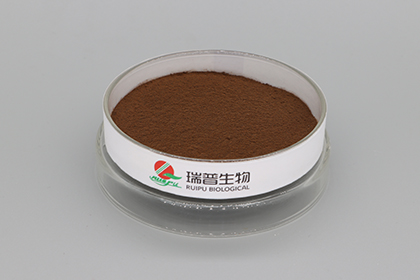
This makes it an incredibly reliable choice for B2B manufacturers looking to fortify clear sports drinks, plant-based milks, or juices without compromising the sensory experience. You get all the nutritional benefits of iron fortification while keeping the product tasting exactly the way your consumers expect it to.
How do I prevent Ferric Pyrophosphate from settling at the bottom of liquid products?
Since this specific iron source doesn't dissolve in water, gravity will naturally pull those particles down over time if you just rely on basic stirring. To keep it perfectly suspended, you really need to use high-shear mixing or a two-stage homogenization process during your production run.
Pairing these mechanical processes with the right micronized grade of the raw material and adding compatible hydrocolloids will lock those particles in place. This ensures that every single bottle or carton delivers a consistent nutritional dose without leaving a gritty, sandy residue at the bottom that might turn your customers away.
Does high heat during processing affect the stability of Ferric Pyrophosphate?
While it is much more stable than reactive iron salts, exposing it to extreme acidity combined with prolonged high heat can still cause some issues for the overall formulation matrix. When you are running Ultra-High Temperature processing for things like fortified dairy drinks or nutritional shakes, you have to watch your thermal exposure times very closely.
Keeping the pH in a slightly acidic to neutral range and using rapid heat exchangers helps protect both the iron and any sensitive co-formulated vitamins you might have in the blend. This careful temperature management guarantees that the functional ingredient remains completely stable and doesn't trigger any unwanted browning reactions on the production line.
How can I improve the bioavailability of Ferric Pyrophosphate in my supplement formulations?
Because it is an insoluble compound, its natural absorption rate can be a bit lower than highly soluble variants, so strategic blending is absolutely key for premium health products. The most effective way to boost uptake is to co-formulate it with organic acids like ascorbic acid, citric acid, or specific amino acids that gently facilitate absorption in the digestive tract.
For dry powder blends or nutritional bars, encapsulating the iron or mixing it with a buffered vitamin C source allows these functional ingredients to work together beautifully. This synergistic approach lets you deliver a highly effective nutritional profile while maintaining a clean label and avoiding the harsh stomach upset that some other iron sources can cause.