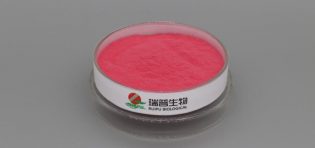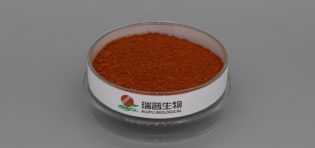
In the rapidly evolving landscape of nutritional manufacturing, formulators are constantly seeking reliable nutrient raw materials to meet consumer demands for fortified foods and dietary supplements. Ammonia Ferric Citrate has emerged as a widely recognized functional ingredient, particularly valued for its excellent water solubility and favorable bioavailability compared to other iron sources. This makes it especially relevant as plant-based diets grow in popularity, increasing the need for easily absorbed iron. However, integrating this compound into complex formulations can present notable complexities. B2B manufacturers often face significant hurdles, such as unwanted metallic aftertastes, undesirable color shifts in liquid matrices, and potential oxidative instability over the product shelf life. Overcoming these formulation challenges requires a strategic approach to help the final product maintain its sensory appeal and nutritional integrity.
The first essential tip is to optimize solubility and matrix compatibility, which is especially critical when working with beverage ingredients. While Ammonia Ferric Citrate is highly soluble, its interaction with other components like proteins, tannins, or certain vitamins can lead to precipitation or cloudiness. To address this, formulators should carefully adjust the pH level of the beverage base, typically keeping it slightly acidic to maintain optimal iron stability and clarity. For instance, when developing a fortified sports drink, a manufacturer might notice slight haziness if the iron is added directly to a high-protein whey base. By pre-dissolving the iron in a slightly acidic citrus juice concentrate before blending it into the main matrix, the formulator can prevent protein-iron cross-linking. This practical adjustment results in a visually appealing, clear beverage that meets consumer expectations without compromising the nutritional payload.
The second tip focuses on mastering flavor masking techniques, a vital step when utilizing health supplement raw materials in consumer-facing products. Iron compounds are known for imparting a distinct metallic or astringent aftertaste, which can severely impact consumer compliance and repeat purchases. Instead of simply overwhelming the formula with excessive sweeteners, product developers should employ targeted flavor masking agents and complementary flavor profiles. Dark berry, pomegranate, or tart cherry flavors naturally complement the slight astringency of iron, turning a potential flaw into a balanced taste profile. Consider a practical scenario where a company is formulating a daily iron-fortified gummy supplement. By incorporating a micro-encapsulated fruit flavor system alongside a touch of citric acid, the manufacturer can effectively neutralize the metallic notes. This delivers a pleasant, candy-like experience that encourages daily consumption while maintaining the active ingredient load.
| Strategy | Challenge | Solution | Ideal Application | Key Parameter |
|---|---|---|---|---|
| pH Adjustment | Protein precipitation | Pre-dissolve in acidic juice base | Fortified sports drinks | pH 3.5 to 4.5 |
| Flavor Pairing | Metallic aftertaste | Use dark berry or pomegranate profiles | Gummy supplements | Citric acid addition |
| Antioxidant Pairing | Lipid oxidation | Add rosemary extract or ascorbic acid | Nutritional bars | 12 to 18 month shelf life |
| Encapsulation | Taste sensitivity | Micro-encapsulated flavor systems | Liquid daily vitamins | Controlled release |
| Matrix Testing | Cross-linking risks | Run accelerated aging tests | All formulations | Stability verification |
The third tip involves ensuring long-term stability through proper antioxidant pairing and environmental control, which is essential for preserving the efficacy of functional ingredients. Iron can act as a pro-oxidant, meaning it might accelerate the oxidation of sensitive components like lipids, vitamins, and natural colorants within the formula, leading to rancidity or nutrient degradation. To mitigate this, it is highly recommended to pair Ammonia Ferric Citrate with robust antioxidant systems, such as ascorbic acid or tocopherols, depending on whether the matrix is aqueous or lipid-based. For example, in the production of a fortified nutritional bar containing nuts and seeds, the iron could catalyze the oxidation of the natural fats, resulting in an off-flavor over time. By integrating a rosemary extract antioxidant blend and utilizing moisture-barrier packaging, the manufacturer can significantly extend the shelf life. Accelerated aging tests can then confirm that the bar tastes fresh and retains its complete nutritional profile from the factory to the consumer pantry.
Implementing these targeted application solutions provides immense value to B2B clients by streamlining the research and development process and reducing costly trial-and-error phases. By proactively addressing solubility, taste, and stability, manufacturers can confidently expand their product portfolios, creating innovative, iron-fortified offerings that stand out in a competitive market. Ultimately, mastering the application of Ammonia Ferric Citrate empowers brands to deliver high-quality, sensory-pleasing nutritional products that align with modern consumer wellness goals. As the industry continues to prioritize both efficacy and user experience, leveraging these formulation strategies will remain a cornerstone of successful product development in the food, beverage, and supplement sectors.
Frequently Asked Questions
Why do formulators prefer Ammonia Ferric Citrate for plant-based drinks?
Plant-based diets are becoming incredibly popular, which means more people are looking for reliable ways to get their daily iron without relying on meat. Ammonia Ferric Citrate is a fantastic choice here because it dissolves easily in water and does not leave that gritty texture you sometimes get with other iron sources.
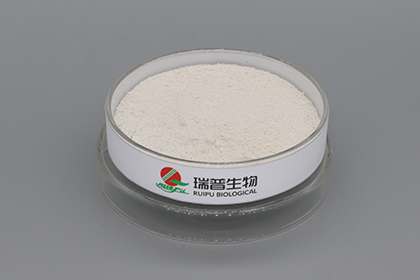
When you are working with things like oat milk or almond milk, keeping the liquid smooth and visually appealing is super important. This specific ingredient blends right in without causing unwanted cloudiness, making it a go-to functional ingredient for beverage manufacturers aiming for a clean label.
What is the best way to mask the metallic aftertaste of iron in supplements?
Dealing with that harsh metallic flavor is probably one of the biggest headaches when formulating iron supplements, but you can definitely fix it without just dumping in a ton of sugar. The trick is to use complementary flavor profiles like dark berry, pomegranate, or tart cherry, which naturally balance out the astringency.
You might also want to look into micro-encapsulated flavor systems or add a little bit of citric acid to brighten up the overall taste. By doing this, you turn a potentially unpleasant daily vitamin into something your customers actually look forward to taking every single morning.
Will adding Ammonia Ferric Citrate reduce the shelf life of my nutritional bars?
Iron can sometimes act as a pro-oxidant, which means it might speed up the oxidation of sensitive fats and vitamins in your recipe if you are not careful. This is especially true for nutritional bars that contain nuts, seeds, or other lipid-rich ingredients that can go rancid over time.
To prevent this from happening, you should always pair your iron source with a solid antioxidant system like ascorbic acid or natural rosemary extract. Taking this extra step and using proper moisture-barrier packaging will easily keep your product tasting fresh and nutritionally potent for 12 to 18 months on the shelf.
What is the ideal pH level for mixing this iron source into liquid beverages?
Getting the pH just right is absolutely crucial when you are trying to maintain the clarity and stability of a fortified liquid beverage. You generally want to keep the environment slightly acidic, usually hovering somewhere between 3.5 and 4.5, to prevent the iron from interacting negatively with proteins or other minerals.
If the pH gets too high, you might start noticing some annoying precipitation or a cloudy appearance that definitely will not look good on the store shelf. Pre-dissolving your iron in a mild citrus concentrate before blending it into the main batch is a great practical trick to keep everything perfectly smooth and stable.