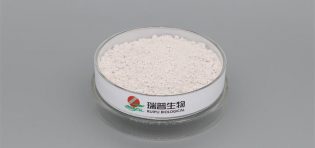
In the rapidly evolving landscape of the health and wellness sector, the demand for fortified products continues to surge across global markets. Manufacturers are constantly seeking high-quality nutrient raw materials to meet consumer expectations for daily immune support and overall vitality. Among the various mineral options, zinc gluconate has emerged as a highly preferred choice due to its favorable absorption profile and gentle nature on the digestive system. As brands strive to develop innovative functional beverages and liquid supplements, incorporating this essential mineral has become a strategic priority for product differentiation in a highly crowded marketplace.
However, formulators frequently encounter significant technical hurdles when integrating zinc gluconate into complex liquid systems. The most prominent issue is the pronounced metallic and astringent off-taste that zinc naturally imparts, which can easily overpower delicate flavor profiles in premium beverage ingredients. Additionally, when combined with certain functional ingredients like botanical extracts, polyphenols, or specific water-soluble vitamins, free zinc ions can trigger unwanted chemical interactions. These interactions often result in precipitation, flocculation, or an unappealing cloudy appearance in clear drinks, severely compromising the visual quality and shelf stability of the final product. Many development teams struggle to balance the nutritional payload with sensory acceptability, leading to compromised formulations, excessive use of artificial sweeteners, or entirely abandoned product concepts.
The secret to overcoming these formulation barriers lies in a specialized stabilization and flavor-masking technique that surprisingly remains underutilized in the broader industry. Instead of directly blending raw zinc gluconate powder into the main mixing vessel, the most effective application solutions involve a meticulous pre-hydration and complexation step. Formulators should first hydrate the zinc gluconate in a slightly warmed, acidic aqueous phase containing a specific ratio of natural chelating agents, such as citric acid combined with a precise amount of sodium citrate, to effectively buffer the free zinc ions. Following this initial phase, introducing a micro-dose of a specialized hydrocolloid, like low-acyl gellan gum or a specific pectin derivative, creates a protective colloidal network around the zinc molecules. This network effectively traps the metallic taste compounds and prevents the zinc ions from interacting with sensitive functional ingredients. For example, in a clear botanical tea beverage, this pre-complexation prevents the zinc from binding with tea tannins, thereby avoiding the formation of dark, insoluble complexes. Furthermore, pairing this stabilized zinc base with natural flavor modifiers, such as yuzu or passionfruit extracts, naturally masks any residual astringency without relying on heavy flavor overages.
| Application Type | Dosage Range | Primary Benefit | Main Challenge | Optimization Trick |
|---|---|---|---|---|
| Clear Functional Water | 10 - 15 mg | Immune Support | Metallic Off-taste | Acidic Pre-hydration |
| Daily Wellness Shot | 15 - 30 mg | High Bioavailability | Botanical Interaction | Hydrocolloid Network |
| Isotonic Sports Drink | 5 - 10 mg | Gentle Digestion | Visual Cloudiness | Citrate Buffering |
| Liquid Multivitamin | 10 - 20 mg | Overall Vitality | Sediment Formation | Chelating Agents |
Implementing this advanced technique provides immense practical value for manufacturers producing dietary supplement raw materials and fortified daily drinks. For clear functional waters and isotonic sports drinks, this method ensures the beverage remains visually pristine and completely free from sediment over its entire intended shelf life, which is critical for retail success. In the context of concentrated liquid dietary supplement raw materials, such as daily wellness shots, it allows for a much smoother, more palatable sensory experience, which is absolutely crucial for consumer compliance and repeat purchases. By adopting these refined application solutions, B2B clients can confidently scale up their production from pilot batches to full commercial runs without fearing batch inconsistencies or quality control failures related to mineral precipitation. This approach not only elevates the premium feel of the product but also streamlines the manufacturing process by reducing the need for excessive homogenization or chemical stabilizers.
Navigating the complexities of mineral fortification requires much more than just selecting the right nutrient raw materials; it demands a deep, practical understanding of ingredient interactions and processing techniques. By leveraging this targeted stabilization and masking strategy, manufacturers can successfully unlock the full potential of zinc gluconate in their beverage ingredients and supplement formulations. As the market continues to demand cleaner labels and superior sensory experiences, mastering these nuanced application solutions will serve as the key differentiator for forward-thinking brands. Ultimately, transforming a historically challenging functional ingredient into a seamless, high-quality consumer product is what drives sustainable, long-term success in the competitive nutrition industry.

Frequently Asked Questions
Why is zinc gluconate preferred over other zinc forms in liquid supplements?
Zinc gluconate is highly favored because it offers an excellent absorption rate and is much gentler on the stomach compared to other mineral forms. This makes it an ideal choice for daily wellness shots and functional beverages where consumer comfort is a top priority.
Additionally, its high bioavailability ensures that the body can effectively utilize the mineral for immune support and overall vitality without causing the digestive discomfort often associated with cheaper alternatives.
What is the main challenge when formulating clear beverages with zinc gluconate?
The biggest hurdle formulators face is the natural metallic and astringent off-taste that zinc imparts to the liquid, which can easily ruin delicate flavor profiles. Furthermore, free zinc ions can react with botanical extracts or vitamins, leading to unwanted precipitation or a cloudy appearance in clear drinks.
Overcoming these issues requires specialized stabilization techniques rather than just dumping the raw powder into the mixing tank. By using specific chelating agents and hydrocolloids, manufacturers can trap the metallic taste and prevent visual defects over the product's entire shelf life.
How does the pre-hydration trick improve the final beverage product?
Pre-hydrating the zinc gluconate in a slightly warmed, acidic phase with natural chelating agents creates a protective buffer around the free zinc ions. This crucial step prevents the mineral from binding with sensitive ingredients like tea tannins, which would otherwise cause dark and insoluble complexes to form.
Adding a micro-dose of specialized hydrocolloids during this phase builds a colloidal network that masks residual astringency and keeps the liquid visually pristine. This results in a much smoother sensory experience and ensures the beverage remains completely free from sediment during commercial distribution.