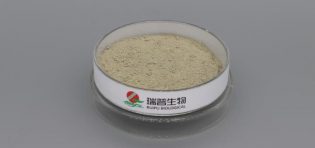
Despite its distinct advantages, formulators often face significant hurdles when working with traditional iron fortificants. Standard iron sources frequently cause undesirable sensory changes, such as a metallic aftertaste, lipid oxidation, or unwanted color shifts, especially in liquid matrices. When developing complex beverage ingredients or dietary formulations, these stability and sensory issues can severely impact consumer acceptance and overall shelf life. Therefore, overcoming these formulation barriers through precise technical knowledge is essential for creating commercially viable and appealing products.
The first crucial step in applying Ferric Sodium Edetate is optimizing pH levels and matrix compatibility. Unlike some traditional iron salts that precipitate or degrade in acidic conditions, this specific compound remains highly stable across a wide pH range, making it exceptionally suitable for acidic beverage ingredients like fruit juices, sports drinks, and carbonated waters. For instance, when formulating a vitamin C-enriched citrus beverage, maintaining a pH between 3.0 and 4.0 not only preserves the physical stability of the iron but also supports a favorable absorption profile. Formulators should always conduct preliminary stability trials at the target pH to ensure the iron remains fully soluble and does not interact negatively with the beverage base over its intended shelf life.
The second tip involves carefully managing interactions with other functional ingredients. In the realm of health supplement raw materials, products rarely contain just one active compound. Ferric Sodium Edetate has a unique chelated structure that protects the iron ion from binding with dietary inhibitors like phytates and tannins, which is a massive advantage over basic ferrous sulfate. However, formulators must still be cautious when combining it with high concentrations of certain competing minerals, such as calcium or zinc, which might affect the physical stability of the final matrix. A practical scenario involves developing a comprehensive multivitamin gummy or powder blend; in such cases, utilizing microencapsulation techniques or physical separation within a dual-chamber packaging design can prevent any potential cross-reactivity during storage, ensuring that all active components retain their intended efficacy.
The third tip focuses on implementing precision dosing and sensory masking techniques. While Ferric Sodium Edetate is known for causing fewer sensory issues than other iron sources, precision in dosing and proactive flavor management remain vital for premium application solutions. Overdosing can still lead to slight astringency or color darkening in light-colored liquid products. To mitigate this, manufacturers should calculate the exact elemental iron requirement based on regional dietary guidelines and use high-precision micro-dosing equipment during the mixing phase. For example, in a lightly flavored botanical water, pairing the iron with natural citrus or berry extracts can effectively mask any trace mineral notes, resulting in a clean, refreshing taste profile that appeals to health-conscious consumers without compromising the nutritional label.
| Formulation Attribute | Traditional Iron Salts | Ferric Sodium Edetate | Impact on Final Product |
|---|---|---|---|
| Taste Profile | Noticeable metallic aftertaste | Neutral and clean flavor | Significantly higher consumer acceptance |
| Color Stability | Frequent unwanted color shifts | Excellent color retention | Maintains original visual appeal |
| Lipid Oxidation | Highly promotes fat oxidation | Minimal oxidation risk | Extended overall product shelf life |
| Matrix Interaction | Binds with dietary inhibitors | Protected chelate structure | Consistent nutritional delivery |
Mastering these three formulation tips provides substantial value to B2B manufacturers by significantly reducing research and development trial-and-error cycles. By ensuring optimal stability and sensory performance, companies can confidently scale up their production of fortified foods, beverages, and dietary supplements. This technical proficiency not only enhances the overall quality and shelf life of the products but also strengthens brand reputation in a highly competitive market where consumer trust is heavily tied to product consistency, taste, and reliable nutritional delivery.
In conclusion, the successful application of Ferric Sodium Edetate hinges on a deep understanding of matrix compatibility, ingredient interactions, and precise sensory management. As the demand for effective and palatable nutritional products continues to grow, leveraging advanced application solutions and high-quality nutrient raw materials will remain a cornerstone of industry innovation. By adopting these strategic formulation practices, manufacturers can seamlessly integrate this highly effective iron source into their portfolios, delivering superior nutritional value and exceptional consumer experiences in every serving.

Frequently Asked Questions (FAQ)
Why do traditional iron sources cause problems in beverage formulations?
Traditional iron sources often lead to unwanted sensory changes like a metallic aftertaste or lipid oxidation. These issues are especially noticeable in liquid matrices where the iron interacts directly with water and other active ingredients.
Furthermore, these chemical reactions can cause unwanted color shifts that make the final product look unappealing to consumers. This is why finding a stable alternative is so crucial for maintaining both the taste and visual quality of your beverages.
How does Ferric Sodium Edetate improve the shelf life of fortified products?
Ferric Sodium Edetate has a unique chelated structure that protects the iron ion from reacting with other compounds in the matrix. This stability prevents the degradation of sensitive ingredients like vitamins and fats over time.
By minimizing these negative interactions, the compound helps maintain the original flavor profile and color of the product throughout its intended shelf life. This means your customers will experience the same high quality from the first day of production until the expiration date.
What are the main sensory challenges when adding iron to liquid dietary supplements?
The biggest challenge is usually the metallic aftertaste that many standard iron salts leave behind in liquid formulations. Consumers are highly sensitive to this specific flavor profile and will often reject products that taste like metal.
Another major issue is lipid oxidation, which can create off-flavors and rancid odors in products containing fats or oils. Overcoming these sensory hurdles requires careful selection of the iron source and precise formulation techniques to ensure a pleasant consumer experience.