The core issue the client faced revolves around the chemical reactivity of traditional iron salts. When formulating liquid products, manufacturers often rely on highly soluble iron sources like ferrous sulfate or ferrous gluconate. While these are cost-effective and easily absorbed, they are notorious for catalyzing lipid oxidation and interacting with polyphenols or vitamins in the matrix. The client explained that their previous prototypes suffered from a distinct metallic aftertaste, unwanted color shifts toward dark brown, and a shortened shelf life due to oxidative degradation. Furthermore, in the context of clear or lightly colored beverage ingredients, any precipitation or cloudiness caused by reactive minerals is entirely unacceptable. The client asked a pointed question during our meeting: is it genuinely possible to achieve high iron fortification in a sensitive liquid matrix without sacrificing the clean label and premium taste they had worked so hard to develop?
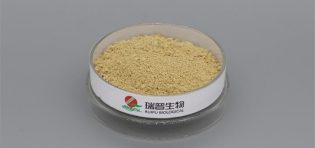
The answer that truly lit up the room was the strategic application of Ferric Phosphate. Unlike highly soluble iron salts, Ferric Phosphate is an insoluble, sensory-neutral compound that stands out among functional ingredients for its remarkable stability in aqueous environments. Because it does not readily dissociate into free iron ions in the liquid matrix, it completely bypasses the catalytic oxidation pathways that ruin flavor and color. We explained to the client that by utilizing a specialized micro-milling and suspension technique, we could reduce the particle size of the Ferric Phosphate to a microscopic level. These tailored application solutions ensure that the mineral remains evenly suspended in the beverage without settling at the bottom of the bottle, while also maintaining optimal bioavailability in the digestive tract. The client was particularly impressed by the fact that this approach allowed them to maintain a completely neutral pH and avoid the need for heavy masking agents.
Integrating this specific mineral into their formulation offered profound practical value across multiple product categories. For their beverage line, the Ferric Phosphate provided a seamless way to fortify plant-based milks, clear sports drinks, and functional waters without altering the original mouthfeel or appearance. The absence of metallic notes meant the natural fruit or botanical flavors could shine through authentically. Beyond liquid drinks, this same stabilized approach is highly relevant for supplement raw materials, particularly in chewable tablets, gummies, and powdered drink mixes where taste is a primary driver of consumer compliance. By choosing a stable iron source, manufacturers can confidently extend their shelf-life claims and reduce the overages typically required to compensate for nutrient degradation over time. This not only optimizes production costs but also ensures that the end consumer receives the exact nutritional profile stated on the label throughout the product's entire lifecycle.
| Iron Source | Solubility | Sensory Impact | Chemical Reactivity | Color Stability |
|---|---|---|---|---|
| Ferrous Sulfate | High | Strong metallic aftertaste | High (catalyzes lipid oxidation) | Poor (shifts to dark brown) |
| Ferrous Gluconate | High | Moderate metallic aftertaste | Moderate (interacts with polyphenols) | Moderate (slight darkening) |
| Ferric Phosphate | Insoluble | Sensory neutral (no off-taste) | Low (highly stable in matrix) | Excellent (maintains original color) |
The successful resolution of this client's formulation challenge underscores a broader trend in the nutritional ingredient sector. Modern B2B partnerships are no longer just about supplying bulk commodities; they are about co-creating tailored, science-backed strategies that address specific technical hurdles. As the industry continues to evolve, the demand for sophisticated, sensory-friendly components will only grow stronger. Ferric Phosphate stands out as a prime example of how selecting the right compound can transform a seemingly impossible formulation roadblock into a competitive market advantage. For brands looking to innovate in the functional food and beverage space, understanding the nuanced chemistry of mineral fortification is the key to delivering products that truly resonate with today's discerning consumers. Ultimately, providing the right technical guidance empowers manufacturers to push the boundaries of product development while maintaining the highest standards of quality and taste. By prioritizing both nutritional efficacy and sensory excellence, companies can secure a lasting foothold in an increasingly competitive global market.
Frequently Asked Questions
Why do traditional iron salts cause problems in liquid beverages?
When you use highly soluble iron sources like ferrous sulfate in liquid drinks, they tend to dissociate into free ions very quickly. These free ions are highly reactive and will easily catalyze lipid oxidation or interact with sensitive ingredients like polyphenols and vitamins in your formula.
This chemical reactivity is exactly what leads to those unwanted dark color shifts and a really harsh metallic aftertaste that consumers absolutely hate. It also significantly shortens the shelf life of your beverage because the oxidative degradation breaks down the overall nutritional profile over time.
How does Ferric Phosphate solve the metallic aftertaste issue?
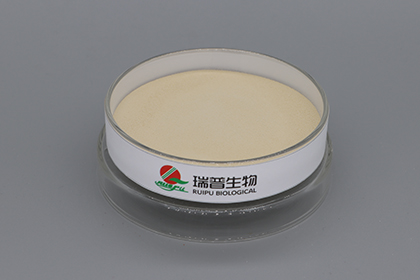
Ferric Phosphate is an insoluble compound, which means it does not readily release free iron ions into the aqueous environment of your beverage matrix. Because the iron stays locked within the stable phosphate structure, it completely bypasses the catalytic pathways that normally ruin the flavor and aroma of the drink.
This sensory neutrality allows the natural botanical or fruit flavors in your formulation to shine through without any interference from metallic notes. You can confidently fortify clear sports drinks or delicate plant-based milks while maintaining a perfectly clean and refreshing taste profile from the first sip to the last.
Will insoluble iron settle at the bottom of the bottle over time?
That is a very common concern when working with insoluble minerals, but we solve this by using specialized micro-milling techniques to reduce the particle size to a microscopic level. These extremely fine particles are then integrated using tailored suspension strategies that keep them evenly distributed throughout the liquid.
As long as you follow the recommended application guidelines and use the appropriate stabilizing agents for your specific beverage viscosity, the mineral will remain perfectly suspended. This ensures that the consumer gets a consistent dose of iron in every single serving without having to shake the bottle vigorously before drinking.
Is Ferric Phosphate suitable for dietary supplements like gummies or chewables?
It is actually one of the best choices for chewable tablets and gummies because taste and mouthfeel are the primary drivers of consumer compliance in those formats. Since it lacks that harsh metallic bite, formulators do not need to overload the recipe with heavy masking agents or excessive sugars to hide the flavor.
Furthermore, its excellent stability means you can avoid the massive nutrient overages that are usually required to compensate for degradation during the manufacturing and storage process. This helps you optimize your production costs while ensuring the final product reliably delivers between 10 and 20 milligrams of iron per serving throughout its entire shelf life.