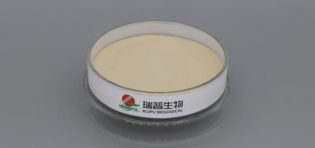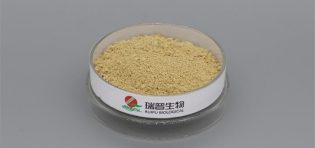
The modern food and beverage industry is witnessing a steady increase in consumer demand for fortified products, driving manufacturers to seek high-quality nutrient raw materials. Among these, Zinc Gluconate stands out as a highly preferred option for fortifying both beverage ingredients and supplement raw materials due to its favorable absorption profile and lower gastrointestinal irritation compared to inorganic zinc salts. However, product developers frequently encounter formulation hurdles when integrating these functional ingredients into complex matrices. Common challenges include the development of an undesirable metallic aftertaste, precipitation in liquid environments, and unwanted chemical interactions with other active compounds. Overcoming these obstacles requires a strategic approach to formulation rather than simply blending components together.
The first essential tip for successfully applying Zinc Gluconate is to carefully optimize the pH and buffer systems within your liquid formulations. Zinc salts can be highly sensitive to pH fluctuations, which often leads to precipitation or cloudiness in clear beverages, ultimately compromising the visual appeal and shelf stability of the final product. To address this, formulators should maintain the product pH within a slightly acidic range, typically between 3.5 and 4.5, and utilize appropriate buffering agents like citrates to stabilize the mineral in the solution. For instance, when developing a clear, vitamin-enhanced water product, a beverage manufacturing team might notice zinc precipitation after a few weeks on the shelf. By adjusting the citric acid and sodium citrate ratio to create a robust buffer system, they can keep the Zinc Gluconate fully dissolved, ensuring a crystal-clear appearance throughout the product's intended shelf life.
The second crucial strategy involves implementing advanced taste-masking techniques to neutralize the inherent metallic notes of zinc. Even though Zinc Gluconate is milder than zinc sulfate, it can still impart a distinct astringency that alters the delicate flavor profiles of functional beverages and chewable supplements. Rather than simply overpowering the base formula with excessive sweeteners, developers should employ specific flavor modulators and complementary flavor profiles. Citrus, berry, and tropical fruit flavors naturally pair well with zinc because their inherent tartness and complex aromatic compounds effectively mask metallic sensations. Consider a scenario where a brand is formulating a daily wellness botanical shot. By incorporating a natural citrus flavor system alongside a touch of stevia and a specialized taste-masking agent, the research and development team can completely hide the mineral taste, resulting in a smooth, highly palatable delivery system that consumers actually enjoy drinking.
| Formulation Challenge | Recommended Strategy | Key Parameters and Actions | Target Product Example |
|---|---|---|---|
| Precipitation and Cloudiness | Optimize pH and Buffer Systems | Maintain pH between 3.5 and 4.5 using citrate buffers | Clear vitamin-enhanced water |
| Metallic Aftertaste | Implement Taste-Masking Techniques | Utilize citrus or berry flavors alongside natural modulators | Daily wellness botanical shots |
| Ingredient Interactions | Manage Addition Sequence | Introduce zinc during final cooling or use microencapsulation | High-protein nutritional shakes |
The third tip focuses on managing ingredient interactions, particularly when combining Zinc Gluconate with other active compounds in complex application solutions. Minerals can readily bind with phytates, certain proteins, and high concentrations of calcium or iron, which may reduce the overall bioavailability and stability of the formulation. To prevent this, it is vital to sequence the addition of ingredients properly during the manufacturing process and consider the use of chelating agents or physical separation techniques in multi-phase products. For example, in the production of a high-protein nutritional shake utilizing various supplement raw materials, adding zinc directly to the raw protein slurry might cause cross-linking and a gritty texture. By introducing the Zinc Gluconate during the final cooling and flavoring stage, or by microencapsulating the mineral beforehand, manufacturers can preserve the smooth mouthfeel of the shake while ensuring the nutritional integrity of the final product.
Mastering these three formulation tips provides immense application value for business-to-business manufacturers looking to elevate their product portfolios. By ensuring physical stability, optimizing sensory attributes, and preserving nutritional efficacy, companies can confidently launch premium products that meet rigorous market standards and consumer expectations. The strategic use of high-quality nutrient raw materials not only enhances the functional appeal of beverages and dietary supplements but also minimizes costly reformulation cycles and production delays. Ultimately, the successful integration of Zinc Gluconate relies on a deep understanding of food chemistry and thoughtful formulation design. As the industry continues to evolve, manufacturers who prioritize these technical nuances and collaborate with experienced suppliers will be well positioned to deliver innovative, effective, and consumer-friendly nutritional products to the global market.
Frequently Asked Questions (FAQ)
Why do formulators prefer Zinc Gluconate over other types of zinc for beverages and supplements?
Many product developers choose this specific mineral source because it offers a much gentler experience for the digestive system compared to inorganic options like zinc sulfate. When you are creating daily wellness shots or functional drinks, you want to ensure your consumers do not experience any uncomfortable stomach upset after drinking them.
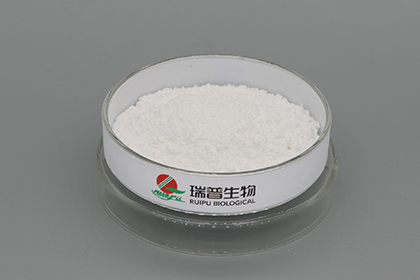
Another major advantage is its excellent bioavailability, which means the body can absorb and utilize the nutrient much more efficiently. This makes it an incredibly reliable choice for brands looking to deliver genuine nutritional value in their beverage ingredients without compromising on consumer comfort or product quality.
What is the best way to stop Zinc Gluconate from causing cloudiness or precipitation in clear liquid drinks?
The most effective strategy is to carefully control the pH levels and use a robust buffering system within your liquid matrix. You generally want to keep the pH somewhere between 3.5 and 4.5 while utilizing buffering agents like citrates to keep the mineral completely dissolved and stable over time.
If you just dump the raw powder into plain water without adjusting the acidity, you will almost certainly see cloudy particles forming after a few weeks on the shelf. Taking the time to balance your citric acid and sodium citrate ratios ensures your final beverage maintains that crystal-clear appearance that consumers expect from premium hydration products.
How can I hide the metallic aftertaste of zinc when formulating chewable supplements or fruity drinks?
Masking that distinct astringent flavor requires a smart approach to your flavor profile rather than just piling on extra sugar or artificial sweeteners. Citrus, berry, and tropical fruit profiles work exceptionally well because their natural tartness and complex aromatic compounds naturally distract the palate from any metallic sensations.
You can also incorporate specialized natural flavor modulators that specifically target and neutralize the harsh notes on the tongue. By combining a bright natural lemon or mixed berry flavor system with these modulators, your research and development team can create a remarkably smooth and enjoyable tasting experience that keeps customers coming back for their daily dose.
Why does adding zinc to high-protein nutritional shakes sometimes cause a gritty texture, and how do I fix it?
This gritty issue usually happens because active minerals readily bind with the proteins or other compounds in the slurry, causing unwanted cross-linking during the blending process. When these chemical interactions occur early in production, they can completely ruin the smooth mouthfeel that people expect from a premium protein shake.
To avoid this textural nightmare, you should sequence your ingredient additions carefully by introducing the zinc during the final cooling and flavoring stages of manufacturing. Alternatively, you might look into microencapsulating the mineral beforehand, which physically separates it from the proteins until the product is actually consumed and digested.