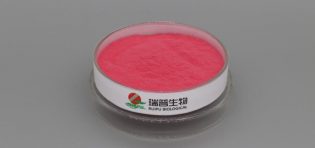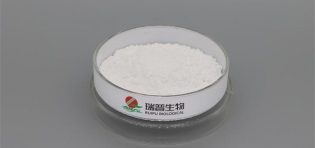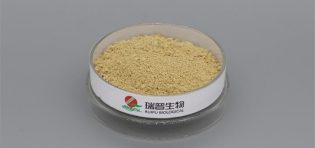
The global market for fortified foods and dietary supplements continues to expand rapidly, driving B2B manufacturers to seek optimal nutritional fortification strategies. Iron deficiency remains a widespread public health concern, prompting food scientists and product developers to carefully select appropriate iron sources for their formulations. Among the most widely discussed and utilized options in the industry are Ammonia Ferric Citrate and traditional ferrous sulfate. As manufacturers develop new product lines to meet growing consumer demand for functional nutrition, understanding the distinct chemical and physical characteristics of these nutrient raw materials is absolutely essential for creating successful, stable, and consumer-friendly products.
Formulators frequently encounter significant technical hurdles when integrating iron into complex food and beverage matrices. The primary challenge with traditional ferrous sulfate is its high chemical reactivity, which can severely compromise product quality. In liquid applications, ferrous sulfate can catalyze the oxidation of sensitive vitamins and lipids through Fenton-like reactions, leading to rancidity, undesirable color changes, and an unpleasant metallic aftertaste. For example, a beverage company attempting to fortify a delicate fruit juice with ferrous sulfate might find that the iron rapidly degrades the added vitamin C and turns the juice an unappetizing brown color. Furthermore, when used in health supplement raw materials, high doses of ferrous sulfate are frequently associated with gastrointestinal discomfort and nausea, which can negatively impact daily consumer compliance and overall brand loyalty. These sensory and stability issues often force product developers to compromise on the final quality, flavor, or shelf life of their fortified goods.
To address these complex formulation challenges, industry experts increasingly evaluate Ammonia Ferric Citrate as a highly stable and versatile alternative. Unlike the highly reactive ferrous sulfate, Ammonia Ferric Citrate is a ferric iron source complexed with citrate, which exhibits remarkable stability in aqueous and oxygen-rich environments. This chemical stability means it does not readily promote the oxidation of other sensitive functional ingredients within the formula. For instance, when formulating a vitamin-fortified sports drink or a plant-based milk alternative, using Ammonia Ferric Citrate prevents the degradation of added ascorbic acid and maintains the beverage's intended flavor profile without introducing a harsh metallic note. While ferrous sulfate might offer a slight edge in raw bioavailability under strict fasting conditions, the practical bioavailability of Ammonia Ferric Citrate in a mixed meal or complex beverage matrix is highly competitive, especially since the citrate ligand naturally enhances intestinal absorption.
| Property | Ammonia Ferric Citrate | Ferrous Sulfate | Formulation Impact |
|---|---|---|---|
| Oxidation State | Ferric (Fe3+) | Ferrous (Fe2+) | Determines overall chemical reactivity |
| Chemical Stability | High | Low | Directly affects product shelf life |
| Taste Profile | Neutral and mild | Strong metallic | Influences final sensory quality |
| Color Impact | Minimal | High browning risk | Crucial for clear liquid beverages |
| Ideal Matrix | Beverages and gummies | Dry tablets and capsules | Guides final product selection |
The strategic choice between these two compounds heavily depends on the specific application solutions required by the final product format and target demographic. For clear beverage ingredients, such as enhanced waters, acidic fruit juices, or functional energy shots, Ammonia Ferric Citrate is often the preferred choice because it minimizes precipitation and prevents the formation of dark, unappealing complexes with naturally occurring polyphenols. Imagine a manufacturer developing a clear, botanical-infused hydration drink; utilizing this stable iron source ensures the liquid remains visually appealing, crisp, and flavorful over a twelve-month shelf life. Additionally, in the rapidly growing gummy supplement sector, the low moisture sensitivity and mild taste of Ammonia Ferric Citrate make it an excellent candidate for maintaining the chewy texture and fruity flavor profiles that consumers expect. Conversely, ferrous sulfate might still be effectively utilized in dry, solid-dosage applications like basic multivitamin tablets or hard capsules, where moisture is strictly controlled and the tablet is film-coated to mask any potential taste issues. By selecting the right iron source, brands can optimize both the nutritional profile and the sensory experience, ensuring that their formulations deliver value without alienating the consumer.
Ultimately, asking which iron source is inherently better does not yield a single universal answer, as the optimal choice is strictly dictated by the specific product matrix, processing conditions, and target consumer experience. Ammonia Ferric Citrate undoubtedly shines in liquid, gummy, and sensitive formulations where long-term stability, taste neutrality, and visual appeal are paramount. Meanwhile, ferrous sulfate remains a cost-effective option for specific dry applications where reactivity can be physically isolated. Collaborating closely with experienced raw material suppliers can further help formulators navigate these nuances, ensuring that the selected iron compound aligns perfectly with both manufacturing capabilities and consumer expectations. By thoroughly understanding the behavioral differences of these compounds, B2B manufacturers and R&D teams can make informed, strategic decisions that elevate the quality, efficacy, and market success of their fortified foods and dietary supplements.
Is Ammonia Ferric Citrate absorbed as well as ferrous sulfate in the human body?
Many formulators worry that ferric iron sources might not be absorbed as efficiently as traditional ferrous options, but the reality is a bit more nuanced. While ferrous sulfate is often considered the gold standard for raw bioavailability under strict fasting conditions, Ammonia Ferric Citrate performs exceptionally well when consumed with food or in complex beverage matrices.
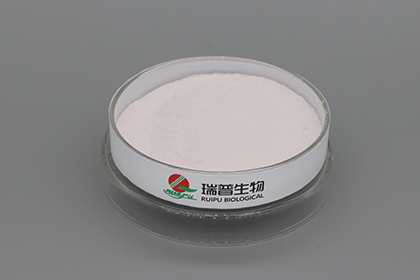
The citrate ligand actually plays a fantastic role in enhancing intestinal absorption, making the practical bioavailability highly competitive in real-world scenarios. This means your consumers can still get the nutritional benefits they need without the harsh gastrointestinal side effects often associated with high doses of reactive ferrous salts.
How do these two iron sources affect the taste and color of my beverage formulations?
Taste and visual appeal are absolutely critical when you are developing clear beverages, functional waters, or delicate fruit juices. Ferrous sulfate is highly reactive and can easily catalyze oxidation, which often leads to an unpleasant metallic aftertaste and turns your beautiful clear liquid into an unappetizing brown color over time.
On the flip side, Ammonia Ferric Citrate is remarkably stable in aqueous and oxygen-rich environments, meaning it will not degrade sensitive vitamins or react with natural polyphenols. By choosing this stable ferric source, you can maintain a crisp flavor profile and keep your beverage visually appealing throughout its entire shelf life of 12 to 18 months.
Which iron compound should I choose for gummy supplements versus traditional tablets?
The ideal choice really depends on the specific physical format and moisture content of your final product. For gummy supplements, where moisture sensitivity and flavor masking are major challenges, Ammonia Ferric Citrate is generally the superior option because its mild taste and low reactivity help preserve the chewy texture and fruity flavors consumers love.
However, if you are manufacturing dry, solid-dosage applications like basic multivitamin tablets or hard capsules, ferrous sulfate can still be a very cost-effective and viable choice. In these dry environments, moisture is strictly controlled and the tablet can be easily film-coated to hide any potential taste issues, allowing you to optimize your production costs without sacrificing quality.
Will using ferrous sulfate shorten the shelf life of my fortified food products?
It certainly can, especially if your formulation contains sensitive ingredients like vitamin C, omega fatty acids, or delicate botanical extracts. Because ferrous sulfate is highly reactive, it can trigger Fenton-like reactions that accelerate the oxidation of these sensitive compounds, ultimately leading to rancidity, nutrient degradation, and a significantly shortened shelf life.
Switching to a more stable alternative like Ammonia Ferric Citrate helps prevent these destructive oxidative reactions from occurring in the first place. This enhanced chemical stability ensures that your functional ingredients remain potent and your product maintains its intended sensory qualities right up to the expiration date printed on the packaging.