In the rapidly evolving landscape of nutritional product development, formulators are constantly tested on their ability to balance health benefits with sensory appeal. When it comes to mineral fortification, iron remains one of the most critical yet challenging nutrients to incorporate. As consumer demand for functional foods and dietary supplements continues to rise, manufacturers are under immense pressure to deliver products that support daily nutritional needs without compromising on taste or stability. This is where selecting the right nutrient raw materials becomes a high-stakes quiz for research and development teams. The market is flooded with various functional ingredients, but finding an iron source that seamlessly integrates into complex matrices requires a deep understanding of both chemistry and consumer preferences.
The core issue with traditional iron fortification lies in the high reactivity of common iron salts. When formulators use highly soluble sources like ferrous sulfate, they often encounter significant technical hurdles. In liquid applications, these reactive iron ions can catalyze the oxidation of sensitive vitamins through Fenton-type reactions, leading to rapid nutrient degradation and off-flavors. Furthermore, they can cause undesirable color changes and impart a strong, unpleasant metallic aftertaste, which is a major dealbreaker for consumers. For product developers working with beverage ingredients, maintaining a clean flavor profile and visual clarity is paramount. Similarly, in the realm of health supplement raw materials, gastrointestinal discomfort associated with highly soluble iron salts can lead to poor consumer compliance. Therefore, the industry has been searching for an iron source that bypasses these sensory and stability issues while still providing meaningful nutritional value.
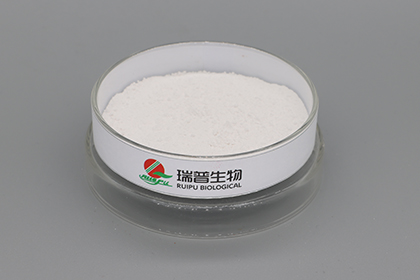
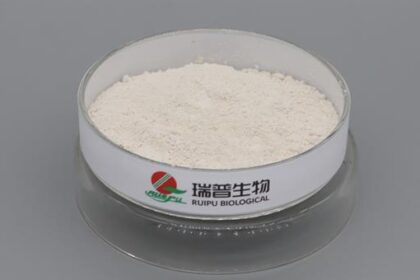
Ferric Pyrophosphate emerges as a highly effective answer to this formulation quiz. Unlike its highly soluble counterparts, Ferric Pyrophosphate is characterized by its low solubility in water and high stability across a wide pH range. This unique chemical profile means it does not readily release free iron ions during the manufacturing and shelf-life stages of a product. Consequently, it does not promote the oxidation of lipids or vitamins, nor does it interact with other sensitive components in the formulation. To address the potential concern of bioavailability, modern processing techniques such as microencapsulation and particle size reduction have been developed. By reducing the particle size to the micron or sub-micron level, manufacturers can significantly enhance the surface area, allowing for better dissolution in the acidic environment of the stomach. This ensures that the iron is effectively absorbed in the duodenum, providing a highly bioavailable source of iron without the typical drawbacks of traditional salts.
| Iron Source | Solubility | Taste Impact | Stability | Best Application |
|---|---|---|---|---|
| Ferrous Sulfate | High | Strong metallic | Low | Dry cereals |
| Ferrous Gluconate | High | Moderate metallic | Moderate | Liquid supplements |
| Ferric Pyrophosphate | Low | Neutral | High | Plant-based milks |
| Microencapsulated Ferric Pyrophosphate | Very Low | Completely neutral | Very High | Clear beverages |
| Ferrous Fumarate | Moderate | Slight metallic | Moderate | Chewable tablets |
| Elemental Iron | Very Low | Chalky | High | Powdered shakes |
The practical benefits of using Ferric Pyrophosphate translate into highly versatile application solutions for B2B clients across multiple sectors. Consider the development of plant-based milk alternatives, a category that has seen explosive growth. Fortifying these beverages with iron is crucial for matching the nutritional profile of dairy milk, but traditional iron sources often cause the plant proteins to precipitate or develop a chalky, metallic taste. Ferric Pyrophosphate, due to its inert nature in neutral pH liquids, keeps the plant-based milk smooth, stable, and great-tasting. Another excellent scenario is the formulation of clear, acidic sports drinks or vitamin waters. While many iron sources would cause cloudiness or degrade the added vitamin C, microencapsulated Ferric Pyrophosphate can be suspended uniformly, maintaining the crystal-clear appearance and refreshing flavor. Additionally, in dry powdered nutritional shakes and meal replacement blends, moisture control is critical. Highly hygroscopic iron salts can cause the powder to clump and degrade over time, whereas Ferric Pyrophosphate remains free-flowing and stable, ensuring the powdered beverage ingredients maintain their physical integrity and ease of reconstitution. In the dietary supplement space, it is an excellent choice for chewable tablets and gummies, where masking the taste of minerals is notoriously difficult, allowing manufacturers to create highly palatable products.
Ultimately, passing the formulation quiz requires more than just picking an ingredient off a spec sheet; it demands a strategic approach to product design. Ferric Pyrophosphate has proven its worth by offering a rare combination of sensory neutrality, chemical stability, and reliable nutritional delivery. As the food, beverage, and supplement industries continue to push the boundaries of functional nutrition, having access to advanced nutrient raw materials and tailored application solutions will be the key differentiator for successful brands. By leveraging this exceptional functional ingredient, manufacturers can confidently develop next-generation products that meet rigorous quality standards and exceed consumer expectations, ensuring that when it comes to iron fortification, their formulations consistently deliver outstanding results.
Frequently Asked Questions
Why is iron fortification so challenging for beverage and supplement formulators?
Iron is a highly reactive mineral that can easily cause unwanted chemical reactions in food and beverage matrices. When formulators use traditional iron salts, they often face issues like metallic aftertastes, color changes, and the degradation of other sensitive nutrients like vitamins.
This reactivity makes it incredibly difficult to maintain the clean flavor profile and visual appeal that modern consumers expect. Finding a way to deliver essential nutritional benefits without ruining the sensory experience has always been a major hurdle in product development.
How does Ferric Pyrophosphate solve the common taste and stability issues?
Ferric Pyrophosphate is highly insoluble in water and remains chemically stable across a wide range of pH levels. Because it does not readily release free iron ions during manufacturing or shelf life, it prevents the oxidation of lipids and vitamins while completely avoiding that unpleasant metallic taste.
This unique stability allows it to blend seamlessly into complex formulations without altering the color or flavor of the final product. It essentially acts as a silent nutritional booster that keeps your beverage or supplement tasting exactly the way you designed it.
Is Ferric Pyrophosphate easily absorbed by the body despite its low solubility?
While it is true that Ferric Pyrophosphate has low water solubility, modern manufacturing techniques have effectively addressed this potential bioavailability concern. By using processes like microencapsulation and reducing the particle size to the micron level, the surface area is significantly increased.
This enhanced surface area allows the iron to dissolve efficiently in the acidic environment of the stomach. Once dissolved, it is readily absorbed in the digestive tract, ensuring that your body gets the nutritional benefits without the gastrointestinal discomfort often associated with highly soluble iron salts.